
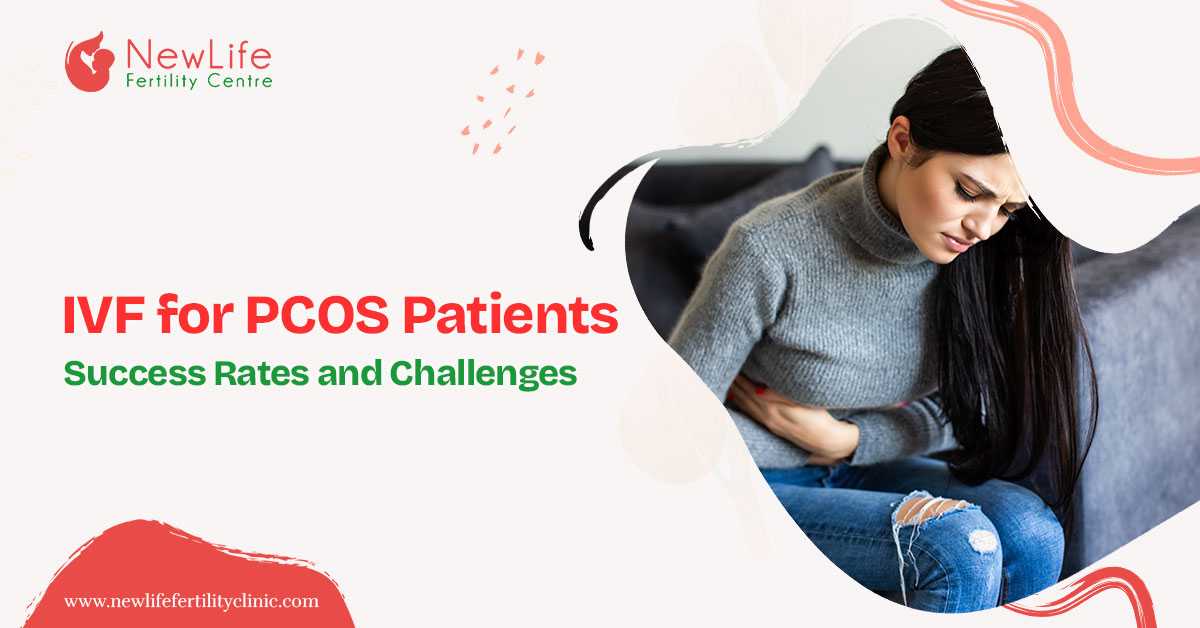
One of the most common conditions related to women's reproductive health, PCOS (Polycystic Ovarian Syndrome), is a significant cause that can create challenges in pregnancy. When you are dealing with the inability to conceive, it can be an emotionally and physically challenging situation on the path to becoming parents.
PCOS can affect women at any age throughout their reproductive years, creating difficulties in pregnancy. IVF or In Vitro Fertilisation is one of the most significant treatments for women's challenges in conception due to PCOS. You can be diagnosed with PCOS due to many reasons, such as hormonal disorders, genetic conditions and poor lifestyle habits, which need to be managed with expert guidance.
Though PCOS is a common condition in women, it creates fertility issues requiring treatments like IVF, an alternative for conception. However, the success rate of this procedure varies depending on the severity of the condition, age and egg quality of the female. Due to various advancements in ART (Assisted Reproductive Technology), there are several infertility treatments available for women with PCOS.
Let’s Understand Polycystic Ovarian Syndrome or PCOS
If you are struggling to conceive, PCOS might be the reason affecting your hormones and reproductive health. This condition involves abnormal production of hormones called androgens and affects ovulation. Due to the formation of several follicle cysts, which are filled with fluid in the ovaries, Polycystic Ovarian Syndrome develops, which is a metabolic disorder that causes hormonal disorders, menstrual abnormalities, and anovulation or lack of ovulation.

It results in obstruction in getting pregnant, reducing the release of eggs required for fertilisation. PCOS is diagnosed with a combination of medical presentation, blood tests and ultrasound to examine pelvic organs. However, it has some significant symptoms such as:
- Irregular or Missed Menstrual Cycle: A major symptom of PCOS is absent or abnormal menstruation. If you have PCOS, you can notice significant disorders in your period, such as heavy bleeding during periods, severe cramps, not having monthly periods at all, and a delay in the due date due to a hormonal disorder caused by the condition. You can consider visiting an IVF centre in Siliguri or near you to address the fertility challenges due to this condition
- Excessive Hair Growth: You can notice increased facial hair growth or heavy hair on arms, chest, chin, upper lip, chest and abdomen, which is also known as hirsutism. This is one of the visible signs of PCOS affecting most of the people diagnosed with this condition.
- Acnes: Another visible symptom of Polycystic Ovarian Syndrome is acne, especially on the back, chest and face. These acnes can be hard to treat and persist into the teenage years. This condition can cause oily skin, making it more prone to acne, leading to acne growth on the face.
- Unusual Weight Gain or Obesity: Most of the women suffering from PCOS are overweight and face difficulties in managing a healthy weight. PCOS can cause you to gain weight, unusually leading to obesity.
- Hair Thinning: Losing hair is another symptom of PCOS, leading to hair thinning and the start to bald.
- Cysts: PCOS involve multiple cysts in the ovaries, making them appear larger than usual when examined through pelvic ultrasound. This is due to the ovaries forming many follicles filled with sac cysts.
-
Absence of Pregnancy: PCOS can pose a risk to pregnancy by producing more male hormones. It affects the hormones required for a balanced reproductive health, such as estrogen and progesterone, causing difficulty in conception. In addition, PCOS is one of the crucial reasons most women suffer from infertility challenges.
Getting an Insight into IVF Treatment with PCOS
If you are unable to conceive naturally due to PCOS (Polycystic Ovarian Syndrome), then IVF is the ideal option for pregnancy. IVF not only treat fertility challenges due to PCOS but also resolves other causes of infertility, such as uterine polyps, endometriosis, cancer treatment affecting ovulation, advanced maternal age, and even male factors.
However, the success rate of IVF with PCOS is high when doctors in the best IVF clinics treat this condition to ensure the best result. Lifestyle changes such as a balanced diet, regular physical activities, stress management, and regulating insulin are recommended to manage PCOS. Often doctors provide medications aiming to treat hormonal imbalance caused by PCOS, and sometimes they perform surgeries with Laparoscopic Ovarian Drilling, a minimally invasive procedure to remove the cysts causing infertility.
Success Rate of IVF with PCOS:
-
Ovarian Stimulation: Infertility due to PCOS is treated with an IVF procedure, which initially uses hormonal injections to stimulate the ovaries to release multiple eggs. These stimulators are given when other treatments for PCOS fail to address the condition.
-
Egg Retrieval: Once ovulations begin, the patient needs to visit the IVF clinic where experts retrieve the eggs with a thin needle inserted into the vagina. This procedure is performed with higher precision to avoid the loss of follicles produced by stimuli, increasing the higher success rate of the treatment.
- Fertilisation: In a controlled laboratory environment, the collected egg is fertilised with sperm and is continuously monitored during its blastocyst stage for about 5-6 days until it becomes an embryo.
-
Embryo Implantation: After being monitored, the healthy embryos are selected to ensure the best result of IVF. Often this is supported by PGT (Preimplantation Genetic Testing), where the embryo is checked to detect any genetic or chromosomal abnormalities before transferring it into the uterus to achieve a healthy pregnancy.
Challenges of IVF with PCOS
- OHSS (Ovarian Hyperstimulation Syndrome): Women with Polycystic Ovarian Syndrome are usually at higher risk of OHSS, which involves over response of the ovaries to the stimulation given at the beginning of IVF. It can cause swelling and leak fluid due to over response of the ovaries, causing severe complications. The IVF specialists incorporate some protocols to manage this risk that can affect the treatment.
- Selecting Quality Eggs and Embryos: When multiple eggs are collected for fertilisation, their quality and development can be a concern, especially during blastocyte stage. PCOS can affect the formation of a healthy embryo during fertilisation in the lab before embryo transfer. However, with modern technologies, this challenge can be addressed.
- Hormonal and Metabolic Troubles: Due to PCOS, the level of androgen, the male hormone, rises in women, and it also causes insulin resistance, which can significantly impact the IVF treatment and its result.
- Lifestyle and Weight: PCOS often results from significant lifestyle habits, such as an unhealthy diet, lack of physical activity, poor sleep, eating excessive trans-fats and sugary drinks, smoking, drinking and increased stress level which can lead to unhealthy weight gain. These things can majorly interfere with the IVF outcome. Maintaining a healthy lifestyle and weight are crucial to support the results of the treatment when diagnosed with PCOS.
-
High Risk Pregnancy: Women with PCOS, undergoing an IVF procedure, can develop risks in pregnancy such as mitigated vitamin, GnRH agonist triggers and dopamine agonists. Additionally, the hypertensive disorder in pregnancy is a potential risk that can result from PCOS, affecting the outcomes of infertility treatments like IVF. However, with careful monitoring, these risks can be managed.
