
Understanding the differences between good-quality and bad-quality eggs is crucial for couples trying to conceive. The quality of ovarian eggs determines the likelihood of a healthy pregnancy. Many women struggle to understand the signs of bad-quality eggs. While egg quality declines naturally with age, identifying the early signs will help in making an informed decision. Consult with an expert IVF doctor in Siliguri to address the fertility issues on time. The quality of eggs also determines the possibility of conceiving during the process of infertility treatment, including IVF.
Poor egg quality refers to the reduced ability of the eggs to fertilise or develop into healthy embryos. The success rate of infertility treatments largely depends on the quality of eggs that have genetic integrity and developmental potential. Many couples fail to uncover the reason for failed pregnancies, repeated miscarriages and unknown delay in conceiving that can result from the quality of eggs. Women need to recognise the early signs of poor egg quality for successful conception and fertility treatments.
Lifestyle Factors That Affect The Quality of Eggs
When understanding the signs of poor egg quality, it becomes inevitable to know the lifestyle habits that affect the quality of eggs. There are essential effects of daily life choices on reproductive health. Your choice of living, such as nutrition, doing physical activities, and exposure to poisons, can affect both negatively and positively on your fertility results. The major lifestyle choices that impact the quality of ovarian eggs include :
.jpg)
1. Smoking: Smoking causes harm to DNA in the eggs and accelerates the menopause of the ovary. Being exposed to tobacco and smoking for a long period can lower the level of Anti-Mullerian Hormone, essential for the quality of eggs. It causes early menopause. Smoking worsens the quality of eggs in such a way that it can be obstructive to your pregnancy.
.jpg)
2. Consuming Alcohol: Another harmful cause of poor-quality eggs is overconsumption of alcohol. It affects the hormone regulation and disrupts the ovarian action. For both male and female reproductive health, alcohol consumption has negative impacts, causing failed pregnancies.
.jpg)
3. Poor Diet: Nutrition plays a significant role in the quality of eggs and overall reproductive health. Having foods rich in trans fat, ultraprocessed, high in sugar, additives and preservatives potentially influences hormonal balance. Eventually, poor nutrition leads to oxidative stress and damages egg quality.
.jpg)
4. Chronic Stress: Maintaining overall health is a crucial factor in managing stress. Chronic stress increases the level of cortisol in the body, causing significant harm to reproductive health. High levels of stress hormones interrupt the reproductive cycle and affect the quality of ovulation.
.jpg)
5. Insufficient Sleep: Lack of sleep can be a top factor in your reproductive health. Poor sleep cycle or lack of sleep can largely impact the hormonal processes and decrease the reproductive functionality in the long term. Improper sleep influences the quality of eggs.
.jpg)
6. High Caffeine: Excessive caffeine causes harm to reproductive health. High intake of caffeine results in hormonal disruption. Reduced uterine blood flow and increased miscarriage risk. It causes low fertility and possibly impacts egg development at high levels.
.jpg)
7. Overweight or Underweight: In reproductive health, both being overweight and underweight play a crucial role. Being obese pr gaining weight unhealthily or sudden extreme weight loss impacts the hormonal balance and ovulation. It is important to maintain a normal and balanced weight for a healthy pregnancy.
8. Lack of Exercise: Not being physically active and doing little or no exercise reduces the blood flow in the body. A sedentary lifestyle leads to excessive weight gain, interferes with hormonal balance and impairs the quality of eggs. It results in the poor functionality of the eggs and the overall reproductive system.
7 Common Signs of Low Quality Eggs
Many couples struggle to conceive, often unable to understand the reason behind it. It is because there is no visible way to identify the poor-quality eggs. After repeated failures in conception and unsuccessful infertility treatments, it is discovered that the issues are with egg quality. In conceiving, egg quality plays a key role. A healthy egg contains the correct number of chromosomes and the potential to be fertilised, implant in the uterus and grow into a healthy embryo. There are subtle signs of having bad quality eggs that can bring you to the right track of your successful pregnancy and infertility treatments.
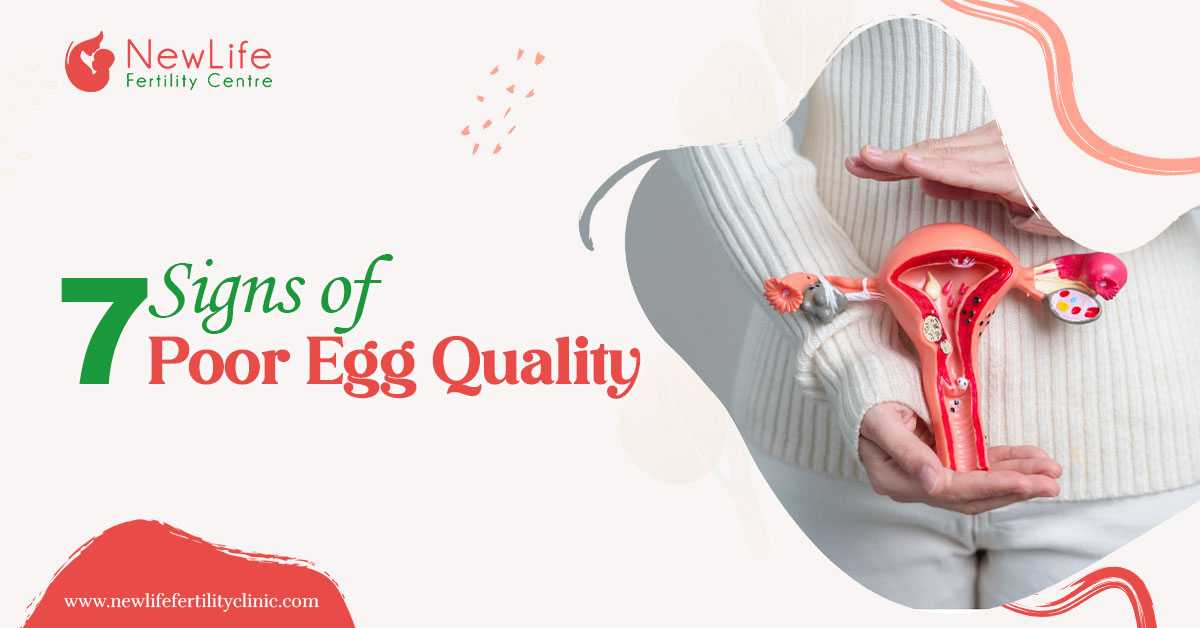
Here are 7 common signs of poor-quality eggs :
1. Menstrual Disorder: Irregular periods signal many significant warnings on reproductive health. This is the most prevalent symptom of poor egg quality. You may experience periods much earlier than expected and much later than expected. An unpredictable menstrual cycle means inconsistent ovulation. It may suggest that eggs are not developing properly, leading to a reduced possibility of fertilisation.
2. Difficulty in Pregnancy: One of the most crucial signs of poor-quality eggs is difficulty in conceiving. It can lead to the struggle of getting pregnant naturally for more than a year. Despite the partner’s sperm quality, quantity and lifestyle, the delay and failures in conceiving can be a sign of bad quality eggs. Healthy eggs ensure a successful implantation during infertility treatments.
3. Genetic Issues in Embryos: When undergoing infertility treatments like IVF, embryo testing shows an increasing proportion of abnormal embryos, which can be a sign of poor-quality eggs. These embryos stop growing early and do not achieve the blastocyst stage, which is associated with poor-quality eggs rather than sperm quality.
4. Recurrent Miscarriages: Going through repeated pregnancy losses can be emotionally challenging, and it can signal underlying issues. Poor-quality eggs fail to survive during the initial month of pregnancy. Experiencing more than two recurrent miscarriages can be a sign of poor-quality eggs with chromosomal abnormalities. It causes failure of a fertilised egg to develop into a healthy baby.
5. Reduced Level of AMH or FSH: During infertility treatment or pregnancy, blood tests like Anti-Mullerian Hormone(AMH) and Follicle Stimulating Hormone (FSH) indicate the ovarian reserve, the quantity of eggs. However, it does not directly test quality, but a low level of AMH suggests fewer eggs and declining health of the remaining ones. Often, health experts consider an AMH level below 1.0 ng/ML as a concerning sign of reduced possibility of fertility.
6. Matured Age: With advancing age, egg quality naturally declines, especially after the age of 30. Post mid-thirties, the quality and quantity of eggs with chromosomal abnormalities increase. By the early forties, only a few per cent of eggs remain that are chromosomally normal. This leads to the difficulty in conceiving during advanced maternal age. Preserving the quality of eggs helps in conceiving at a later age with advanced procedures like IVF.
7. Poor Ovarian-Stimulation: At the time of undergoing assisted reproductive technology (ART), ovarian stimulations are given to boost ovulation. In this procedure, failing to produce mature eggs despite strong dosages given can suggest poor-quality eggs. Poor response to ovarian stimulations can indicate a lower ovarian reserve or deteriorating egg quality. This response can be recognised by reduced numbers of eggs retrieved during the treatment cycle and may create challenges in achieving successful fertilisation.
Final Remarks
Egg quality is one of the chief factors in determining fertility and contributing to a successful pregnancy. Even though with age, egg quality declines naturally, being careful about particular lifestyle habits and improving them with an expert’s guidance can help in maintaining the quality of eggs and overall reproductive health.
Certain lifestyle practices and long-term habits can impact egg development. Knowing the symptoms of poor-quality eggs and proactively changing the harmful habits can be significant in having greater control over one's fertility experience. Consult with an IVF doctor in a fertility clinic like Newlife Fertility Centre in Siliguri to receive expert guidance on fertility issues.
