

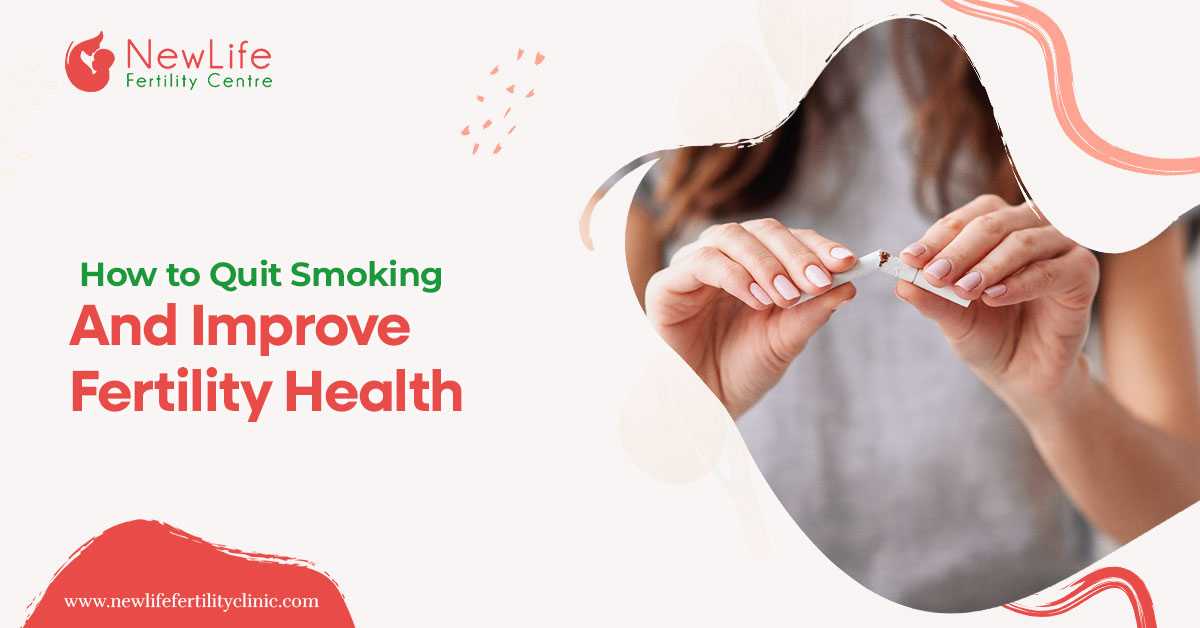
Every choice you make when preparing for conception matters. And, giving up smoking is one of them. It is a vital step people must take if planning for pregnancy. Both male and female fertility are impacted when smoking, from hormone balance and successful pregnancies to the quality of eggs and sperm.
Quitting can greatly increase your chances of becoming pregnant and reduce the risk of pregnancy complications. This can help undo some of the harm. To get comprehensive IVF treatment in Siliguri or in your area, visit a trusted doctor or clinic. Talking to a doctor about how you can give up can be of great help.
Here, this blog will explain how smoking impacts fertility, how to effectively quit, and how to support and heal your reproductive health.
The Impact of Smoking on Women's Fertility
-
Infertility rates are higher among women who smoke. Many studies show that women who smoke have infertility rates that are around twice as high as those of non-smokers.
-
Smoking can harm eggs and ovaries, disrupt ovulation, and lower the likelihood of a successful embryo implantation.
-
Women who smoke may require greater dosages of medicine and have poorer pregnancy success rates even after undertaking reproductive procedures like in vitro fertilization (IVF).
The Impact of Smoking on Men's Fertility
-
Lower sperm counts, decreased motility (movement), aberrant morphology (shape), and higher DNA damage in sperm are all associated with smoking.
-
Increased oxidative stress (caused by more reactive oxygen species) is one of the factors that harms sperm cells and their ability to function.
-
The likelihood of conception can be greatly decreased by these combined effects, which might also lengthen the period until conception.
Here’s Why Quitting Smoking Helps Fertility?
-
When you quit smoking, this action provides the best foundation for couples attempting to conceive: healthier sperm and eggs, a better environment for the development of the embryo and placenta, and improved pregnancy and baby outcomes.
-
Quitting smoking saves you from continuous exposure to harmful substances that affect your reproductive health. Also, quitting reduces disruption of the hormone and egg systems in women, and men's sperm parameters may gradually improve after stopping.
-
Giving up on smoking increases the likelihood of pregnancy and excellent pregnancy outcomes while preventing further harm, even while some prior damage (such as decreased ovarian reserve in women) may not be reversed.
You might get help from one of the top IVF doctors in Siliguri, such as at New Life Fertility Centre, or in your location.
A Handy Guide to Giving Up Smoking – Achieve Better Fertility Health
This is a structured guide to stopping and promoting fertility. But feel free to adjust to your circumstances as needed.
Decide When to Stop
Within the next two weeks, pick a date. Put it on your schedule, and make use of that lead time to build up your surroundings, attitude, and network of support.
Identify Your Triggers for Smoking
Take some time to record when you smoke, why (stress, habit, social?), and how you feel both before and after. Here you can arrange alternatives (such as walking, drinking water, or taking deep breaths) by identifying triggers.
Get Expert Assistance
-
Think about discussing quitting with a healthcare professional; if necessary, they can offer advice on medicine or nicotine replacement treatment.
-
Your success rate is increased by behavioral counseling, stop programs, support groups, and apps.
-
Tell your significant other, family, or friends that you're quitting and request their assistance (e.g., not smoking around you, positive reinforcement).
Replace the Habit
-
Try deep breathing, chewing sugar-free gum, drinking water, taking a little stroll, or using a muscle-relaxation technique when you feel like smoking.
-
During the early stages of quitting, stay away from places or social situations that are closely associated with your smoking habit.
-
Set new routines, such as going outside to stretch after meals rather than smoking.
Control Your Cravings and Withdrawal
-
After five to ten minutes of coping behavior, cravings usually subside. Remember that they shall pass.
-
Sleep problems, difficulty focusing, and irritability are all signs of withdrawal. Prepare yourself for such by having self-care techniques ready, such as getting enough sleep, eating a balanced diet, moving around, and relaxing.
-
Remind yourself every day, "I'm quitting to give myself/my partner and future baby the best chance," to help you stay focused on your fertility/ pregnancy goal.
Keep Track of Your Progress and Reward Yourself
-
Maintain a calendar of smoke-free days and monitor any benefits. These may include improved energy, reduced coughing, and the return of taste and smell.
-
Reward non-smoking milestones (one week, one month, three months) with a massage, a new wardrobe, or an excursion.
-
Reset and recommit instead of calling it a failure if you lapse and smoke. Many folks require several tries.
Stay Smoke-Free for Your Long-Term Well-being
-
Recall that you are quitting smoking to safeguard both your general health and fertility. You are motivated by two things at once, which include getting pregnant now and living a better life later.
-
Continue to recognize emerging triggers, such as stress at work or social gatherings, and modify your tactics accordingly.
-
Create a smoke-free atmosphere for yourself, which is very important, by asking friends and relatives who smoke to refrain from smoking near you and, if possible, encouraging them to stop.
-
Remember your motivation if you ever feel tempted: "I want to give myself and my future partner and baby the best possible start." Spend five to ten minutes imagining that future.
Yes, one of the most effective things you can do for reproductive health or fertility is to stop smoking. It is evident that smoking reduces the possibility of conception, damages sperm and eggs, and increases the time it takes to become pregnant.
Also, smoking habits can make fertility treatments less successful, like IVF or the use of fertility medications. For IVF treatment in Siliguri, or near you, discuss well with your doctor.
You can increase your chances of getting a healthy pregnancy by committing to stopping. If you're prepared to make this shift, know that it's completely doable and that the advantages go well beyond fertility to include your long-term well-being. The benefits here include your partner's well-being and the health of your future family.
See a fertility expert if you've been trying to conceive for six to twelve months (or twelve months if you're over thirty-five). Consult your doctor to find your personalized routine and optimal health.
