
Hormonal imbalances are a major reason for infertility, which is becoming more common among couples worldwide. Despite having a major impact on reproductive health, many ignore thyroid issues among these hormonal illnesses.
You must know that the thyroid gland is essential, as it regulates hormonal balance, menstrual cycles, metabolism, and energy generation. Both men's and women's fertility can be impacted by even a minor disturbance in thyroid function.
You might seek advice from the top gynecologist or infertility specialist at the best IVF center in Siliguri. You can seek prompt treatment and increase your chances of pregnancy when you know that thyroid function problems can affect fertility.
Thyroid Function Overview
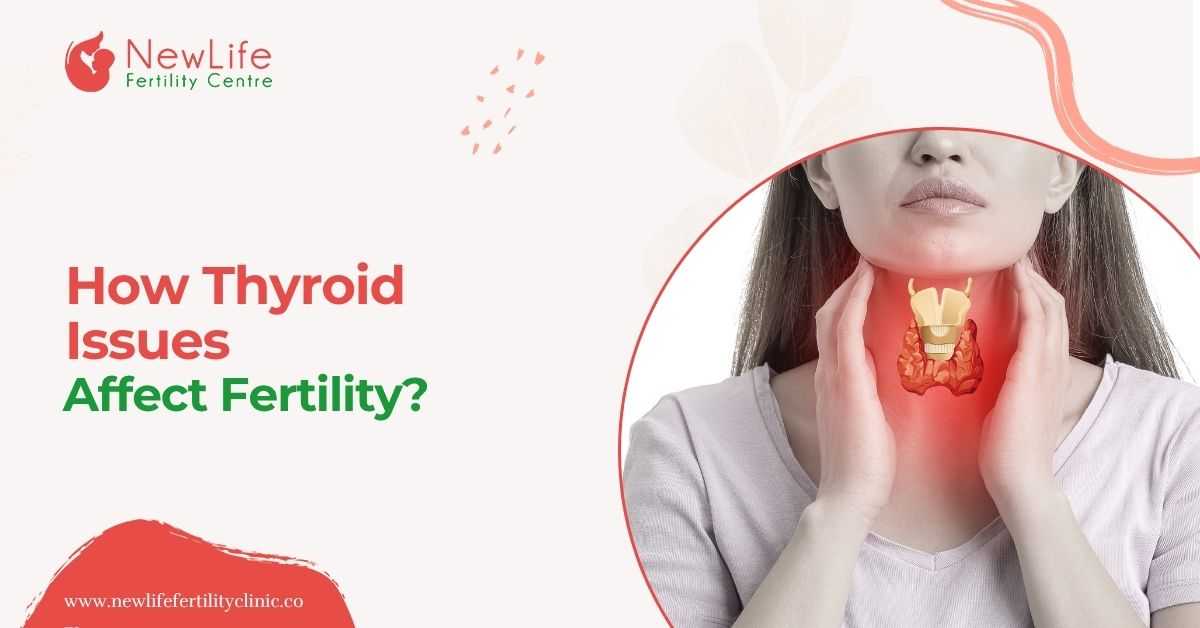
This is a little gland at the front of your neck, and it resembles a butterfly. It generates the hormones. These include triiodothyronine (T3) and thyroxine (T4), which control several bodily processes, such as:
- Your metabolism
- Heart rate
- Temperature of your body
- Levels of energy
- Ovulation and menstrual cycles
- Development of pregnancy
Your reproductive hormones and your thyroid are tightly related, and fertility can be severely impacted by either high or low thyroid hormone levels.
Types of Thyroid Disorders – What You Need to Know
Fertility problems are associated with two primary thyroid disorders:
Thyroid Condition
Inadequate hormone production by the thyroid gland can be a trouble, known as hypothyroidism. Among women of reproductive age, it is among the most common thyroid disorders, managed with medication and lifestyle changes.
Typical reasons are:
- Iodine deficiency & autoimmune diseases like Hashimoto's thyroiditis
- Surgery on the thyroid
- Some medications
Hyperthyroidism
Overproduction of hormones by the thyroid gland is what hyperthyroidism is, and typical reasons are:
- Graves' disease
- Thyroid nodules
- Inflammation of the thyroid
Both disorders can impair reproductive health and interfere with the likelihood of becoming pregnant. You may talk to the top infertility specialists in Siliguri or near you for personalized advice and support.
Let’s Know About the Impact of Thyroid Problems on Female Fertility
Irregular Menstrual Cycles
The menstrual cycle is regulated in part by thyroid hormones, and a thyroid that is either hyperactive or underactive can result in:
- Irregular periods
- Heavy bleeding
- Periods of light
- Periods missed
The likelihood of pregnancy might be low with irregular menstruation, which frequently makes it difficult to anticipate ovulation.
Ovulation Problems
Pregnancy requires ovulation, but thyroid conditions can interfere with the brain, ovaries, and reproductive hormones' ability to communicate. And this can result in:
- Ovulation delay
- Ovulation is absent (anovulation)
- Low-quality eggs
Regular egg release may be difficult for women with untreated thyroid conditions; thus, medical attention is essential.
High Risk of Polycystic Ovary Syndrome (PCOS)
Both PCOS and hypothyroidism are closely related, based on research, and symptoms include:
- Gaining weight
- Irregular periods
- An imbalance of hormones
- Having trouble getting pregnant
Fertility issues may worsen when PCOS and thyroid problems coexist in women.

High Prolactin Levels
Prolactin synthesis may rise in response to low thyroid hormone levels. Now, ovulation problems may occur, and these can hamper fertility (high prolactin levels).
This illness may cause:
- Missing or irregular cycles
- Decreased fertility
- Unrelated to pregnancy, breast discharge
Prolactin synthesis may rise in response to low thyroid hormone levels. And, high prolactin levels ovulation and fertility.
Impact on Implantation
Everyone should know that for healthy implantation, the uterine lining must be healthy. Even if fertilization takes place, the endometrium may be impacted by thyroid hormone abnormalities.
This can make implantation downright challenging, and for couples undergoing IVF or other fertility procedures, this is very crucial.
Miscarriage Risk
Miscarriage risk is high if there’s an untreated thyroid condition, particularly in the first trimester. Both the growth of the embryo and the maintenance of a healthy pregnancy depend on appropriate thyroid hormone levels.
Plus, women with thyroid disorders may be more susceptible to:
- Premature birth
- Pregnancy-related hypertension
- Low birth weight
- Problems with the placenta
Impact of Thyroid Conditions on Male Fertility
Thyroid conditions can interfere with male reproductive health even though they are more prevalent in women.
Poor Sperm Quality
Hyperthyroidism and hypothyroidism in men can both result in:
- Low number of sperm
- Insufficient motility of sperm
- Unusual sperm form
The probability of effective fertilization is low due to these problems.
Erectile Dysfunction & Low Libido
Thyroid diseases can result in hormonal imbalances that can cause various problems in men:
- Low desire for sex
- Dysfunctional erection
- Weariness and low vitality
Relationship and fertility may be indirectly impacted by these symptoms.
Hormonal Imbalance in Men
This dysfunction can affect the production of testosterone. Testosterone levels can also go out of balance when thyroid hormones are irregular, which can impact sperm production and reproductive function in men.
Common Symptoms of Thyroid Disorders
Early detection of thyroid symptoms can help avoid problems with fertility.
Hypothyroidism symptoms
- Weariness
- Gaining weight
- Depression
- Dry skin
- Thinning hair
- Constipation
- Intolerance to cold
- Irregular periods
Hyperthyroidism symptoms
- Weight loss
- Fear
- Quick heartbeat
- Sweating excessively
- Shaking
- Issues with sleep
- Regular bowel motions
- Light or absent periods
Thyroid Tests for Fertility
Now, thyroid testing can be required if you have these symptoms besides trouble getting pregnant.
Doctors like gynecologists and infertility specialists advise thyroid testing for couples.
Typical tests consist of:
TSH Examination
The main test that helps assess thyroid function is thyroid-stimulating hormone (TSH).
Tests T3 and T4
The body's actual thyroid hormone levels are measured by these tests.
Tests for Thyroid Antibodies
Autoimmune thyroid conditions, including Graves' disease and Hashimoto's disease, can be identified with the use of this antibody test.
A correct diagnosis is essential and enables our doctors to develop a successful treatment strategy that promotes pregnancy and fertility.
The Optimal Thyroid Levels During Pregnancy
Maintaining a TSH level below 2.5 mIU/L is usually recommended for women attempting to conceive. Moderate thyroid imbalances might impact early pregnancy outcomes and fertility.
Because hormone requirements fluctuate quickly during pregnancy, routine monitoring becomes even more crucial, so be sure you go for that.
Treating Fertility Problems Associated with the Thyroid
Fortunately, infertility caused by thyroid issues is highly treatable. And, yes, many couples are able to conceive spontaneously after their thyroid hormone levels are in balance.
How to Treat Hypothyroidism
Usually, doctors prescribe levothyroxine and other thyroid hormone replacement meds.
- Consistent menstrual periods
- Enhanced ovulation
- Higher-quality eggs
- A lower chance of miscarriage
Treatment for Hyperthyroidism
One way to treat hyperthyroidism is by:
- Anti-thyroid meds
- Treatment with radioactive iodine
- In extreme situations, surgery
Here, doctors prescribe treatments depending on the patients’ health and pregnancy goals.
Treatments for Fertility & Thyroid Conditions
Before you begin fertility treatments like IVF or IUI, couples should make sure their thyroid levels are under control.Now, pregnancy problems and treatment success rates might depend very much on the thyroid gland functioning.
To maximize reproductive outcomes, endocrinologists and fertility experts can collaborate.
Lifestyle to Promote Fertility & Thyroid Health
While medical care is vital, lifestyle choices can have a major impact on your reproductive and thyroid health.
Consume a Well-Balanced Diet
Add foods that help the thyroid:
- Iodine
- Selenium
- Zinc
- Iron
Foods high in vitamin D include fish, eggs, nuts, dairy, and leafy greens.
Keep Your Weight in Check
Reproductive health issues and thyroid imbalance can be exacerbated by both being underweight and obese. Therefore, reaching a healthy weight promotes ovulation and hormone balance.
Control Your Stress
You must know that long-term stress can affect a person’s reproductive hormones and thyroid function.
Effective methods for managing stress include:
The practice of meditation
- Yoga
- Inhaling deeply
- Frequent physical activity
- Getting enough sleep
Avoid Smoking & Excess Alcohol
Smoking and binge drinking can worsen your thyroid conditions and have a detrimental impact on both male and female fertility.
Final Words
The best part is that with the correct medical attention and a healthy lifestyle, thyroid-related reproductive problems are very treatable. See a doctor for an evaluation if you've been trying to get pregnant but haven't been successful or if you have thyroid imbalance symptoms. You might see your infertility doctor at the best IVF center in Siliguri, like Newlife Fertility Centre.