
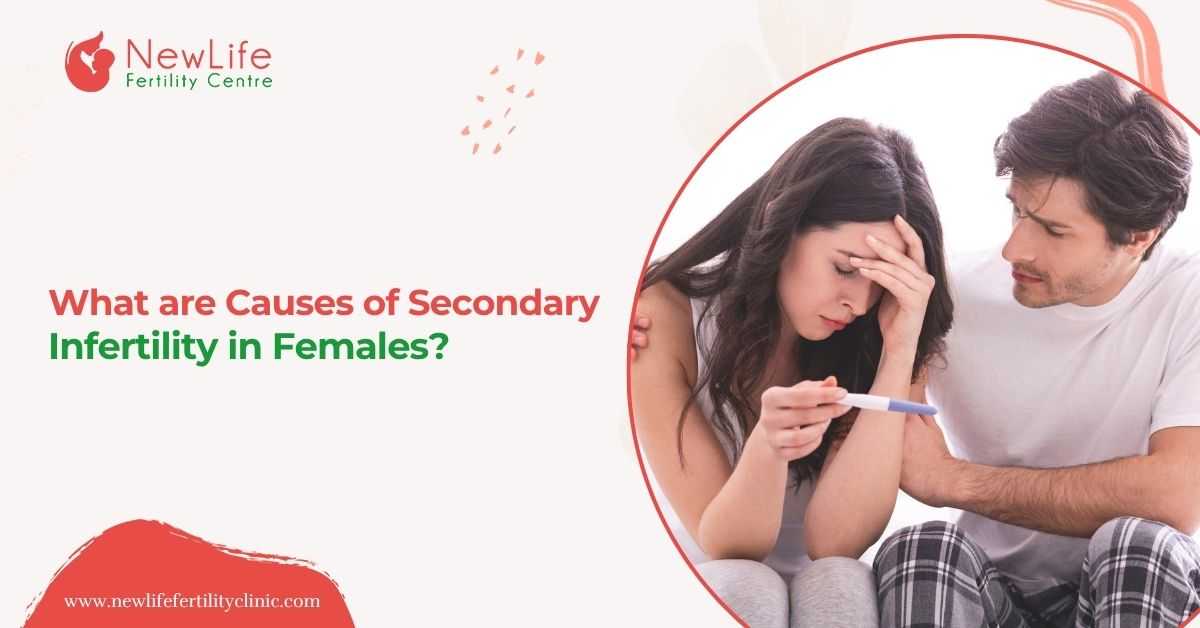


Many don’t even know there are primary and secondary reasons for infertility in females. Though many women worldwide suffer from secondary infertility, it generally gets less attention.
The emotional impact of trouble conceiving can be substantial, especially if one believes that having another child should be simpler because it has already happened.
The trouble bringing a pregnancy to term after giving birth to one or more biological children without reproductive treatment is known as secondary infertility.
A highly trusted IVF center in Siliguri or near you focuses on diagnostic accuracy and your general health and age. When a woman under 35 has been attempting to conceive for a full year without success, most doctors consider it infertility.
After six months of failed attempts, examination is typically essential for women 35 years of age and older. A sizable portion of instances are caused by female-related causes.
What Is the Frequency of Secondary Infertility in Females?
Many people are unaware of how common secondary infertility is. The fact is, it is responsible for a wide percentage of infertility cases globally. Age-related reproductive issues are becoming more prevalent as many people decide to have children later in life.
Fertility can change dramatically over time due to biological, physiological, and environmental reasons, even when there was a successful pregnancy.
Symptoms That May Pinpoint Secondary Infertility
Having trouble getting pregnant after a prior successful pregnancy is the classic sign here, but women could also encounter:
- Irregular menstrual periods
- Absence of periods
- Pain in the pelvis
- Unpleasant sexual relations
- Heavy bleeding during menstruation
- Acne and excessive hair growth are examples of hormonal signs
Still, the inability to conceive may be the only noticeable sign in certain situations.
Let’s Know Common Reasons for Secondary Infertility in Females
Age-Related Fertility Decline
Advanced maternal age is a major cause of subsequent infertility.Both the quantity and quality of eggs decrease with age, as per diagnoses and studies. After age 35, this decline becomes more apparent, and after age 40, it picks up speed.
As women get older:
- Reduced ovarian reserve
- The quality of eggs decreases
- Ovulation may become less frequent
- Miscarriage risk rises
These normal reproductive changes may make it more difficult to conceive. This is for a woman who had her first kid in her late twenties to become pregnant again a few years later.
Ovulation Disorders
No doubt, conception requires timely ovulation. Ovulation can be hampered by several circumstances, including:
PMOS (earlier called PCOS)
PMOS is a hormonal and metabolic condition in females ( Polyendocrine metabolic ovarian syndrome), which can be responsible for secondary infertility.
CommonPMOS signs and symptoms include:
- Irregular periods
- Overgrowth of body or facial hair
- Acne and weight gain
- High androgens in females
- Having trouble getting pregnant
- Polycystic ovary
Thyroid Disorders
Ovulation and reproductive hormones can suffer from thyroid dysfunction, such as hypothyroidism and hyperthyroidism.
Untreated thyroid disorders in women can lead to a number of health concerns:
- Irregular menstrual periods
- Variations in ovulation
- Decreased fertility
Increased Prolactin Levels
High prolactin levels in your body can trouble conception, as it suppresses ovulation. Pituitary gland problems, drugs, or other health problems could cause this illness. You might get advice from the top fertility doctors in Siliguri for any kind of pregnancy-related concerns and treatments.
Endometriosis
This is when tissue that resembles the lining of the uterus grows outside of it, and this can cause problems like:
- Pain in the pelvis
- Periods of pain
- Pain during sexual activity
- Issues with fertility
Secondary infertility may result from endometriosis in the following ways:
- Obstruction in the fallopian tubes
- Harming the reproductive system
- Causing pelvic inflammation
- Impacting the quality and implantation of eggs
After their first pregnancy, some women might get endometriosis, and this could be the reason why they have trouble getting pregnant again.
Fallopian Tube Damage or Blockage
Because they enable the meeting of the egg and sperm, healthy fallopian tubes are essential for pregnancy, and blockage or damage may arise from:
- PID, or pelvic inflammatory illness
- Sexually transmitted infections
- Prior abdominal surgery
- Endometriosis
- An ectopic pregnancy
The likelihood of conception can be low due to even a minor obstruction. Therefore, fertility testing is crucial when pregnancy does not go as planned.
Uterine Abnormalities
Implantation and the success of a pregnancy can struggle due to changes in the uterus.
Secondary infertility is often associated with the following uterine conditions:
Uterine Fibroids
Non-cancerous growths that form in or near the uterus are called fibroids, and based on where and how big they are, fibroids can:
- Cause uterine cavity distortion
- Affect the implantation of embryos
- Raise the chance of miscarriage
Uterine Polyps
Small growths in the uterine lining called polyps have the potential to lower fertility. It does so by interfering with implantation.
Scar Tissue (Asherman's Syndrome)
Scar tissue may appear following:
- C-sections
- Curettage and dilatation (D&C)
- Treatment for miscarriages
- Uterine surgeries
These adhesions may cause several challenges, like irregular menstrual periods or interference with the implantation of embryos.
Pregnancy & Childbirth Complications
Future fertility may be low in some cases due to reproductive changes brought on by prior pregnancies and delivery.
Possible issues can be:
- Severe infections after childbirth
- Scarring of the uterus
- Placental tissue that was retained
- Complications right after cesarean delivery
These issues can lead to secondary infertility; however, these are not very common.
Poor Ovarian Reserve
A decrease in the quantity of eggs that are accessible in the ovaries is what poor ovarian reserve is.
This condition may arise as a result of:
- Getting older
- Genetic variables
- Immune system disorders
- Prior ovarian surgery
- Treatments for cancer
Even if their fertility is low, women with limited ovarian reserve may still have regular cycles. If you are thinking about IVF treatment, you might visit the top IVF center in Siliguri City and consult the top infertility doctors.
Weight Changes and Obesity
Reproductive health can suffer due to body weight.
Being overweight
Ovulation and hormone production might be impacted if you are overweight; here, obesity can cause:
- Irregular menstrual periods
- Low-quality eggs
- An increase in inflammation
- Increased rates of miscarriage
Being Underweight
Also, low body weight can interfere with ovulation and disturb reproductive hormones; yes, this is possible. Major weight loss or restrictive eating habits may make it difficult for women to conceive and lead to secondary infertility.
Lifestyle Factors
Over time, multiple lifestyle choices might have a detrimental impact on female fertility.
Smoking
Smoking may:
- Damage egg quality
- Hasten the aging of the ovaries
- Raise the chance of miscarriage
- Lower the success rates of reproductive treatments
Overindulgence in Alcohol
Excessive alcohol use can lower fertility and play havoc with your hormone balance.
Chronic Stress
Yes, long-term stress can impact your hormone function and reproductive health. But stress by itself is typically not the direct cause of infertility (a contributing factor)
Inadequate Nutrition and Inactivity
Hormonal imbalances and fertility issues may result from sedentary lifestyles and nutritional inadequacies, so you need to be more attentive to your lifestyle.
Autoimmune Disorders
Some autoimmune illnesses can disrupt your fertility balance, and examples are:
- Lupus
- Rheumatoid arthritis
- Thyroid autoimmune disease
Fertility may be impacted by these conditions by:
- Interfering with the synthesis of hormones
- An increase in inflammation
- Having an impact on implantation
- Raising the chance of miscarriage
Reproductive outcomes can improve with the proper autoimmune disease treatments.
Premature Ovarian Insufficiency (POI)
This medical term suggests ovarian function deteriorates before the age of forty.
POI-affected women may notice:
- Irregular periods
- Flashes of heat
- Sweats at night
- Having trouble getting pregnant
Conception is still possible in some POI situations.
Chronic Medical Issues
You must know that fertility may be directly or indirectly affected by long-term medical issues, and conditions can be:
- Diabetes
- Kidney problems
- High blood pressure
- Liver disease
Maintaining reproductive health and increasing the chance of conception depend on effective treatment and management of the particular disease.
Final Words
Secondary infertility is common, but people hardly know about it. This can become overwhelming for couples who have previously experienced a successful pregnancy.
Age-related concerns, ovulation disorders, endometriosis, fallopian tube damage, uterine abnormalities, lifestyle habits, and chronic health conditions work as contributing factors.
If you have the same trouble, do consult a trusted fertility specialist near you, or you might visit Newlife Fertility Centre, one of the top IVF centers in Siliguri.

