

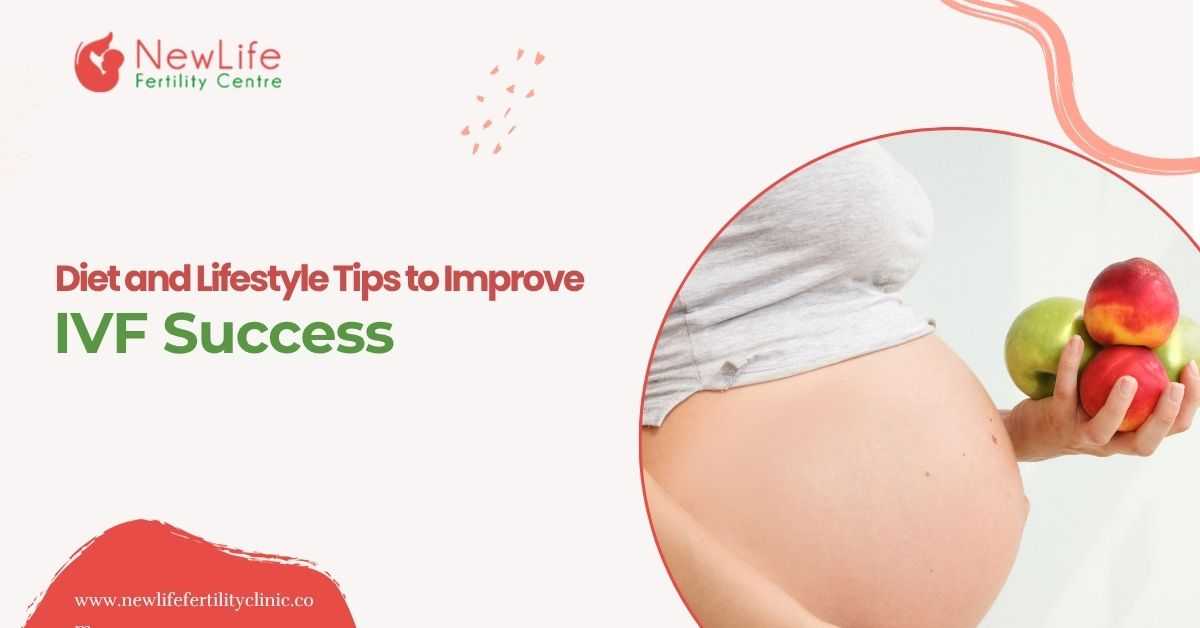


Thinking about your diet and lifestyle is vital when you consider IVF treatment. Even though IVF technology has come a long way over the years, multiple factors such as age, medical history, embryo quality, and general health affect how well the therapy works.
But the value of diet and lifestyle in promoting fertility and enhancing IVF results is one topic that frequently gets less attention. To get expert advice, you can meet your doctor at the best IVF center in Siliguri or near you.
Many medical studies indicate that having a balanced diet, exercising, managing stress, and avoiding certain lifestyle choices can support fertility treatments.
Why Lifestyle and Diet Are Important During IVF
During IVF treatment, the body experiences major hormonal and some level of physiological changes. Here, a healthy diet and way of life can be highly beneficial:
- Support the quality of eggs and sperm
- Boost the balance of hormones
- Soothe inflammation
- Keep your weight in check
- Support uterine health
- Boost blood flow
- Cut down on oxidative stress
- Encourage fertility
Following a balanced diet can produce ideal circumstances for implantation and pregnancy.
A Fertility-Friendly Diet – Follow This Handy Guide
Adopting a nutrient-rich dietary pattern is a really good strategy to support IVF treatment.
Consume Good Amounts of Fruits and Vegetables. Loaded with vitamins, minerals, antioxidants, and fiber, colorful fruits and vegetables shield reproductive cells from oxidative damage.
Among the great options are:
- Spinach
- Bell peppers
- Broccoli
- Oranges and Berries
- Carrots
- Tomatoes
- Sweet potatoes
You may try to have five servings or a good amount of fruits and veggies each day, as these will boost your immunity.
Choose Whole Grains. Besides giving you consistent energy, whole grains are high in fiber and B vitamins, which promote hormonal health and help control blood sugar.
Among the healthy choices are:
- Brown rice
- Quinoa and Oats
- Barley
- Millet
- Whole wheat bread
During fertility treatment in Siliguri or anywhere, get food advice from your healthcare provider.
Add High Protein. Protein is essential for tissue healing, hormone synthesis, cell building, etc., and some excellent resources include:
- Eggs
- Fish
- Chicken without skin
- Lentils
- Greek yogurt, tofu, beans, and chickpeas
Nutritional demands can be satisfied if you add a range of plant-based and lean proteins to your diet.
Consider Healthy Fats. You should know that hormone production and reproductive health depend on healthy lipids.
Add foods that are high in:
- Omega-3 fatty acids
- Monounsaturated fats
- Polyunsaturated fats
Examples include:
- Sardines and Salmon (among fish)
- Walnuts
- Flaxseed
- Chia seeds
- Avocados
- Almonds and olive oil
Reduce your intake of processed foods for your heart health and fertility (high in trans fats, which may harm your fertility).
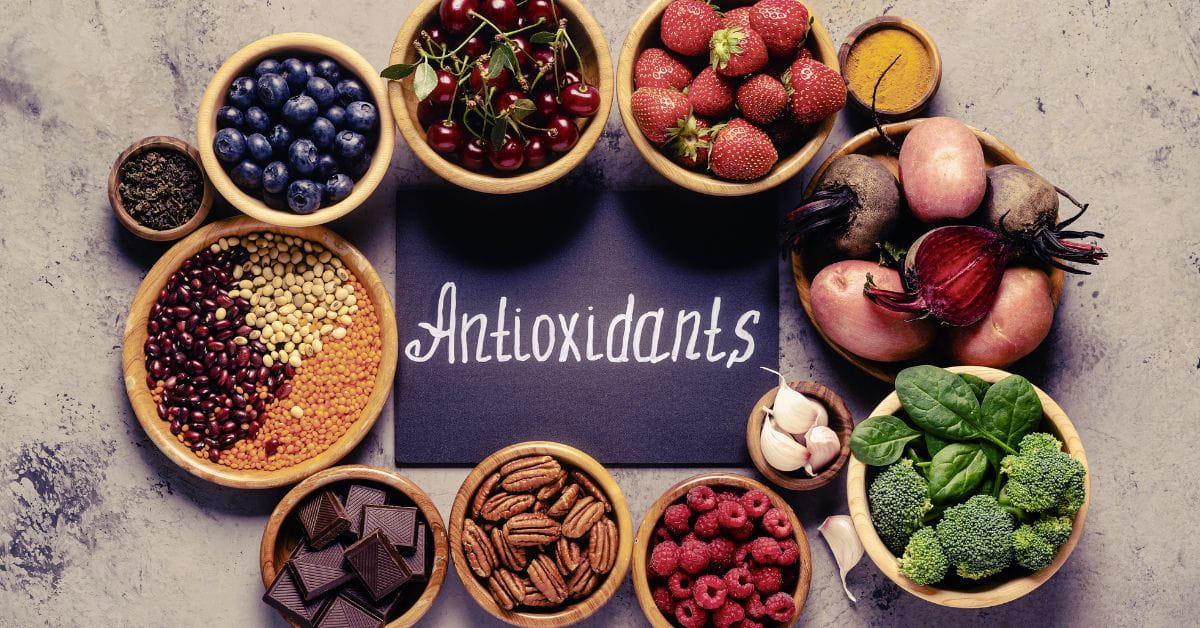
Increase Antioxidant Intake. We have to protect the quality of eggs and the development of embryos from oxidative stress. Here, antioxidants help prevent damage to reproductive cells.
Antioxidant-rich foods naturally include:
- Strawberries
- Blueberries
- Pomegranate
- Greens with dark leaves
- Nuts and Seeds
- Green tea (when used sparingly)
- Dark chocolate (highly in moderation)
Antioxidant supplements should only be taken under medical supervision, while certain fertility specialists may suggest them based on individual needs.
Maintain a Healthy Body Weight. Hormone levels, ovulation, and the outcome of IVF are also linked to body weight.
Being underweight or overweight might disturb a few things like:
- Quality of eggs
- Ovarian reaction
- Implantation of embryos
- Pregnancy results
Before you start IVF, if necessary, work with your IVF doctor or dietitian to reach a healthy weight, and fertility can benefit from even a little weight gain.
Avoid drastic calorie restriction or crash diets since they may hurt reproductive hormones; you need to be aware of that.
Stay Properly Hydrated. Water intake supports nutrient transport, digestion, blood circulation, and general cellular activity. So, maintaining uterine health and cervical mucus quality may also be aided by enough hydration.
Based on your level of activity and your doctor's advice, try to consume two to three liters of water every day; however, everyone’s needs are different. At the same time, limit sodas, sugar-filled drinks, and excessive amounts of caffeine.
Take the Suggested Supplements and Prenatal Vitamins. Before and during IVF, your fertility doctor could suggest taking supplements.
Common supplements include:
- Folic Acid
This nutrient lowers the incidence of neural tube abnormalities, promotes healthy embryonic development, eta al.
- Vitamin D
Vitamin D is essential for implantation, immunological health, and reproductive function; thus, many people are unaware that their vitamin D levels are low.
- Omega-3 Fatty Acids
Omega-3 fatty acids promote fertility and lessen inflammation.
Limit Processed Foods and Added Sugar. Excessive levels of the following are common in highly processed foods:
- Sugar that has been refined
- Saturated fat
- Sodium
- Synthetic additives
Regular use may lead to weight gain, insulin resistance, and inflammation; rather, focus on cooking fresh meals with whole ingredients whenever you can.
Reduce Caffeine Intake. While excessive caffeine intake may not be advantageous, mild caffeine intake is typically seen as safe during IVF.
Common sources:
- Tea and soft drinks
- Chocolate and energy drinks
Reduce your intake gradually if you take a lot of caffeine.
Reduce Caffeine Intake
While excessive caffeine intake may not be advantageous, minimal caffeine intake is typically seen as safe during IVF.
Common sources:
- Tea and soft drinks
- Chocolate and energy drinks
Best to reduce your intake gradually if you take a lot of caffeine.
Avoid Smoking and Alcohol. Smoking has been repeatedly linked to lower fertility and worse IVF results.
Smoking might:
- Lower the quality of eggs
- Cause the aging of the ovaries
- Reduce rates of implantation
- Increase the chance of miscarriage
Alcohol can also affect reproductive health and hormone balance in men and women. It is highly advised that both couples keep away from alcohol, recreational drugs, smoking, and vaping when getting ready for IVF.
Practice Moderate Exercise. Frequent exercise promotes:
- Healthy weight control
- Circulation of blood
- Reduction of stress
- Improved sleep
- Hormonal balance
Appropriate exercises include:
- Pilates
- Yoga
- Walking
- Riding at a moderate speed
- Stretching
However, vigorous exercise is generally contraindicated during ovarian stimulation as it may cause discomfort or worsen it. When it comes to physical activity during fertility treatment, always seek the advice of your IVF doctor or infertility specialist.
Prioritize Quality Sleep. Hormone balance and general health depend heavily on sleep and insufficient sleep may impact:
- Amounts of cortisol
- Hormones involved in reproduction
- Emotion
- Immune system performance
So, try to get between seven and nine hours of good sleep every night, and among the beneficial sleep practices are:
- Reducing screen time before bed and going to bed at the same time every day
- Keeping the bedroom dark and cool
- Avoiding large meals late at night
Manage Stress Effectively. IVF can be emotionally a bit stressful for many, and chronic stress may have an impact on your general health and treatment experience. But stress by itself does not usually cause infertility.
Among the healthy ways for managing stress are:
- Practicing meditation
- Deep breathing techniques
- Being mindful
- Mild yoga
- Perusing
- Taking in some music
- Spending time outside
- Talking to your loved ones or friends who are encouraging
To assist couples in navigating the emotional aspects of IVF, several fertility IVF clinics in Siliguri or other locations now provide counseling services and support groups.
Be Careful about Environmental Toxins. Reproductive health may be impacted by regular exposure to specific pollutants, and aim to minimize interaction with:
- Plastics that contain BPA
- Pesticides
- Smoke from cigarettes
- Chemicals used in industry
- Overexposure to air pollution
What you can do:
- Using containers made of glass or stainless steel
- Washing fruits and vegetables thoroughly
- Steer clear of microwaving meals in plastic containers
- Selecting fragrance-free household items
Manage Current Health Issues. Prior to IVF, it's critical to manage chronic medical issues, and these may include:
- Diabetes
- Thyroid conditions
- Elevated blood pressure
- Endometriosis
- PMOS
Maintaining good control over these problems before and during IVF therapy is possible through routine follow-ups with your healthcare professional.
Listen to Your Fertility Specialist. Your fertility team may offer advice on:
- Schedules for medications
- Dietary guidelines
- Exercise
- Appointment schedules
- Care after embryo transfer
Optimizing treatment results needs taking prescription meds exactly as directed and showing up for all appointments.
Foods to Eat
To promote fertility, think about adding:
- Green leafy vegetables
- Fresh produce
- Whole grains
- Lean chicken
- Eggs
- Beans
- Lentils
- Fish high in fat and low in mercury
- Greek yogurt, nuts, and seeds
- Avocados
The building blocks required for reproductive health are found in a varied, nutrient-rich diet.
Foods to Avoid
Cutting back on some foods could promote general well-being and limit:
- Processed meats
- Fried foods
- Sweet desserts
- Soft beverages
- Too much caffeine
- Alcohol
- Fish with high mercury levels
- Fast food
- Refined carbs
Overall nutritional quality can be enhanced by selecting healthier options.
For ovarian stimulation, egg retrieval, fertilization, embryo development, embryo transfer, and pregnancy, diet plays a vital role. To support hormone
synthesis, egg quality, uterine health, and implantation, your body needs enough nutrition.
Nutrition, body weight, physical activity, stress levels, sleep quality, smoking, and alcohol intake can affect IVF outcomes and might interfere with pregnancy, according to research.
Final Words
The importance of diet and lifestyle is huge if you are considering IVF or any fertility treatment. But, always keep in mind that lifestyle choices basically support IVF treatment rather than taking the place of medical care. And always seek medical advice for optimal outcomes if you are struggling with pregnancy or thinking about IVF treatment.
Speak with your doctor at the top IVF center in Siliguri City or near your location at Newlife Fertility Centre.