


Pregnancy is a highly complex phenomenon because it requires timely adaptations of biological and physiological domains, along with psychological and social domains. There is a common belief among the masses that egg rupture means pregnancy, which is not true in all cases. This is because the egg rupture or ovulation is just the first step in a highly intricate chain of events leading to pregnancy. To know more in detail one can visit the best IVF centre in Siliguri.
This blog will provide insights on what egg rupture is and what happens after it, so that you can understand the hidden factors required for a successful pregnancy in simple words.
What Is Egg Rupture?
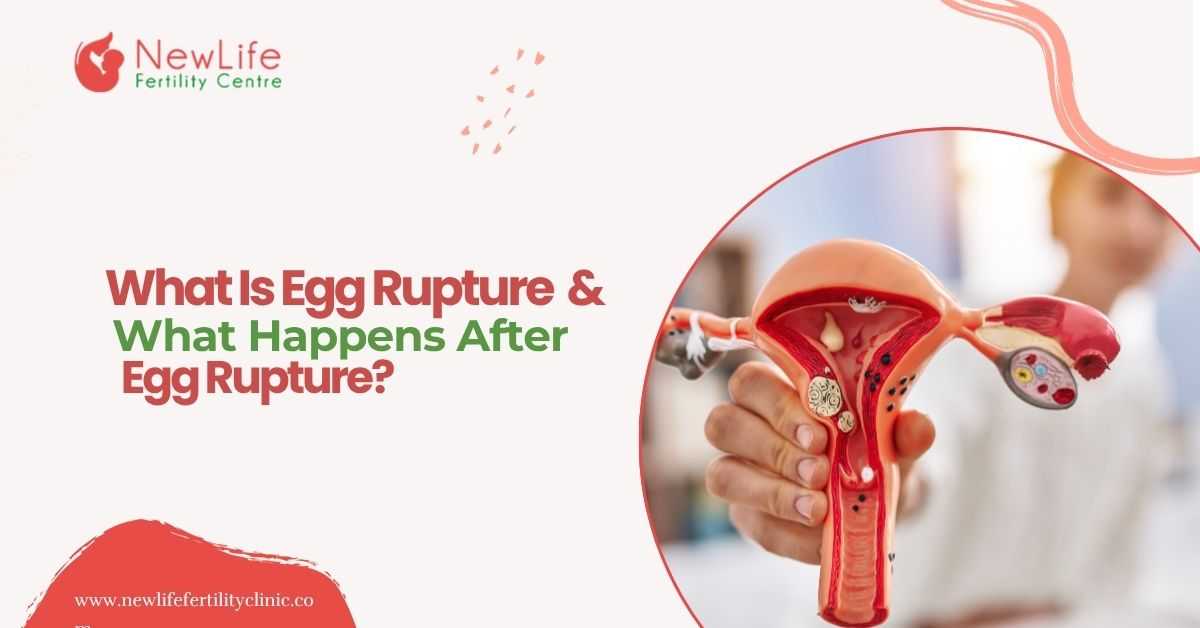
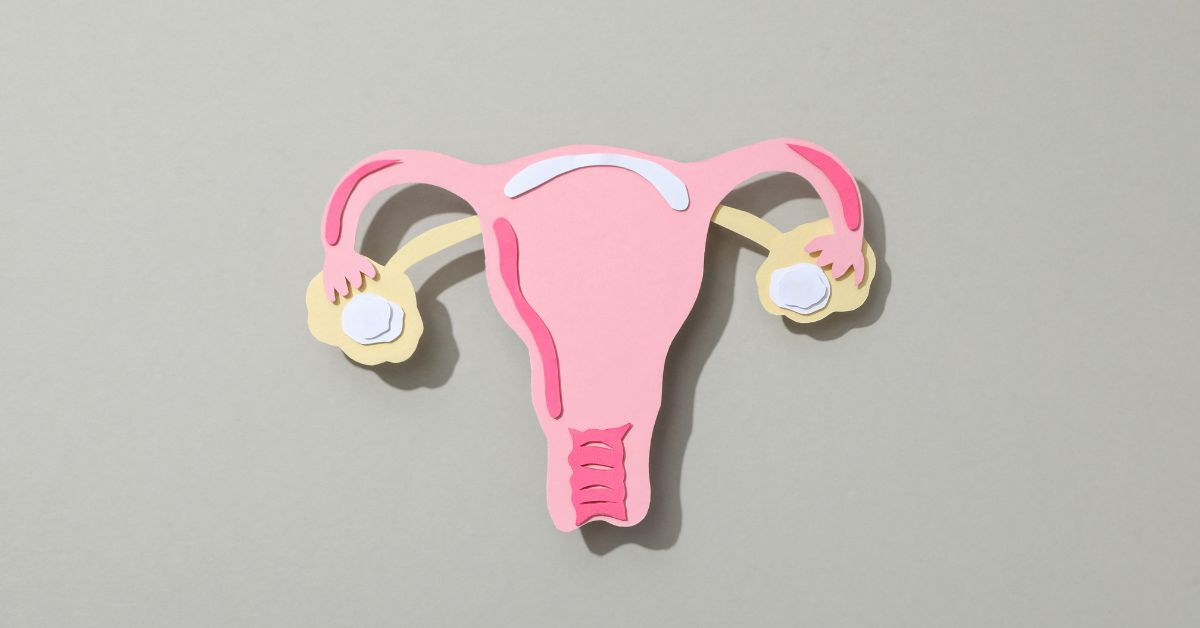
Egg rupture, also known as ovulation, occurs when a mature ovarian follicle bursts to release an egg into the fallopian tube. The burst is triggered by a sudden increase in Luteinizing Hormone (LH) levels. In simple words, egg rupture means an egg is available, but it does not guarantee pregnancy will occur.
Here are the common signs and symptoms of egg rupture:
- Ovulation Pain: It is common for women to experience a sudden, localized discomfort in their lower abdomen when the ovarian follicle ruptures. In clinical terms, this condition is known as “mittelschmerz”. The discomfort is generally a mild twinge, a dull ache, or a sharp cramp that is localized strictly to one side of the pelvis.
The pain is structurally caused by the expanding follicle stretching the surface of the ovary. In addition, it is irritated by the microscopic blood or fluid into the pelvic cavity during rupture.
- Changes in Cervical Mucus: Vaginal discharge is one of the most powerful indicators of egg rupture. During egg rupture, a massive surge in systemic estrogen levels takes place, which leads to drastic changes in cervical mucus to facilitate reproduction. It has been observed that the discharge transitions from dry or sticky to clear, slippery, and highly elastic just a few days before ovulation.
This structural change can be tested by stretching the fluid between two fingers. The structural design of the cervical mucus protects incoming sperm and provides a nutrient-dense environment.
- Shift in Basal Body Temperature: A measurable shift in your Basal Body Temperature (BBT) is a classic retrospective indicator that an egg rupture has successfully occurred. BBT refers to the baseline temperature of your body when it is at complete rest. Before ovulation, BBT remains relatively lower and stable. However, once ovulation occurs, an influx of progesterone transforms your body.
The sudden progesterone influx causes a slight but permanent rise in BBT, which persists consistently until the next menstrual period begins.
- Increased Breast Tenderness: The fluctuating hormone levels during ovulation result in physical changes to breast tissue. Many women report experiencing distinct breast tenderness, swelling, or nipple sensitivity immediately around the time of egg rupture. Clinical studies have found that estrogen expands the milk ducts, while the subsequent rise in progesterone causes the milk glands to swell.
The soreness in the breast can range from a very mild awareness to significant discomfort. This typically subsides when the ovulation window closes or menstruation occurs.
- Increased Libido: Before and during the window of egg rupture, a dramatic surge in luteinizing hormone and estrogen occurs, which is responsible for significant increase in libido. This hormonal shift enhances energy levels, confidence, and sexual desire. In addition, it acts as an evolutionary mechanism designed to maximize the chances of conception.
Many individuals report feeling more socially vibrant, attractive, and physically receptive during these peak hours. This internal shift serves as a fertility sign, which indicates that the body is ready to receive and fertilize sperm.
- Softening and Elevation of the Cervix: During egg rupture, the cervix undergoes significant structural adaptation to accommodate sperm entry. Throughout the majority of the menstrual cycle, the cervix sits low in the vaginal canal, which feels firm to the touch. However, as ovulation takes place, the cervix tends to shift higher up, soften significantly, and open slightly.
During the peak of the fertility phase, it feels soft, and the positional change makes the cervix harder to reach during self-examination. Overall, the elevation creates an opening that offers an ideal gateway for sperm to travel freely towards the fallopian tubes.
- Light Spotting or Ovulation Bleeding: Very light vaginal bleeding can be a potential symptom of an egg rupture. In clinical terms, it is known as ovulation spotting. The discharge is generally pinkish or light-brown in color, which is linked to the rapid drop in estrogen levels that happens immediately after peak levels trigger the LH surge.
The sudden drop in estrogen levels can lead to the shedding of tiny levels of uterine lining, which is stabilized by progesterone later. On the other hand, the physical rupture of the dominant follicle can also bleed into the pelvic cavity.
- Abdominal Bleeding and Mild Nausea: The intense hormonal shift associated with the need to push an egg out of its follicle can cause gastrointestinal problems. A sudden spike in estrogen right before egg rupture, followed by a rapid rise in progesterone, can significantly slow down digestion. This often leads to water retention, gas, and a distinct sensation of abdominal bloating.
In addition, the small amount of fluid or blood released into the abdominal cavity can irritate the peritoneal lining. It has been observed that localized irritation can trigger mild nausea and a temporary loss of appetite.
What Happens After Egg Rupture?
Here is what exactly happens after egg rupture:
- The Egg Enters the Fallopian Tube: The released egg is cast into the pelvic cavity, where the fimbriae begin a gentle sweeping motion to ensure that the egg is not lost. These structures create a soft current that keeps the egg safely inside the tube.
In addition, the presence of microscopic, hair-like structures gently cradles the egg, which keeps it stabilized for sperm arrival and conception.
- The Onset of 24-Hour Survival Clock: The moment the egg leaves the ovary, a strict biological countdown begins. The egg has an incredibly short lifespan because it remains healthy and capable of being fertilized for only 12 to 24 hours.
If sperm do not reach within this timeline, the egg begins to age and lose its structural integrity. In addition, the egg naturally dissolves and is safely absorbed by the body.
- Transformation of the Empty Follicles: The structural shell that is left behind on the ovary after an egg rupture tends to undergo rapid and drastic transformation. The ruptured follicle quickly reorganizes itself into a temporary, highly specialized endocrine gland called the corpus luteum.
The role of this gland is significant in terms of managing the second half of the menstrual cycle.
- Thickening of the Uterine Lining: Due to the rising levels of progesterone circulating through the bloodstream, the endometrium undergoes major structural remodeling. In addition, the lining grows soft, spongy, and heavily saturated with blood vessels and nutrient-secreting glands.
This biological process turns the uterine wall into a rich, ideal space for a fertilised egg to arrive and have immediate access to oxygen and vital nutrients.
- Spikes in Progesterone Levels: The newly formed corpus luteum begins manufacturing and releasing large quantities of the hormone progesterone. This hormone takes control of the post-ovulatory phase by acting as a chemical messenger that signals the rest of the reproductive system to prepare for a possible embryo.
- The Potential for Fertilization: If healthy sperm are waiting inside the fallopian tube due to prior intercourse or arrive shortly after ovulation, fertilization can occur. As hundreds of sperm surround the egg, they release enzymes to break down its protective outer shell.
The moment a single, successful sperm penetrates the egg’s membrane, the egg instantly hardens its outer layer to lock all other competitors out. The genetic material from the sperm and egg creates a single-cell organism called a zygote.
- Rapid Cell Division Begins: If successful fertilization takes place, the newly formed zygote does not remain stagnant. Within 24 hours of sperm penetration, this newly formed cell begins rapid division. As it constantly divides over the next five to six days, it transitions from a solid cluster of cells into a hollow ball of cells called a blastocyst.
This microscopic cluster carries all the foundational blueprints necessary to eventually develop into a baby.
- Journey to the Uterus: Whether the egg has been fertilised into a blastocyst or remains unfertilised, it must travel to the main uterine cavity. Since the egg cannot move on its own, it relies on the fallopian tube for transportation. The combination of synchronized waving and the tube’s rhythmic muscular contractions slowly pushes the egg downward.
This journey through the narrow passage is delicate and slow, and it takes around 3 to 4 days to complete the short journey from the tube to the womb.
- Attempts of Implantation: Once the travelling blastocyst finally enters the spacious uterine cavity, it floats freely for about a day before seeking a spot to settle. It targets the plush, nutrient-rich lining prepared by progesterone and begins the process of implantation. In addition, the outer cells of the blastocyst gently attach to the uterine wall.
Overall, this is a highly complex biological process and takes several days to complete. Successful implantation is the answer to the question “If an egg ruptures, can pregnancy happen?”
- Resetting of the System if Conception Fails: If the blastocyst fails to attach to the uterine wall or if the egg is never fertilized, the body prepares to reset. The corpus luteum naturally degenerates after about 14 days and stops producing hormones. This biological process causes a sudden. Sharp drop in progesterone and estrogen levels.
Without hormonal support, the prepared uterine lining can no longer sustain itself. Therefore, it begins to break down and detach, which results in a menstrual period that flushes the unfertilised egg out.
Final Thoughts
In the end, it can be stated that egg rupture does not guarantee pregnancy because it is only the first step in a complex multi-stage process. Thus, several other physiological events must occur in precise sequence for successful conception to take place.
Learning about egg rupture and what happens after it can help you optimize your timeline and take the necessary steps. You can book your appointment at Newlife Fertility Centre, which is widely regarded as the best IVF centre in Siliguri, to obtain personalized insights into egg rupture.
FAQs
Q. Why no pregnancy after egg rupture?
Answer: Even when an egg ruptures successfully, pregnancy fails to occur in most natural cycles. This is because conception relies on a chain of several factors. Some of the most common reasons for not becoming pregnant after egg rupture are timing mismatch, fertilization failure, implantation failure, and genetic abnormalities.
Q. How long does the egg survive after it ruptures?
Answer: Once the egg ruptures from the ovarian follicle, it has a very brief survival window of only 12 to 24 hours. If it is not fertilized by a sperm cell during this critical timeframe, it quickly begins to degrade and die. The body then naturally absorbs the dissolved egg, and the opportunity for conception closes until the next menstrual cycle.
Q. Can I feel the exact moment my egg ruptures?
Answer: Some women can feel a distinct localized sensation known as mittelschmerz at the exact time of ovulation. This typically manifests as a mild twinge, sharp cramp, or dull ache on one side of the lower abdomen. The discomfort is caused by the follicle stretching the ovary surface and releasing minor fluid or blood during the rupture.
Q. After how many days of egg rupture does implantation occur?
Answer: If the egg is successfully fertilized in the fallopian tube, it takes about three to four days to travel down to the uterus. Once inside the womb, the developing embryo floats freely for a day before beginning to burrow into the uterine lining. The actual process of implantation typically occurs roughly 6 to 12 days after the initial egg rupture.
Q. Does an ovulation test strip confirm that the egg has ruptured?
Answer: A positive ovulation test does not confirm that the egg has actually ruptured, but rather predicts that it will soon. The test strip detects a massive surge in Luteinizing Hormone (LH), which acts as the green light for ovulation. The actual physical rupture of the egg typically takes place 24 to 36 hours after this hormone surge is detected.
Q. Can an egg rupture fail to result in a period?
Answer: If an egg ruptures and is successfully fertilized and implanted, your hormone levels will stay high, and you will miss your period. However, if you are not pregnant and your period is still delayed, it usually means ovulation occurred much later than expected. In very rare medical cases, a follicle can show signs of rupturing without actually releasing the egg.
Q. What happens to the empty follicle after the egg leaves?
Answer: After the egg bursts out, the remaining shell left on the ovary instantly transforms into a temporary gland called the corpus luteum. This newly formed yellow structure acts as a miniature hormone factory, pumping out high volumes of progesterone. This progesterone is crucial for thickening the uterine lining and maintaining the early stages of a pregnancy.

