




Male fertility refers to a man’s ability to produce healthy sperm capable of fertilizing a female egg. According to a report published in Omnicuris (2026), only 1 in every 4 Indian men possesses normal semen parameters. This decline in male fertility is a major cause of concern because it can drive a national infertility crisis. Previously, infertility was stereotypically attributed to women only, but recent studies prove that male factor infertility is equally responsible for a couple’s struggle to conceive. To help you get answer to your queries on this topic please visit the best fertility expert near you.
Therefore, knowing the foods to boost male fertility can help males improve their reproductive health through simple dietary changes. However, it is also strongly advised to seek clinical intervention along with dietary changes so that the chances of successful pregnancy increase and underlying conditions are addressed.
In this blog, you will learn about the top 15 foods that prove to be immensely beneficial for increasing sperm count and improving male fertility.
Top 15 Foods For Increasing Sperm Count & Improving Male Fertility
Here are the best foods to include in your diet for fertility improvement:
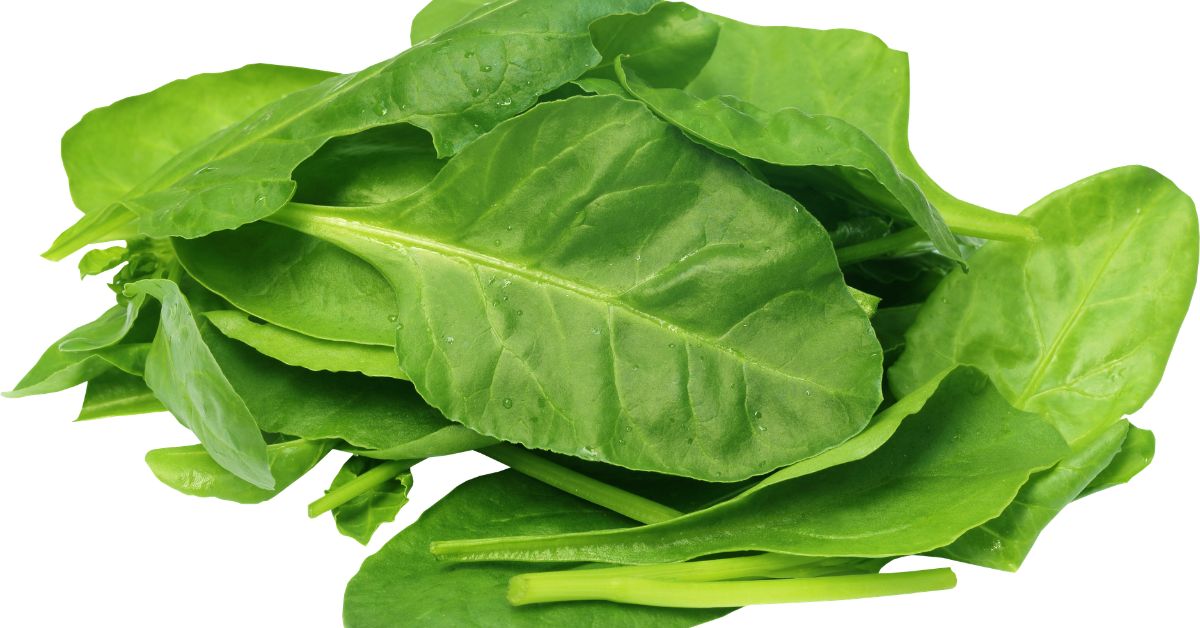
1. Spinach and Leafy Greens: Leafy greens, such as spinach and kale, are filled with water-soluble B-vitamins, which are essential for cellular repair and DNA synthesis. Clinical studies have found that low folate levels in men create difficulty in producing healthy and stable sperm. This leads to a lowering of the sperm count.
Spinach has a higher concentration of folate, which promotes smooth cellular division and a higher volume of properly shaped sperm. In addition, a higher dosage of magnesium is also found in spinach, which is a key factor for boosting testosterone naturally. Therefore, regularly consuming cooked spinach and leafy green salads helps improve sperm count.
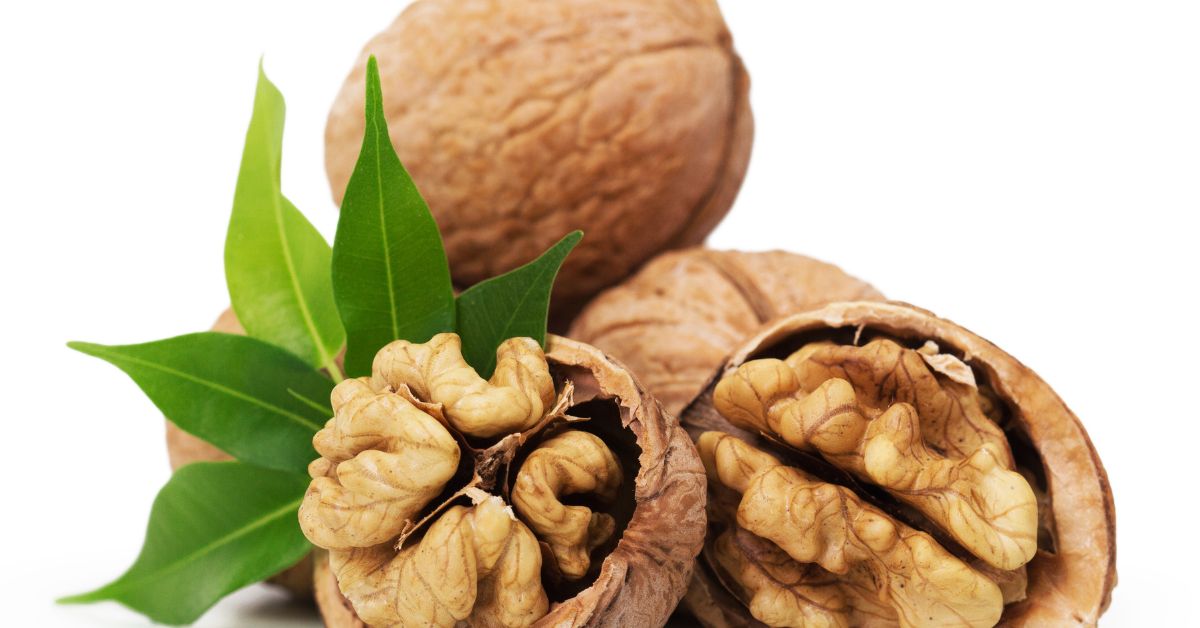
2. Walnuts: Also known as the “powerhouse for male reproductive health”, walnuts are one of the best foods to boost male fertility. It consists of healthy fats that integrate effectively into the sperm cell membrane, which in turn improves fluidity and flexibility of the sperm. The role of sperm flexibility is significant because it increases the ability of the sperm to effectively reach and fertilize a female’s egg.
According to a report published on the BBC, men who included walnuts in their diet for more than 12 weeks experienced improved sperm shape, movement, and vitality. Therefore, by adding a handful of walnuts to the daily routine, male fertility can be effectively boosted.
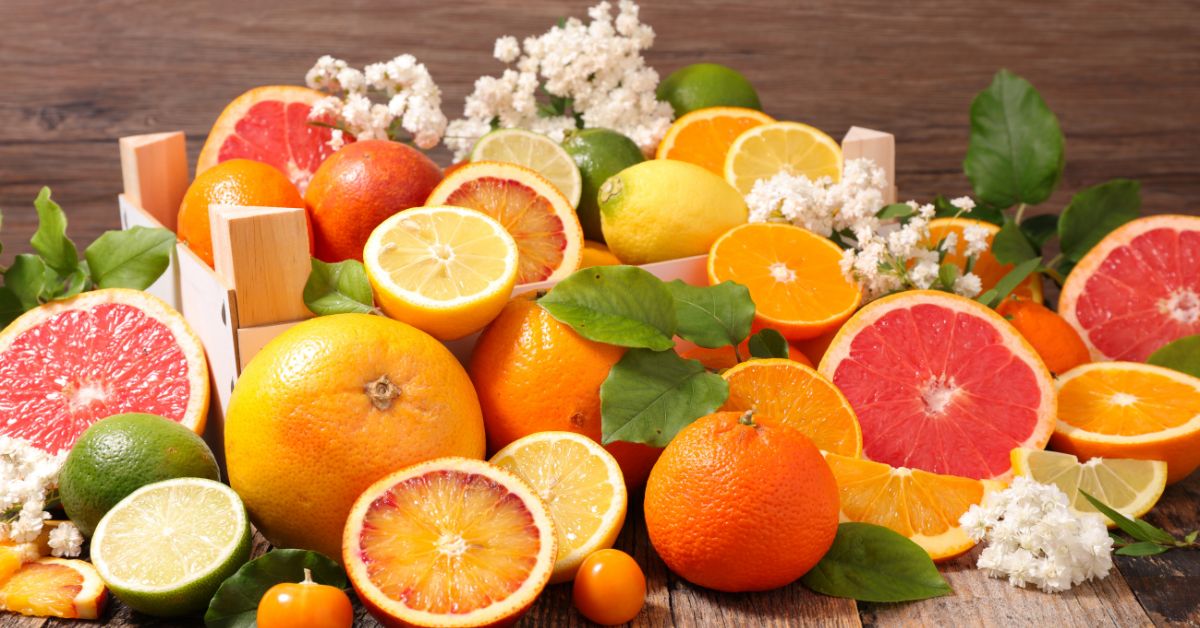
3. Citrus Fruits: It is a well-known fact that citrus fruits, such as lemons, oranges, grapefruits, and limes, are rich in vitamin C. Vitamin C acts as a critical antioxidant that is found in higher concentration in seminal fluid. The role of vitamin C is crucial in terms of protecting male fertility because it aggressively neutralizes free radicals that cause oxidative stress.
Vitamin C in citrus fruits help keep the seminal fluid clear and free from clumping. Therefore, the sperm remain highly motile and active through the consumption of citrus fruits. It is highly recommended to start your day with a glass of orange juice or to add lemon slices to your water so that your total sperm count can be boosted.
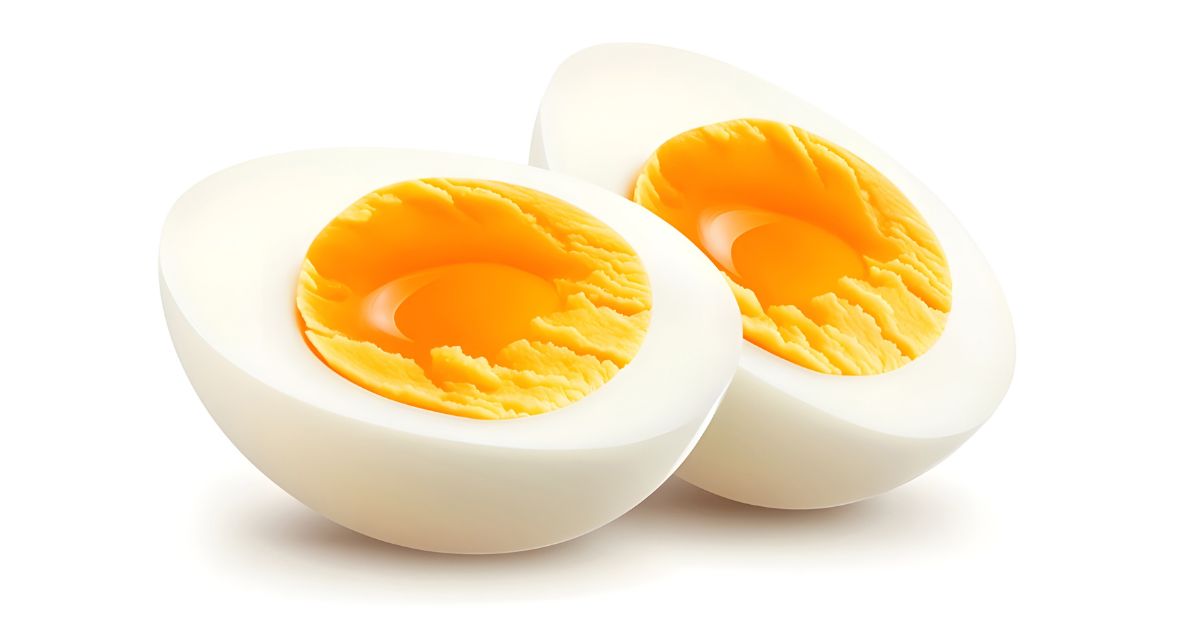
4. Eggs: Eggs are known for their high protein content, which provides essential amino acids required for building a healthy sperm structure. In addition, eggs contain selenium and vitamin E, which protect sperm cells from the devastating effects of radical damage. Clinical studies have found that vitamin E preserves the cellular wall of the sperm, which in turn ensures that it remains strong and mobile.
On the other hand, selenium improves sperm motility by providing the strength required to swim effectively. Vitamin B and choline are also in abundance in eggs, which optimize cellular energy and metabolism. Including two eggs daily in your breakfast establishes a solid nutritional foundation that actively supports a healthy sperm count.
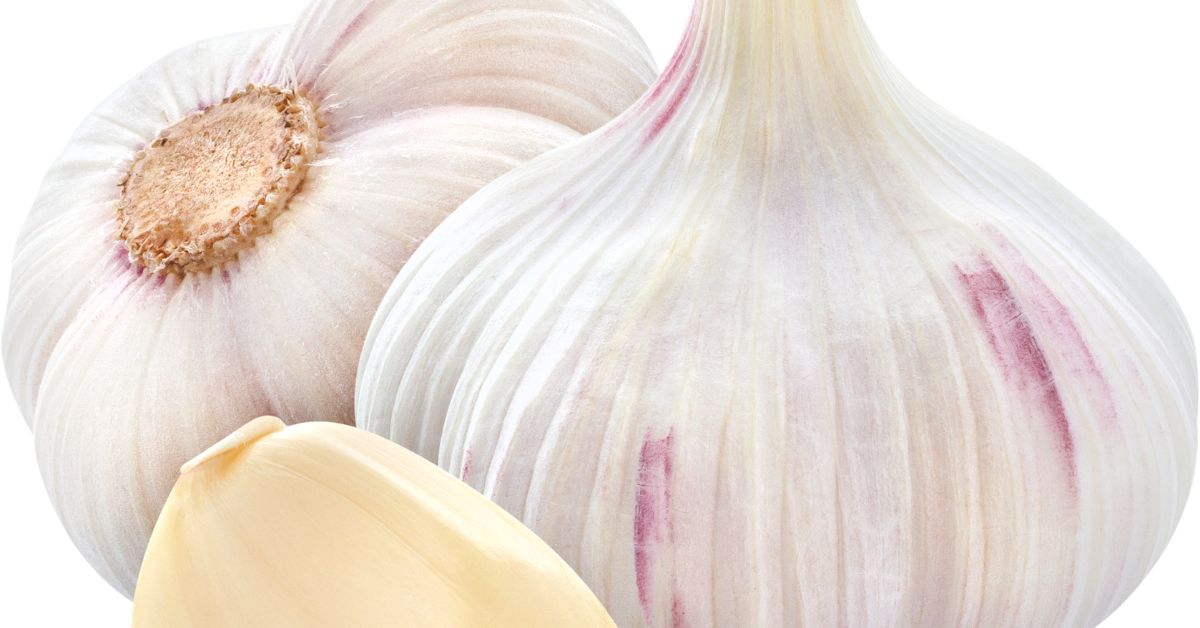
5. Garlic: Garlic is highly beneficial for your internal reproductive system because it contains selenium and allicin, which are two highly potent compounds. Allicin is a compound that dramatically improves blood circulation throughout the entire body. Thus, it ensures that the delicate tissues responsible for producing sperm have all the nutrients required to function effectively.
On the other hand, selenium acts as a natural antioxidant that prevents sperm breakage and improves motility. In addition, garlic contains vitamin B6, which regulates hormones and strengthens the immune system. Overall, including fresh crushed garlic into your daily cooking routines help in reducing cellular inflammation and creates an ideal environment for generating millions of string sperm cells.
6. Bananas: Bananas are a highly convenient and effective food to improve male fertility. This is because it contains a highly beneficial enzyme known as bromelain, which naturally regulates male sex hormones and fights chronic inflammation. In addition, bromelain helps the body to recover from physical fatigue, which in turn ensures uninterrupted sperm production.
Bananas are also incredibly rich in Vitamin A, Vitamin B1, and Vitamin C. This combination of vitamins boosts the body’s ability to produce high volumes of healthy sperm cells. On the other hand, the high potassium content regulates blood pressure and enhances cellular energy levels. Fertility specialists highly recommend eating one or two bananas daily to enhance sperm count.

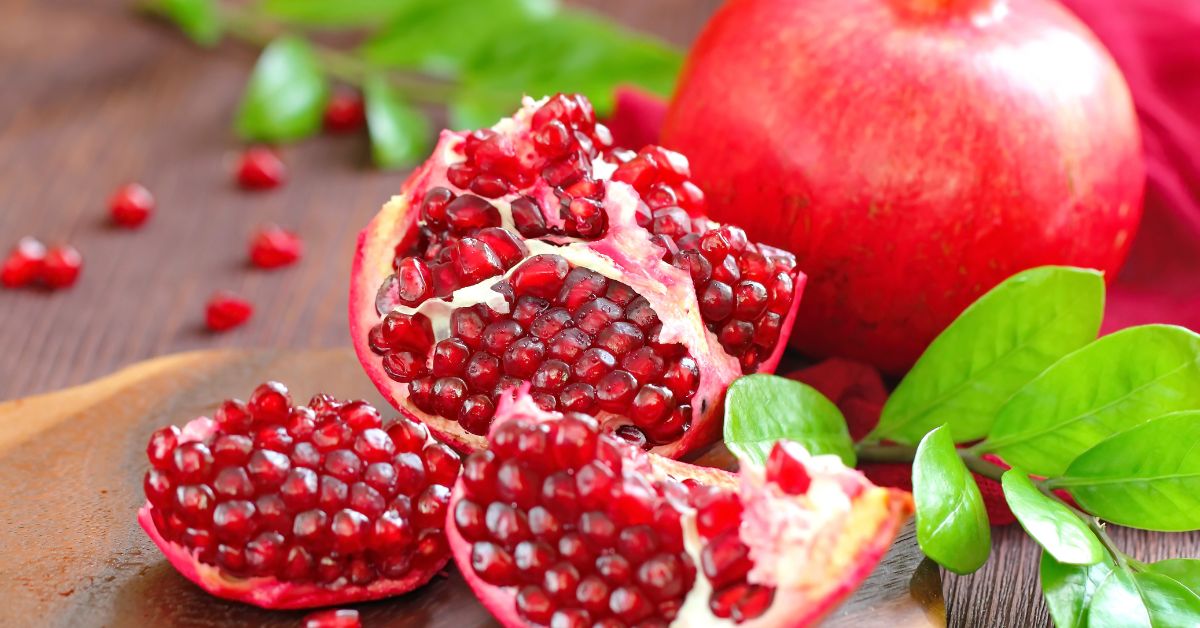
7. Pomegranates: If you are looking for a diet to increase fertility in males, including pomegranates is an excellent strategy. This fruit is packed with polyphenols and punicalagins, which are ultra-powerful antioxidants that directly target oxidative stress in the pelvic region. Clinical studies have found that drinking pure pomegranate juice can reduce the levels of a toxic compound named malondialdehyde, which is responsible for damaging sperm quality.
In addition, pomegranates significantly boost blood circulation to the testes, stimulate testosterone production, and improve erectile dysfunction. Overall, this fruit increases both sperm count and swimming speed by acting as a natural shield, which protects your sperm from premature aging.
8. Dark Chocolate: Along with being a delightful treat, dark chocolate offers significant benefits to male reproductive health. However, the key is for the dark chocolate to contain at least 70% to 85% cocoa. It boosts male fertility by consisting of L-arginine, which is an amino acid found in incredibly high concentrations in raw cocoa beans. Several clinical studies have found that L-arginine triggers semen production and significantly increases sperm count.
Men can consume a small-to-moderate amount of dark chocolate every day to provide their reproductive system with essential nutrients that maximize sperm volume and density.

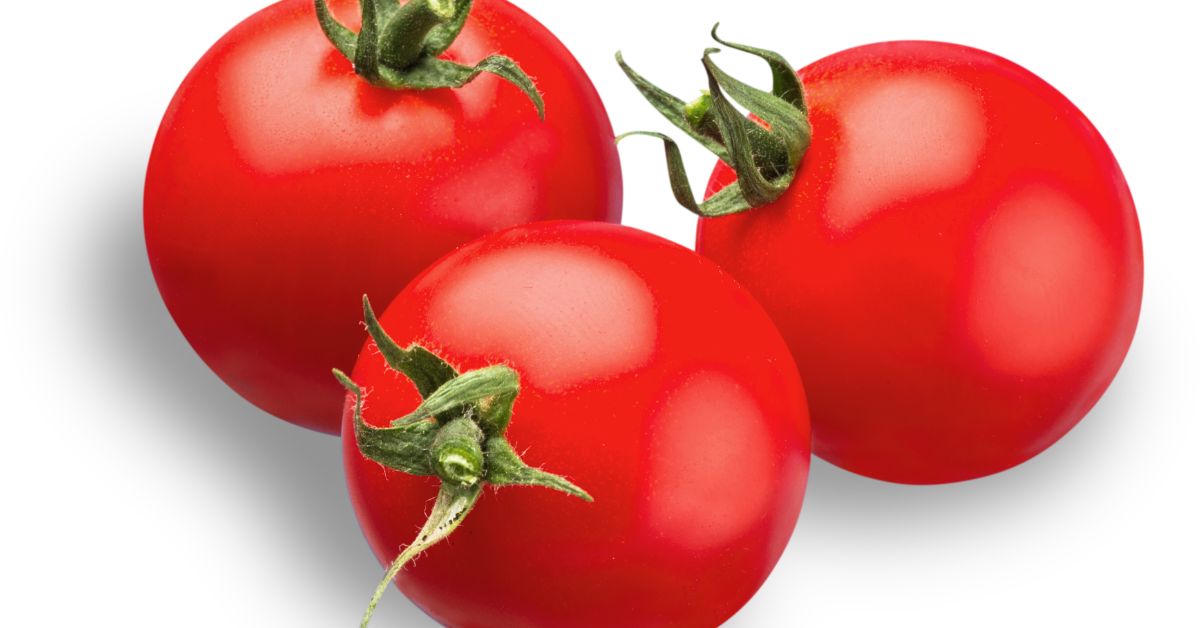
9. Tomatoes: Tomatoes have a high concentration of lycopene, which is a powerful antioxidant. This antioxidant has a tremendously positive impact on the male reproductive tract. According to a research study by Babaei et al. (2021), lycopene is a powerful antioxidant that helps improve infertility in males. Regular consumption of lycopene has been proven to increase sperm count by up to 70%.
One of the most interesting aspects is that cooked tomatoes make it easier for the body to absorb lycopene. Therefore, it is highly recommended to incorporate cooked tomato sauces, roasted tomatoes, or homemade soups into your weekly meals to optimize sperm count and structural integrity.
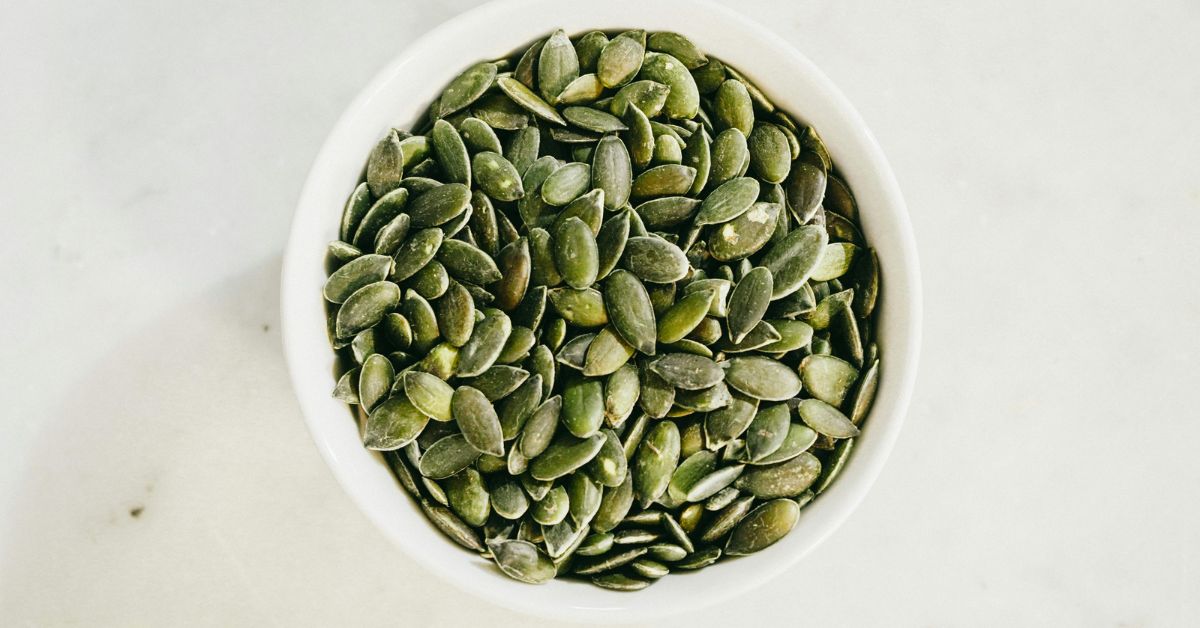
10. Pumpkin Seeds: Pumpkin seeds are an excellent source of zinc, which is one of the most important minerals for the longevity of male’s reproductive health. This is because zinc is found in higher quantities in semen and testes. Thus, a deficiency in zinc can lead to decreased testosterone levels and sperm counts. In addition, pumpkin seeds provide a healthy dose of phytosterols, which balance hormone production, and omega-3 fatty acids, which optimize blood flow.
Therefore, fertility doctors highly recommend eating a small handful of raw or roasted pumpkin seeds daily to ensure an abundant supply of zinc, which in turn boosts testosterone levels and multiplies sperm count.
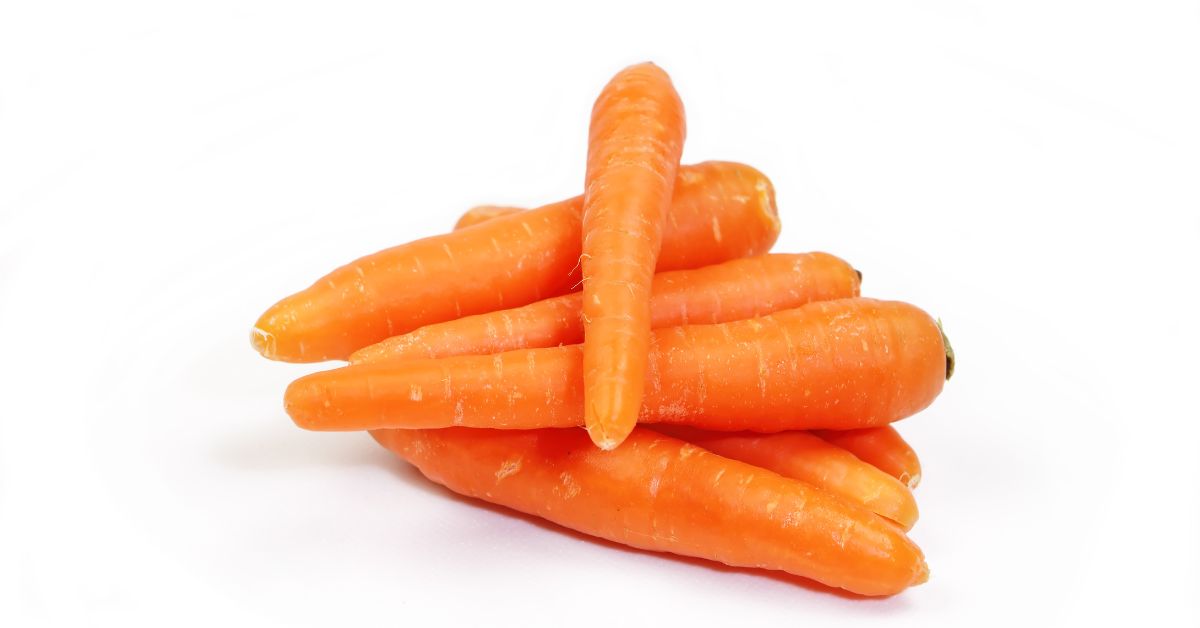
11. Carrots: Carrots are rich in beta-carotene, which is a powerful carotenoid antioxidant that the human body easily converts into Vitamin A. Clinical research and studies have found that beta-carotene has a significantly positive impact on sperm motility. According to a report by Times of India, carrots can improve sperm performance by between 6.5 and 8 per cent.
In addition, carrots contain high levels of vitamin C and fiber, which promote a healthy metabolism. Therefore, you can add carrots to your diet by eating them raw, adding them to juice, or roasting them so that the vital nutrients can be consumed in an adequate amount.
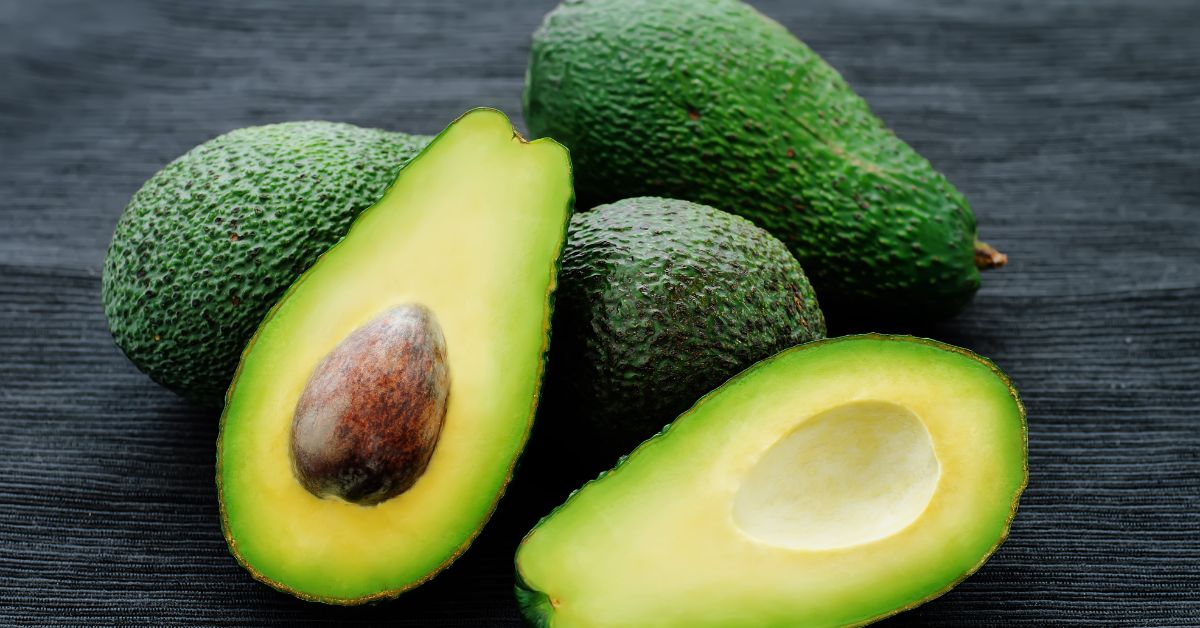
12. Avocados: Avocados are loaded with monounsaturated fats, Vitamin E, and Vitamin B6. The monounsaturated fats naturally boost the cardiovascular system, which in turn ensures optimal blood flow to the pelvic region. On the other hand, Vitamin E acts as a lipid-soluble antioxidant that protects the sperm cell walls against cellular oxidation. Vitamin B6 plays a vital role in terms of stabilizing male hormone levels and reducing psychological stress.
In addition, avocados are rich in potassium and folate. Therefore, consuming avocados daily, either in your salad or in a smoothie, is crucial for dramatically enhancing sperm count, morphology, and overall male fertility.
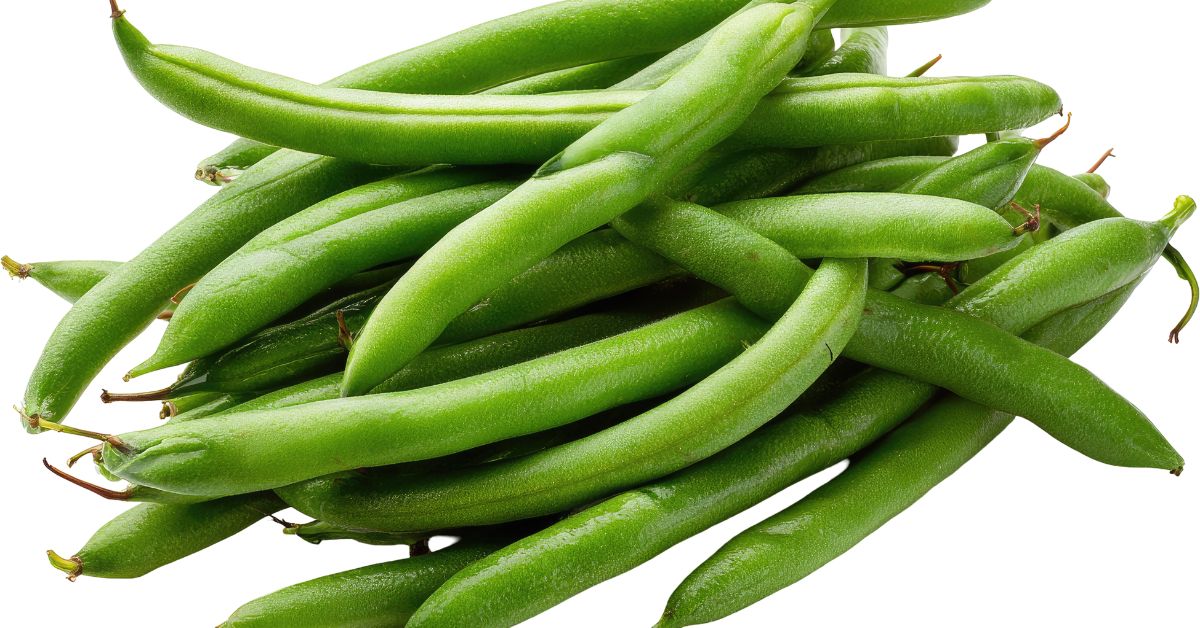
13. Lentils and Beans: If you are looking to include plant-based options in your diet to boost male fertility, lentils, chickpeas, and various beans are ideal choices. This is because they are packed with natural folate, which helps in preventing DNA fragmentation in sperm cells. In addition, lentils are an excellent source of plant-based protein and dietary fiber, which help regulate blood sugar levels and maintain a healthy body weight.
Zinc and iron are present in high amounts in lentils, which is crucial for supporting overall energy and cell division. By adding beans to your meals and consuming a bowl of lentil soup, you can reduce systemic inflammation and support the continuous production of healthy sperm.
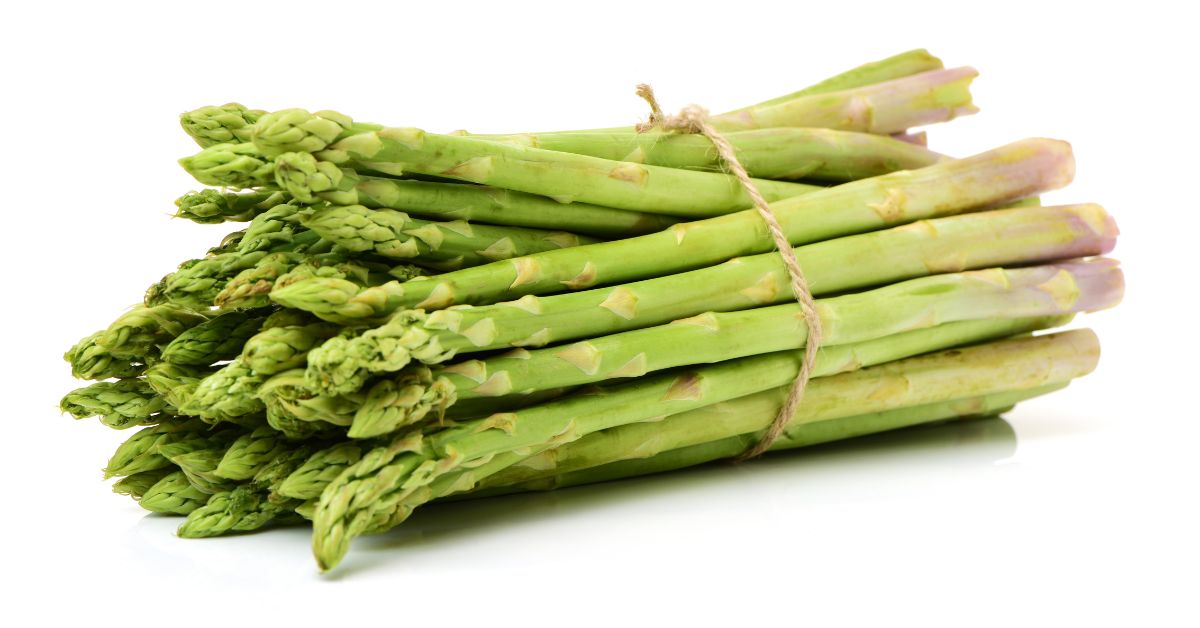
14. Asparagus: This is a gourmet vegetable with a high concentration of vitamin C, folate, and other antioxidants. The high concentration of vitamin C in asparagus protects the delicate cells of the testes from the harmful effects of oxidative stress and environmental toxins. On the other hand, the rich folate ensures that the genetic material inside the sperm is healthy, which is crucial for preventing birth defects.
Overall, asparagus acts as a natural diuretic, which clears out the harmful toxins from the body and reduces inflammation. Therefore, adding grilled or steamed asparagus to your dinner plate a few times a week can create the ideal biological environment for high-quality sperm creation.
15. Fatty Fish: Fatty fish such as salmon, mackerel, sardines, and tuna are premier sources of high-potency omega-3 fatty acids. These essential fatty acids are the fundamental building blocks used to construct the membranes of sperm cells. Consuming an adequate amount of omega-3 helps in creating sperm with ideal structural characteristics. In addition, fatty fish are an excellent source of vitamin D. Low levels of vitamin D in men can lead to poor semen quality and low testosterone levels in men.
The healthy fats in salmon reduce arterial plaque and improve total cardiovascular circulation. Therefore, it is highly recommended to eat fatty fish twice a week to optimize overall testosterone production and maximize your total sperm count.

Lifestyle Tips To Increase Sperm Count & Improve Male Fertility
Here are some additional lifestyle tips that help increase sperm count and improve male fertility:
- Manage Stress & Prioritize Quality Sleep: Chronic psychological stress is one of the major reasons for high cortisol. This stress hormone suppresses testosterone and disrupts sperm production. Therefore, it is highly recommended to sleep for 7 to 8 hours every night and practice meditation or deep breathing.
- Maintain a Cool Scrotal Temperature: Testes must remain about 2 to 3 degrees Celsius cooler than the rest of the body to produce healthy sperm. Therefore, you need to avoid hot tubs and saunas, along with switching from tight underwear to loose, breathable boxers.
- Quit Smoking & Limit Alcohol: Cigarette smoking fills the body with cadmium and lead, which causes severe oxidative stress and breaks down sperm DNA structures. On the other hand, heavy drinking lowers testosterone. Fertility specialists strongly advise quitting smoking and limiting alcohol to one to two drinks per week.
- Keep a Healthy BMI: Being significantly overweight or underweight creates hormonal imbalances that crush male fertility. In addition, excess fat converts testosterone into estrogen, which lowers sperm count. Therefore, a healthy body mass index (BMI) needs to be maintained through a balanced diet.
- Exercise Regularly: Weightlifting and regular cardiovascular exercise are proven to boost testosterone levels and enhance antioxidant defense mechanisms in the body. Both of these factors are responsible for better sperm concentration. Engaging in 30 to 45 minutes of moderate exercise for 5 days a week is the best practice.
Final Thoughts
The growing cases of male infertility in India are primarily driven by air pollution, poor diets, sedentary modern lifestyles, and increased exposure to toxic environmental factors. The 15 foods mentioned in this blog can address the male infertility issue to a large extent when combined with lifestyle changes and clinical intervention.
By filling your plate with nutrient-dense foods and eliminating harmful habits, you can take active control of your reproductive health. Since environmental factors, such as pollution, are often out of our control, your diet and daily routines are firmly in your hands.
Get in touch with the best fertility expert near you now to get a clear, accurate assessment of your reproductive health.
FAQs
Q. How long do dietary changes take to improve sperm quality?
Answer: It takes approximately65 to 75 days for a new sperm cell to fully develop and mature. Therefore, after making dietary changes, you will see noticeable improvements in your semen parameters after 3 months, provided you maintain consistency in healthy eating habits.\
Q. What are the worst foods for male fertility?
Answer: Some of the worst foods for male fertility are processed meats (like sausages and bacon), trans fats, fried foods, soy-based products, and excessive sugar. This is because these foods trigger systemic inflammation, spike insulin levels, and lower overall testosterone production.
Q. Why is zinc considered the most critical mineral for male fertility?
Answer: Male testes have a heavy concentration of zinc, which plays a vital role in cell division, testosterone production, and compiling the physical structure of the sperm. Therefore, adding zinc-rich food to the diet is an incredibly effective way to boost male fertility.
Q. Can coffee or energy drinks affect male fertility?
Answer: Moderate caffeine intake (about 1 to 2 cups of coffee a day) does not drastically harm fertility. However, excessive caffeine consumption, especially from sugary energy drinks and sodas, increases the risk of sperm DNA fragmentation.
Q. When should a couple stop relying on diet and see a fertility specialist?
Answer: You should consult a medical fertility specialist if you are under 35 and have been trying to conceive for 12 months without success. The timeline reduces to 6 months if the female partner is over the age of 35. Remember, early diagnosis can help address medical issues that food alone cannot solve.
