


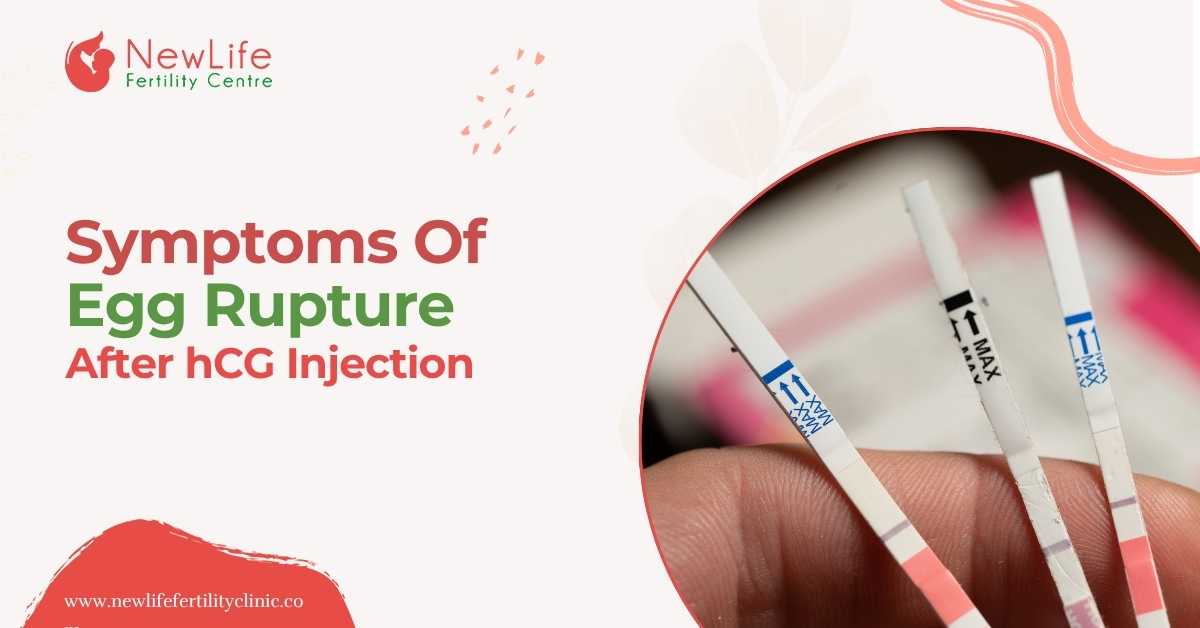



Ovulation is a natural process in a woman’s menstrual cycle that involves the release of a mature egg from an ovary. The symptoms that occur during ovulation are essential to know, as they allow you to understand your body and plan a pregnancy; there are several ways to track your fertile window and predict ovulation.
Although ovulation usually takes place on a particular day for each woman, every person has their own signs of ovulation and timing. Therefore, learning how to detect all the changes in your body and use the appropriate methods can help you distinguish your most fertile days easily.
What is ovulation?
Ovulation is the ovarian event that involves the release of a mature egg from an ovary that can subsequently travel through the fallopian tube and meet the sperm that will fertilize it. In fact, the ovulation period is the most fertile time in a woman’s menstrual cycle, as conception is possible due to the possibility of sperm survival in the reproductive system.
In addition, it should be noted that for women with a regular menstrual cycle, the ovulation period is usually predictable, although the timing is different for each person. This is the basis for several methods of determining the fertile window in relation to the ovulation date.
Signs and symptoms that show you are ovulating:
Some people experience ovulation symptoms, while others do not feel significant changes in their bodies during this phase of the menstrual cycle. Ovulation may include:
- Changes in cervical mucus:
Egg white mucus is another sign of ovulation that indicates the likelihood of ovulation, in conjunction with changes in basal body temperature and cervical position. Specifically, as a sign of fertility, mucus changes as it becomes wetter and more slippery after ovulation.
- Slight pain or discomfort in the pelvis or abdomen:
A sharp pain or pressure on one side of the lower abdomen, known as Mittelschmerz, can also be an ovulation symptom. This dull ache is caused by the expansion of the ovarian follicles and often disappears after a day or two, but some people may not feel it.
- Changes in basal body temperature:
During ovulation, there is an increase in the basal body temperature (BBT) of 0.5 to 1 degree Fahrenheit or Celsius. To track your BBT, you can buy a thermometer and take your temperature every morning before going to work.
- Increased breast tenderness or pain:
Changes in breasts and increased sensitivity of their tissues are also typical ovulation signs that are caused by a surge in estrogen and progesterone levels. Furthermore, it should be noted that sensitive breasts are a common sign of both ovulation and the menstrual period.
- Increase in the desire for sex:
A noticeable increase in libido several days before ovulation is another reason why people track their fertile window using different methods. This desire to have sex is caused by estrogen dominance, but a person's interest in sex remains normal before menstruation.
Finally, many women feel bloated and experience mood swings or bursts of energy just before ovulation. Moreover, this feeling is caused by changes in their hormones, so it cannot be used as a symptom of ovulation on its own, as it can also happen because of PMS.
Methods for tracking your fertile window:
There are numerous opportunities to know the dates of your most fertile period, including understanding your menstrual cycle and learning the common ovulation symptoms, such as breast soreness, increased sexual desire, bloating, and pain in the lower abdomen. However, using only one of these signs is not enough to indicate ovulation. Therefore, the basis for determining your most likely fertile days is tracking your ovulation using several independent methods.
Track your menstrual cycle:
The most effective way to determine the ovulation date is to track your menstrual cycle. Specifically, you should monitor the first day of your period using a calendar or application. After several months of ovulation tracking, you will be able to predict the ovulation date based on the length and regularity of your menstrual cycle.
However, note that this method may not work if you have an irregular menstrual cycle. In addition to the physical signs of ovulation, you can use other methods to detect ovulation when trying to conceive.
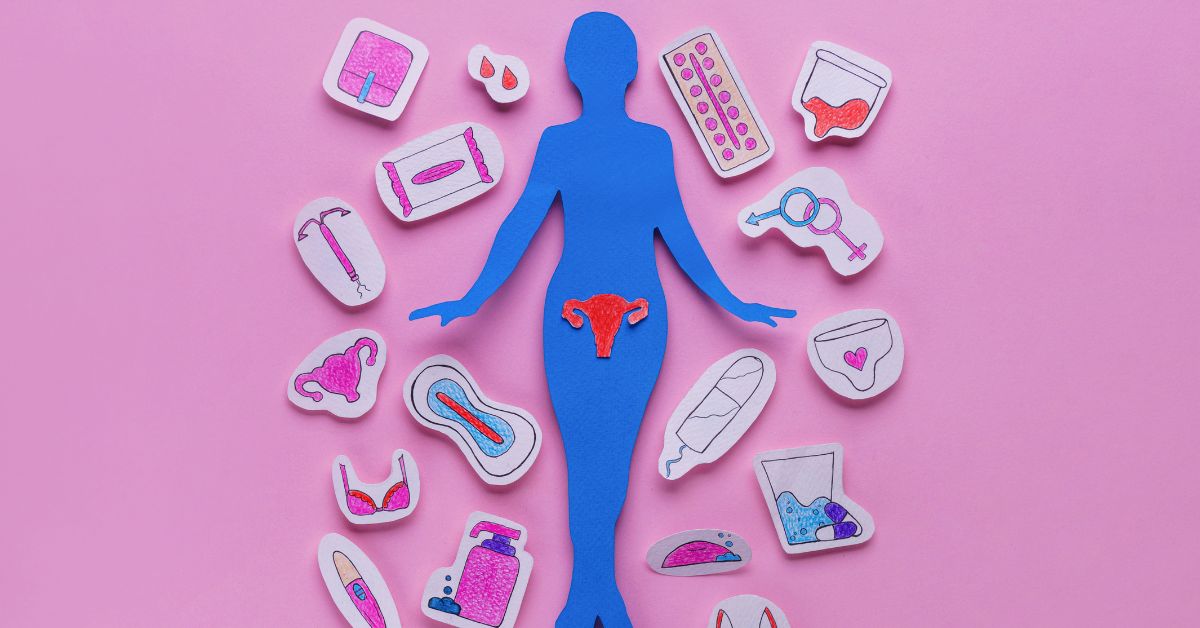
Observe the cervix, particularly the cervical mucus:
Another method for determining the fertile window is to pay attention to the changes in your cervical mucus during the menstrual cycle.
By observing it regularly before ovulation, you can notice the changes in its volume, texture, colour, and transparency. In fact, when the time of ovulation approaches, the cervical mucus becomes wetter, clearer, and more slippery. This is an ovulation sign that indicates fertility, as it creates favourable conditions for conception due to the increased motility of sperm.
Monitoring the basal body temperature:
As mentioned above, one of the ovulation symptoms is an increase in basal body temperature. The reason for the change in body temperature is that after ovulation, estradiol and progesterone increase in the body due to the formation of the corpus lecteum.
Using a thermometer to measure your temperature several times during your menstrual cycle will allow you to determine the date of the most recent ovulation. This is the most reliable method only after ovulation has occurred, which is why it is essential to track not only temperature changes but also other signs of ovulation.
Lastly, you can consider using an ovulation predictor kit to track your ovulation and conceive faster. These tests are the simplest and most reliable way to identify the most probable ovulation date, as changes in estrogen and luteinizing hormone ( LH ) indicate that the ovum will soon enter the fallopian tube.
Combine different methods to know the fertile window:
All the described methods allow you to determine the approximate date of ovulation, but for more accurate results, you should combine different approaches to track your fertile window rather than rely on one ovulation symptom or method. For example, you can use the temperature method in conjunction with observations of cervical mucus and the calendar calculation to predict the most likely date of ovulation.
Pay attention to changes in your cycle:
Understanding your cycle can help to make it easier to detect changes associated with ovulation. Keeping track of the first day of your period, the length of your cycle, changes in cervical mucus, basal body temperature, and any symptoms you may experience can help to determine patterns of ovulation. Changes in cycle patterns are common as a result of factors such as stress, illness, weight changes, travel, irregular sleeping patterns, and hormonal imbalances.
Therefore, an ovulation date should only be considered an estimate. If your cycles are often irregular or you are unable to detect any signs of ovulation, a fertility specialist will be able to help you to determine if ovulation is occurring and the best way for you to track it.
Final Thoughts
In conclusion, tracking your ovulation is an opportunity to become acquainted with your body and the signs of ovulation, as well as to identify your most fertile days for a possible pregnancy. By comparing changes in basal body temperature, cervical mucus, and menstrual cycle, among other ovulation signs, you will be able to determine your fertile days.
If you are considering a medically assisted pregnancy but need ovulation detection assistance, we recommend that you consult the experts at New Life Fertility Centre. We are ready to support you in all stages of your fertility journey.
FAQS:
1. What are common signs of ovulation?
Common signs of ovulation can include changes in cervical mucus, pelvic discomfort, breast tenderness, changes in libido, and a slight increase in basal body temperature after ovulation; however, not all people will experience these signs and symptoms. Some periods begin; therefore, experiencing one or more of these symptoms is not an indicator of ovulation.
2. How can you track my fertile window?
Keeping track of your menstrual cycle is a good way to begin understanding your fertility. Paying attention to your cervical mucus can be a helpful tool to track your fertile period, as it often becomes wetter, more slippery, and clearer throughout the time of ovulation.
Tracking your body temperature and using ovulation predictor kits can also help. Using more than one method for ovulation tracking can help to give a stronger sense of when you may expect to ovulate next based on your cycle.
3. Does ovulation always occur on the same day of the menstrual cycle?
No. Although a menstrual cycle should be generally regular once a pattern is established, ovulation can occur on different days depending on a range of factors such as stress, illnesses, and travel. Therefore, relying on a specific day of the month to ovulate may not be an effective way to track your ovulation.
4. Can you ovulate without experiencing any of the known symptoms of ovulation?
Yes, Everyone’s body is different, and some people may experience fewer symptoms that other or may not notice any symptoms at all. This does not mean that you are not ovulating or that ovulation is not occurring. Symptoms of ovulation cannot be relied on as the sole indicator of ovulation.
5. Is cervical mucus a good indicator for ovulation?
Cervical mucus is often a good indicator of fertility, as it tends to change throughout a menstrual cycle, with most people noticing that it becomes wetter, slipperier, and clearer around the fertile window. However, it should not be relied on as the only indicator of ovulation.
