






Pregnancy can be stressful when you discover an irregularity during your ultrasound. After waiting to take a pregnancy test, hearing “T-shaped Uterus Pregnancy” can open a floodgate of questions. Can the baby grow? Will I need special care? Can I have a normal delivery? An irregular uterine shape does not always dictate the course of pregnancy. By learning about this irregularity and receiving individualised care, women can receive the guidance they need to navigate their pregnancies.
What is a T-shaped Uterus?
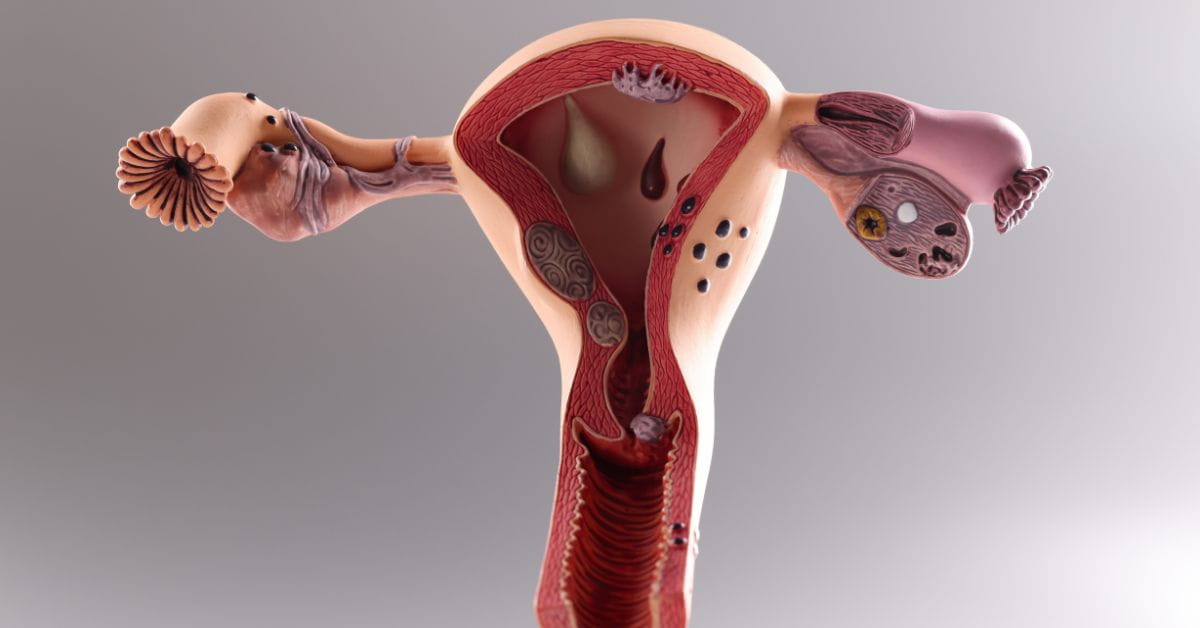
A T-shaped uterus is a uterine abnormality in which the uterine cavity is narrow, often due to lateral thickening. This irregularity is also called a dysmorphic uterus or U1(based on European classification systems).
Women can be born with this irregularity or develop it due to scarring from intrauterine injury or interventions.
Women with this irregularity can have normal menstrual cycles and show no symptoms. As a result, this irregularity is often discovered during infertility evaluations, pregnancy loss investigations, ultrasound, or hysteroscopy.
Can it Affect Fertility?
It can, although the relationship between uterine shape and fertility is not completely understood. A narrow cavity may affect implantation or placental development, but doctors do not assume that the uterine shape is the only reason someone has difficulty conceiving.
Research on hysteroscopic correction has reported encouraging outcomes, although many studies involve small groups. One IVF study found comparable pregnancy and live-birth outcomes after hysteroscopic correction when compared with women without uterine abnormalities.
Other studies have reported improved reproductive outcomes after correction in selected women with infertility or repeated pregnancy loss.
Fertility care should remain individualized. A doctor may assess several factors before recommending treatment, including:
- Ovarian reserve
- Sperm health
- Fallopian tube condition
- Endometriosis or other reproductive conditions
- Age and reproductive history
- Previous miscarriages or implantation failure
Pregnancy Risks to Know About
Women with a T-shaped cavity should receive close supervision during pregnancy. With that said, women with this irregularity are not doomed to have a complicated pregnancy.
Women with this irregularity are at higher risk of:
- Miscarriage:Several studies have shown an increased risk of miscarriage in women with dysmorphic uteruses, although the evidence is inconsistent.
- Placental abnormalities:This irregularity can alter the implantation site and placental development. Doctors may keep a particularly close eye on the placenta during pregnancy.
- Fetal growth restriction: If placental function is compromised, doctors may have heightened concern about the fetus’s growth.
- Preterm Birth: Obstetrical complications can arise in women with abnormal uterine shapes. Doctors may be more alert to preterm labour indications.
- Malpresentation:This irregularity does not guarantee these complications, but women with this irregularity should be aware of them.
The presence of this irregularity does not guarantee these complications, but women with this irregularity should be aware of them.
How Is Pregnancy Monitored?
Once a woman becomes pregnant, the emphasis switches to ensuring the health of the mother and the fetus. Your doctor will plan your pregnancy scans based on your specific needs instead of using the same schedule for everyone.
A doctor may advise on:
- Early scans to confirm the viability of the fetus, its gestational age, and its health.
- Subsequent scans to assess fetal well-being, placental health, and fetal growth
- Cervical length monitoring, if indicated.
- Routine antenatal checks such as blood pressure monitoring and recommended pregnancy tests.
- Additional fetal monitoring later in pregnancy if growth, placental function, symptoms, or another concern.
Regular appointments help identify changes early. Sometimes the doctor can recommend extra scans. However, it does not necessarily mean something is wrong. They can provide reassurance and useful information for planning.
T-shaped uterus and pregnancy treatment should never follow a fixed formula. It depends on whether the condition affected fertility before conception, whether the abnormality is acquired, and what the pregnancy looks like now.
What Does Care During Pregnancy Look Like?
No diet or home remedy can reshape the uterus during pregnancy. However, your goal is to support maternal health and provide appropriate medical supervision throughout the pregnancy. Some practical steps can help you stay on track:
- Keep every scheduled antenatal appointment
- Take prescribed prenatal vitamins or supplements according to your doctor’s advice.
- Eat balanced meals containing adequate protein, vegetables, fruits, legumes, whole grains, and other food groups.
- Exercise, if the doctor approves.
- Avoid cigarettes, alcohol, and recreational drugs.
- Consult the doctor before taking any medicines, supplements, or herbal remedies.
- Call the maternity clinic if one experiences spotting or bleeding, fluid leaking from the vagina, regular uncomfortable sensations in the abdomen or back around two weeks or more into pregnancy, persistent or severe discomfort in the belly, or reduced fetal movement after perceiving fetal movements.
- A woman should not put herself on bed rest unless a doctor recommends it specifically for a certain indication.
Does Treatment Happen Before Pregnancy?
It can be, if you have a significant T-shaped cavity and struggle with infertility, recurrent pregnancy loss, or implantation failure, doctors may recommend hysteroscopic metroplasty or other surgical interventions.
During hysteroscopy, the doctor inserts a scope into the uterus and can reshape the cavity to make it broader.
Surgical intervention should not be taken lightly. While the procedure has been studied with positive results in women with infertility andmiscarriage, the evidence is not consistent.
If you are pregnant or contemplating becoming pregnant, doctors will most likely focus on surveillance rather than recommending surgery to reshape the uterus. Any procedure performed during pregnancy should be considered carefully.
Planning For Delivery
If you have a T-shaped uterus does not automatically mean planning for a caesarean section. The delivery method depends on several pregnancy-related factors, particularly fetal presentation.
Other considerations include placental position and well-being, previous uterine surgery, cervical examination findings, and other obstetrical problems that may arise during pregnancy.
If the fetus is in a head-down position and there are no obstetrical indications to the contrary, a vaginal delivery may be considered. If the fetus is in breech presentation, or if the placenta, fetal well-being, or other issues suggest that vaginal delivery may not be safe, the doctor may recommend a caesarean delivery.
A woman should also inform her doctor about any previous surgeries on the uterus, as they may affect delivery planning.
What Can You Expect After Diagnosis?
An anatomical finding is not the same as a prediction. Some women with a T-shaped uterus conceive without fertility treatment and continue to have healthy pregnancies. Others may need fertility support or closer obstetric surveillance.
If you have just received the diagnosis, consider asking your doctor:
- How was the uterine shape diagnosed?
- Is it congenital or acquired?
- Does the cavity need further evaluation?
- Do I have other fertility factors that need attention?
- Do I need additional pregnancy scans?
- How will you monitor fetal growth and the placenta?
- Is there any reason my delivery plan may differ from usual?
Writing down these questions before your appointment can make the conversation easier. It can also help you understand why your doctor recommends particular tests, scans, or precautions.
Final Thoughts
Learning that you have a T-shaped uterus can bring questions, but with the right care and monitoring, pregnancy can still progress well. You may wonder whether you will be able to conceive. Whether you will need additional ultrasounds during pregnancy, or whether you will have to have a caesarean delivery. With the help of a doctor, women can allay their fears.
An individualised strategy for fertility evaluation and treatment, enhanced maternal surveillance during pregnancy, and delivery planning can help women with a T-shaped uterus have a pregnancy that unfolds as expected.
If you are considering visiting a fertility clinic but do not know where to start, T-shaped Uterus treatment at Newlife Fertility Centre can connect you with a specialist who can devise a personalised treatment plan. Every pregnancy is different, and each woman with a T-shaped uterus should receive care that is appropriate for her unique circumstances.
FAQs
1. Can I have a healthy pregnancy with a T-shaped Uterus?
Yes, a woman having a T-shaped uterus does not automatically mean that she cannot have a healthy pregnancy. The outcome depends on the characteristics of the woman’s abnormality, as well as a number of other variables.
2. Does a T-shaped uterus always cause infertility?
No, some women conceive naturally despite having this irregularity. When evaluating a woman for infertility, a doctor must rule out other causes.
3. Can I have a vaginal delivery?
It may be an option. A woman should discuss the delivery method with her doctor. The shape of the uterus is only one factor in determining the mode of delivery. Fetal presentation, placental location, the well-being of the fetus, and other considerations are also relevant.
4. Will I need extra ultrasounds during pregnancy?
Possibly, your obstetrician may recommend additional scans to monitor fetal growth, the placenta, or other findings. The schedule should reflect your individual situation rather than follow a standard pattern for everyone.
5. Can a T-shaped uterus be treated?
Depending on the circumstances of the woman’s situation, doctors can recommend metroplasty. This procedure can enhance fertility and pregnancy outcomes in some women with an irregularity. A specialist in fertility or reproductive surgery should evaluate a woman to determine whether she is a candidate for this procedure.

