



Keeping an eye on your menstrual cycle is crucial if you're trying to get pregnant. On the other hand, irregular periods can lead to confusion, stress, and fertility-related worries among people trying for pregnancy.
Irregular periods can affect your ability to conceive, but they may not directly affect conception. With the right medical support and expert advice, many women with irregular cycles are able to conceive naturally. For optimum fertility treatment in Siliguri, you might visit Newlife Fertility Centre.
Irregular Periods: Overview
The fact is that a normal menstrual cycle lasts about 28 days, even though the cycle can last anywhere from 21 to 35 days, and periods are defined as irregular when:
- The menstrual cycle's duration varies greatly from month to month
- Periods don't happen every 21 days
- The duration of menstrual periods exceeds 35 days
- For a few months, you don't get your cycles
- Your period flow/ cycle is very mild/ light or very heavy
- The duration of your period varies greatly
Ongoing irregular periods could be a sign of an underlying medical issue that could impact fertility, so speak with your gynecologist as soon as possible.
How Do Irregular Periods Affect Pregnancy Chances?
There’s no doubt, period irregularities usually indicate irregular ovulation. The process by which an ovary releases an egg to enable fertilization is what we call ovulation.
If ovulation occurs irregularly or infrequently, it may be more challenging for women or couples to:
- Determine the fertile days
- Make good use of time for sexual activity
- Reach conception naturally
Anovulation is a medical term that means no egg is released throughout the cycle and may occasionally be indicated by irregular periods. Pregnancy is impossible if a woman isn’t ovulating.
But people get their pregnancies even if their periods are irregular. Here, knowing the root/ definitive cause is really vital, and this can frequently improve reproductive outcomes.

What Can Cause Period Irregularities and Fertility Issues?
Multiple factors can cause trouble with your menstrual cycle, leading to irregularities.
PMOS/ Polyendocrine Metabolic Ovarian Syndrome
One of the main causes of irregular periods and infertility is PMOS, and hormonal abnormalities that disrupt regular ovulation are caused by PMOS.
Common signs and symptoms include:
- Periods that are irregular or absent
- Overgrowth of body or facial hair
- Acne
- Gaining weight
- Having trouble losing weight
- Cystic growth in and on the ovaries
Many women with PMOS successfully conceive because of simple and healthy lifestyle changes and fertility medications, even though the condition might affect fertility.
Chronic Stress
Stress has been a culprit of may health concerns, and female fertility concerns due to stress are nothing uncommon. Your brain region in charge of controlling reproductive hormones, the hypothalamus, may suffer because of stress.
High amounts of stress can lead to:
- Ovulation delay
- Periods missed
- Unpredictable menstrual periods
You have to understand that stress isn’t often the single contributing factor to infertility. So, focus on lifestyle choices, like stress management, to promote your general reproductive health.
POI, or Premature Ovarian Insufficiency
POI is when ovarian function deteriorates before the age of forty, and symptoms include:
- Irregular periods
- Sweats at night
- Flashes of heat
- Dryness in the vagina
Still, conception happens in many situations; women with POI may have low fertility, but they might conceive. Do consult your gynecologist or infertility specialist to receive expert advice and further help. Fertility treatment in Siliguri or in any location depends mostly on the reason, the person’s health, and pregnancy goals.
Thyroid Disorders
Problems with the thyroid gland can disrupt reproductive hormone regulation
The two main types are:
- Underactive thyroid, or hypothyroidism
- Overactive thyroid, or hyperthyroidism
These can result in problems with ovulation and unpredictable menstrual cycles. Fertility is often improved, and regular menstrual cycles get better when thyroid issues are treated.
Extreme Weight Changes
Your body weight influences your hormone production. Being underweight can decrease ovulation. Hormonal abnormalities interfere with your menstrual cycle, which can result from obesity or poor body weight.
Pregnancy chances might be high, and cycle regularity can improve if you maintain a healthy body weight.
Excessive Workouts
Many times, intense exercise can interfere with fertility in females, and poor nutrition can affect hormone production; here, too much exercise may lead to:
- Delayed or missed periods
- Unusual cycles
- Ovulation delay
Restoring regular menstrual function is highly possible if you maintain a healthy diet and moderate exercise intensity.
Can Irregular Periods Lead to Pregnancy?
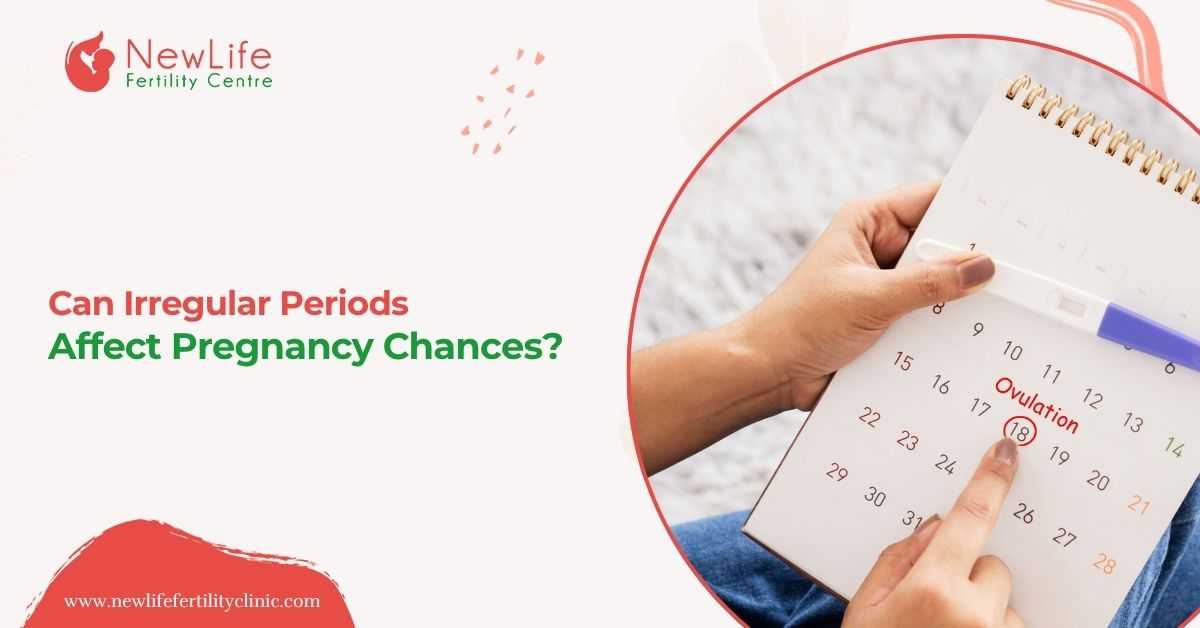
The primary difficulty is figuring out when ovulation takes place. While some women may benefit from medical assessment and fertility help, others may conceive naturally, or hardly they need a few lifestyle choices.
Pregnancy probability is mostly determined by:
- Whether ovulation is taking place
- The fundamental reason for irregular periods
- Age and general reproductive health
- Both partners' fertility status
How to Monitor Ovulation in Case of Unusual Periods
Monitoring ovulation is a vital step, as this might increase your chances of becoming pregnant if you're trying to conceive and have irregular cycles.
1. OPKs, or Ovulation Predictor Kits
These at-home tests help you identify the spike in luteinizing hormone (LH) that usually happens 24 to 36 hours before your ovulation. In order to know their reproductive window, women with extremely irregular cycles may need to test more regularly.
2. Charting Basal Body Temperature (BBT)
Yes, over time, you can identify ovulation patterns by taking your body temperature every morning before getting out of bed.
3. Cervical Mucus Monitoring
Changes in cervical mucus consistency may indicate the start of ovulation. Usually, fertile mucus turns transparent, slick, and stretchy, like egg whites, and using apps for tracking fertility can be of great help.
Now, you can track ovulation test results, temperature measurements, and cycle symptoms with a variety of smartphone apps. However, you have to understand that these apps may be less accurate for extremely irregular cycles.
4. Health Monitoring
When necessary, your doctor can advise ultrasound scans and blood tests to more accurately track your ovulation.
When Is It Time to See an Infertility Specialist or Gynecologist?
A healthcare provider should be consulted if:
- You don't get your period as often as every 35 days.
- You often don't get your period.
- Every month, your cycles change significantly.
- You've been unsuccessfully attempting to conceive for a whole year (or six months if you're over 35).
- Have significant/ heavy bleeding.
- Excruciating pelvic discomfort.
Treating Fertility and Irregular Periods – What are the Options?
The underlying reason for irregular menstruation determines the type of treatment you need or would be effective for you.
Changes in Lifestyle
Reproductive health improves with healthy lifestyle practices, and among them are:
- Sticking to a healthy diet
- Reaching a healthy weight
- Moderate exercise
- Effective stress management
- Getting enough rest
- Keeping from smoking, vaping, and binge drinking
Medications to Induce Ovulation
Your infertility doctor may recommend the following drugs if you have been diagnosed with ovulation issues:
- Injections of gonadotropin
- Letrozole
- Citrate of clomiphene
These therapies promote ovulation and raise the likelihood of getting pregnant.
Managing Your Underlying Conditions
Menstrual regularity improves, and fertility health improves by treating problems like PCOS, thyroid issues, or diabetes.
Assisted Reproduction Technology (ART)
Fertility specialists may suggest the following if other therapies don't work:
- IUI, or intrauterine insemination
- IVF, or in vitro fertilization
Chances of Getting Pregnant Despite Irregular Periods
If you're trying to conceive despite irregular cycles, consider the following strategies, as these may help you to a great extent:
- Monitor your ovulation (you can use apps).
- Have intercourse every two to three days during the cycle.
- Maintain a healthy lifestyle & control stress.
- Take prenatal vitamins that include folic acid (as prescribed by your doctor).
- Schedule a preconception examination.
- Seek medical advice as soon as possible if conception is not achieved.
You can identify issues and improve your chances of a successful pregnancy by taking simple initiatives (as mentioned above/ directed by your doctor).
Because irregular periods can signify erratic or absent ovulation, they can sometimes make your conception more difficult. But you should know that you can still become pregnant despite having irregular menstrual periods.
Final Words
Your reproductive outcomes will improve, but these need an understanding of the underlying reason for irregular periods. There are numerous efficient therapies available to treat trouble conceiving.
If you have been struggling with PMOS, thyroid issues, stress, weight fluctuations, or other medical illnesses, wise to seek doctors’ help and ensure routine checkups.
A healthcare professional or fertility specialist in Siliguri or near you can help you optimally in this case. So, feel free to share your health concerns with your healthcare provider for clear diagnosis and effective fertility treatment. Consult our doctor without delay.
