

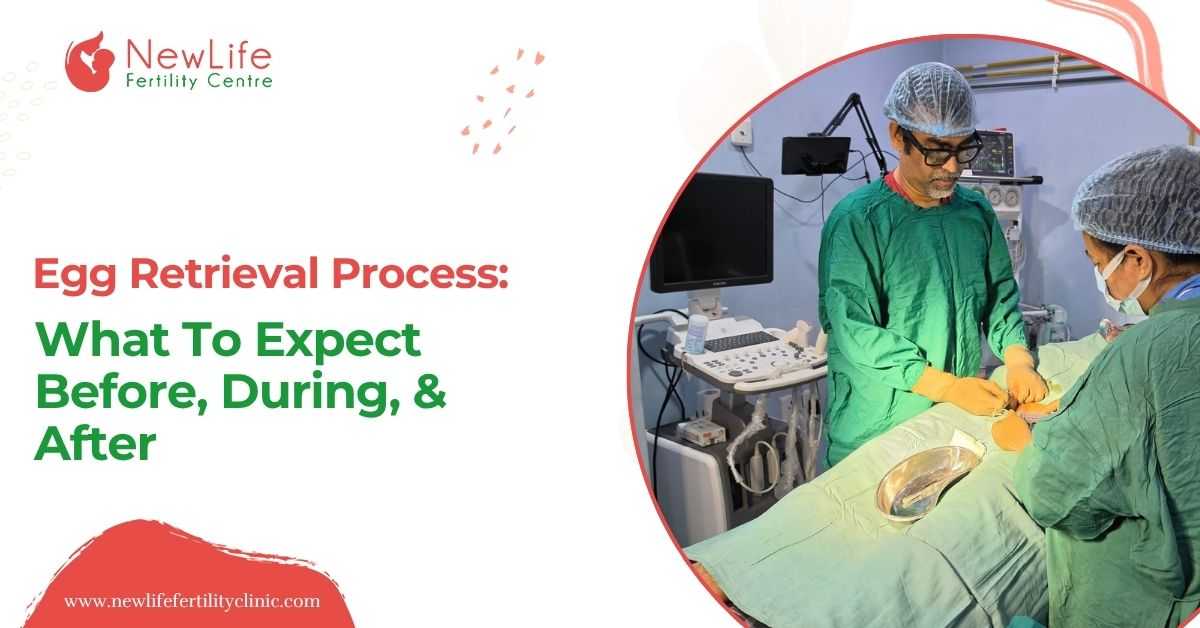


Egg removal is a medical procedure in infertility care, and the process collects mature eggs using a transvaginal ultrasound from the ovaries. After that, these eggs are either cryopreserved for later use. Or doctors may fertilized in an IVF lab to produce embryos as per your preference.
It can feel both emotional and a little confusing for many individuals and couples who have decided to undergo egg retrieval, whether for future pregnancy or IVF now. To best understand the process, visit your doctor at the most trusted IVF center in Siliguri.
Well, it's very normal if you have questions concerning pain, recovery, preparation, and success rates related to egg removal. When you understand what happens before, during, and after egg retrieval, it helps you relieve your stress or anxiousness and make the process a bit more manageable for you.
Therefore, knowing the egg retrieval procedure step-by-step will support your emotions, whether you are looking forward to IVF treatment, egg freezing, or fertility preservation.
Egg Retrieval: Overview
It is a medical process called egg retrieval that helps collect or remove mature eggs from the ovaries. After that, these eggs are either saved for later use or utilized in fertility procedures like IVF.
The treatment is commonly carried out after your ovarian stimulation, in which your doctor prescribes fertility drugs. Actually, these meds stimulate your ovaries to release many eggs rather than the single egg normally released during a natural menstrual cycle.
Retrieving eggs is frequently done for:
- IVF treatment
- Freezing eggs
- Programs for donor eggs
- Preserving fertility prior to cancer treatment
- LGBTQ+ family planning
Even though preparation starts weeks in advance of the actual egg retrieval day, the process itself doesn’t take much time and is less invasive.
IVF Treatment
This procedure involves retrieving eggs and fertilizing them in a specialized lab in a petri dish to produce embryos, and after that, the healthiest embryo is placed inside the uterus.
To maintain fertility in the future, some people or couples decide to store their eggs, and this is only done under expert supervision. There are personal reasons, medical care, postponed parenthood, or professional goals that people are considering egg freezing.
Preserving Fertility Before Cancer Treatment
Radiation and chemotherapy might interfere with fertility and one’s overall health. Thus, before starting treatment, many patients decide to undergo egg retrieval to preserve fertility.
Why IVF Egg Retrieval? – Insights
There is often only one egg available each month for natural pregnancy, but through the simultaneous collection of mature eggs, IVF can increase the chance of conception.
Additional eggs recovered could offer:
- More embryos for fertilization
- More likelihood of choosing healthy embryos
- Better quality embryos for future pregnancies
- Higher rates of IVF success
However, the quantity of eggs retrieved does not always indicate pregnancy. Other important factors are age, embryo health, egg quality, and sperm quality matter a lot in this regard.
Before the Egg Retrieval
One of the most crucial elements of a successful egg retrieval is how you prepare, and this phase often starts at the onset of the menstrual cycle.
First, Fertility Assessment
Fertility doctors perform several tests before starting the main treatment, such as:
- Blood tests (hormone tests)
- Ultrasound examinations
- Testing for ovarian reserve
- Screening for infectious diseases
- Analysis of semen (in many cases)
These tests evaluate the potential response of the ovaries and assist in selecting the drug regimen.
Ovarian Stimulation
For eight to fourteen days, doctors use injectable fertility drugs to stimulate the ovaries. Maturing many follicles (fluid-filled sacs containing eggs) is the aim.
Common medications could be:
- FSH, or follicle-stimulating hormone
- Luteinizing hormone (LH)
- GnRH agonists or antagonists
Regular monitoring is necessary throughout this phase.
Monitoring Appointments
Patients often visit the fertility clinic every few days for:
- Blood examinations
- Hormone monitoring with ultrasounds
Fertility doctors check:
- Follicle development
- Levels of hormones
- Risk of overstimulation
- Progression of egg maturity
During these appointments, your doctor determines the ideal time for retrieval.
Trigger Shot
The patient is given a trigger shot once the follicles are the proper size, and before egg retrieval, this injection aids in the eggs' ultimate maturation.
Egg retrieval is normally scheduled about 34–36 hours following the trigger shot, and the entire cycle may be impacted if the trigger timing is missed.
Here’s How to Get Ready for the Day of Egg Retrieval
Careful planning is needed the day before and on the morning of retrieval.
- Important Preparation Tips
- Observe the guidelines for fasting
Because sedation is often applied, most clinics advise patients to refrain from food and liquids for a few hours before the surgery.
Avoid Perfumes or Lotions
Strong perfumes may interfere with laboratory circumstances where eggs and embryos are handled.
Wear Comfortable Clothing
Because bloating is frequent following stimulation, loose-fitting clothing is appropriate.
Make Transportation Arrangements. Yes, driving after taking sedation drugs is dangerous; thus, the patient should be accompanied home by someone.
Stay Hydrated Before Fasting. Drinking plenty of water before fasting could aid in the healing process.
Egg Retrieval Procedure – Here’s What You Should Know
If we talk about the actual retrieval process, it is typically less time-consuming than many couples or individuals expect. It takes some take 20 to 30 minutes, but it may need more time based on a specific situation.
A Guide to This Procedure In Easy Words
Step 1: Application of Anesthesia or Sedation
Mostly, patients are given:
- IV anesthesia given
- Mild sedation
- Conscious sedation
Usually, patients don't feel any pain during the treatment, and they often can’t remember much afterward.
Step 2: Inserting a Fine Needle (Ultrasound-Guided)
Next, your fertility doctor puts a tiny ultrasound probe into the vagina; now, the probe has a fine needle with it that enters the ovaries through the vaginal wall.
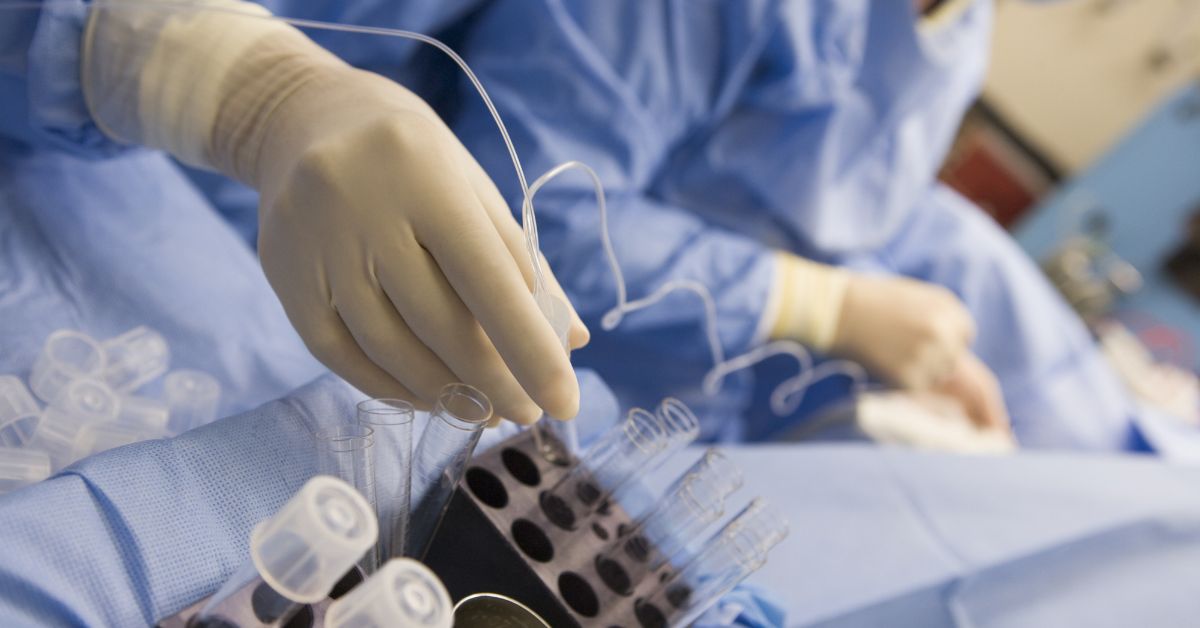
To perfectly collect the eggs from the ovaries, the needle carefully aspirates fluid from each follicle. The embryology lab receives the collected fluid right away for the next processes of egg removal, whether needed for IVF.
Step 3: Egg Identification
Next, embryologists examine the follicular fluid. This is done under a microscope to detect and separate the eggs; however, a developed egg is not present in every follicle.
Step 4: Recovery Room Monitoring
Following the surgery, you are likely to spend 30 to 60 minutes resting in a recovery area, and your expert keeps an eye on a few things, like:
- Blood pressure
- Levels of pain
- Bleeding
- Sedation recovery
For egg retrieval, generally, patients return home the same day.
Is Retrieving Eggs Painful?
When it comes to the egg removal process, pain is among the most prevalent concerns for women.
Sedation typically reduces discomfort during the egg removal procedure, but mild to moderate symptoms are normal, and these may include:
- Cramping
- Pelvic tightness and bloating
- Fatigue
- Spotting
The majority of patients experience relief from discomfort in a few days, but if discomfort is there and is moderate and continues, inform your doctor.
The level of pain isn’t the same for all women and it varies based on multiple factors:
- The quantity of follicles recovered
- Each person's pain threshold
- Ovarian reaction
- The current diseases, such as endometriosis
Severe pain should always be reported to the doctor.
Following the Egg Retrieval Procedure
The body still needs time to heal or adjust, but recovery is usually fast.
Quick Recovery Following Egg Retrieval
Most people spend the day relaxing, and common symptoms can be:
- Sleepiness from sedation
- Mild nausea
- Bloating
- Sensitivity to emotions
- Sensitivity in the abdomen
IVF clinics in Siliguri or anywhere in the country usually advise:
- Light meals
- Fluids high in electrolytes
- Avoiding physically demanding activities
- Heating pads for cramping
What Happens to the Eggs After Retrieval?
Experts now evaluate the collected eggs in the lab, and depending on the type of treatment or preference, the eggs could be:
- Fertilized by sperm for IVF
- Used for ICSI/ Intracytoplasmic Sperm Injection
- Frozen unfertilized
Here, experts like embryologists track the development of the embryo over a few days if fertilization takes place.
These are the Common Side Effects After Egg Retrieval
For a few days, you might notice mild symptoms, such as:
- Bloating
- Constipation
- Mild pelvic cramps
- Spotting, fatigue, breast tenderness
Hormonal changes are common this time, and larger ovaries often cause these symptoms.
Warning Signs
Patients should get in touch with their clinic without delay if they have symptoms like:
- Severe abdominal discomfort
- Severe bleeding
- A fever
- Breathing difficulties
- Quick weight increase
- Excessive nausea or vomiting
Make sure you visit your infertility or IVF doctor without any delay in this regard.
Understanding OHSS (Ovarian Hyperstimulation Syndrome)
OHSS can be a side effect of reproductive meds, which happens when fluid moves into the abdomen, and the ovaries swell abnormally.
Symptoms of OHSS
- Excessive bloating
- Rapid swelling
- Breathlessness
- Reduced urination
- Intense pain
While severe OHSS certainly needs treatment or medical support, the majority of cases are moderate.
What About Emotional Recovery?
The egg retrieval process goes beyond physical stress, which may also be emotionally stressful for women.
Hormonal changes, stress, anticipation, and confusion might interfere with emotional aspect of a person this time.
Many people experience:
- Anxiety
- Changes in mood
- Emotional tiredness
- Fear of the outcome
At this point, emotional assistance from partners, friends, therapists, or support groups can be quite useful during this phase.
How Many Eggs Are Usually Retrieved?
The figure can fluctuate depending on:
- Maternal age
- Ovarian reserve
- Reaction to medication
- Underlying fertility conditions
Average retrieval numbers often range from:
- 8–15 eggs for numerous IVF cycles
- Fewer eggs for reduced ovarian reserve
- High responders will receive more eggs
A lesser quantity of healthy eggs can nevertheless lead to successful pregnancy outcomes.
Egg Retrieval and Age – Overview
Fertility outcomes can be influenced by age, and as age increases:
- Egg quantity declines
- Egg quality declines
Here, the prevalence of chromosomal abnormalities increases.
Generally:
- The 20s and early 30s are the most fertile years
- Decline becomes more obvious after age 35
- IVF success rates decline with age
This is one reason many people consider egg freezing early in life.
How Much Time is Needed for Recovery After Egg Retrieval?
Most people get better in a few days.
A Normal Timeline for Recovery:
The initial 24 hours
- Rest
- Mild cramps
Days 2-3 of sedation recovery
- Bloating could peak
Within a week
- Energy gradually improves
- The majority of symptoms greatly improve
Patients should avoid:
- Strenuous exercise
- Heavy lifting
- Sexual activity
- Activities with a high impact
After retrieval, enlarged ovaries continue to be sensitive.
Can You Return to Work After Egg Retrieval?
Proper rest on the first day is advisable, but many people return to work after 2 days.
But healing depends on:
- Number of eggs retrieved
- Physical requirements of the job
- Personal reaction
- Levels of pain
Those with physically demanding work may need extra recovery time after the egg retrieval process. At first, working remotely or performing modest tasks could feel more comfortable for you.
Dietary Advice Following Egg Retrieval - Overview
Nutrition may promote healing and lessen bloating and other symptoms this time.
Beneficial Foods
- Meals high in protein
- Proper fluid intake
- Vegetables and fruits
- Foods high in fiber
- Broths and soups
Foods to Avoid
- Too much sodium
- Extremely processed foods
- Alcohol
- Too much caffeine
Look after your hydration and fiber intake, as these are particularly crucial because constipation can occur following anesthesia and hormonal therapy.
Risks and Difficulties of Egg Retrieval
Well, egg retrieval is considered safe, although all medical procedures include some risk, and among the possible risks are:
- Infection
- Bleeding
- Anesthesia-related reaction
- OHSS
When administered by skilled fertility specialists, serious problems are quite uncommon; thus, always choose a reputed IVF center near you.
Egg Retrieval for Egg Freezing
People undergoing retrieval may not plan or want immediate pregnancy, so people can maintain fertility for later use by storing their eggs.
Many prefer egg freezing for several reasons, including:
- Career preparation
- Delayed parenthood
- Medical therapies
- Individual situations
- Flexibility of family planning
Egg freezing after retrieval can be highly effective, therefore.
Can You Work Out After Retrieving an Egg?
While vigorous/ heavy exercise should be avoided for at least a week, light walking is usually acceptable, so you can go for it.
Ovarian torsion, a rare disorder in which the ovary bends due to expansion, might occur with high-impact activities in the initial days.
Always follow the particular advice given by your clinic or infertility specialist.
Signs You Are Recovering Normally After Egg Retrieval
Here are some signs:
- Mild bloating
- Mild cramps
- Temporary exhaustion
- Gradual improvement over a few days
Instead of getting worse, your symptoms should gradually get better, but if not, contact your doctor immediately.
Know Who May Not Benefit from Egg Retrieval
Not everyone is a good fit for egg retrieval; yes, that is possible. Certain medical disorders or situations may make egg removal riskier or less successful.
Women Who Have Severe Ovarian Failure
Despite stimulation, people with premature ovarian insufficiency or extremely low ovarian reserve may not generate quality eggs.
Women with Uncontrolled Health Issues
Severe heart disease, uncontrolled diabetes, or other major health concerns may enhance the risks linked with fertility medicines and drowsiness in this case.
Women Not Able to Receive Hormonal Stimulation
Ovarian stimulation may be risky in certain hormone-sensitive conditions, and here, some hormone-related malignancies are one example.
Women with Untreated Pelvic Infections
Complications during retrieval may be more likely if there is a current pelvic infection.
Final Words
This is a significant part of fertility treatment, but it can be far less confusing if you know what to expect. Every step, from ovarian stimulation and monitoring to the egg removal process and healing, is done under expert supervision to optimize the likelihood of success.
Most women feel little discomfort and recover soon after the egg removal process. But each reproductive journey is different; thus, expert guidance is key.
Speaking with a qualified fertility doctor near you will help you determine whether egg retrieval is the best option for your fertility purposes. You might see your doctor at Newlife Fertility Centre, the best IVF center in Siliguri City.
