

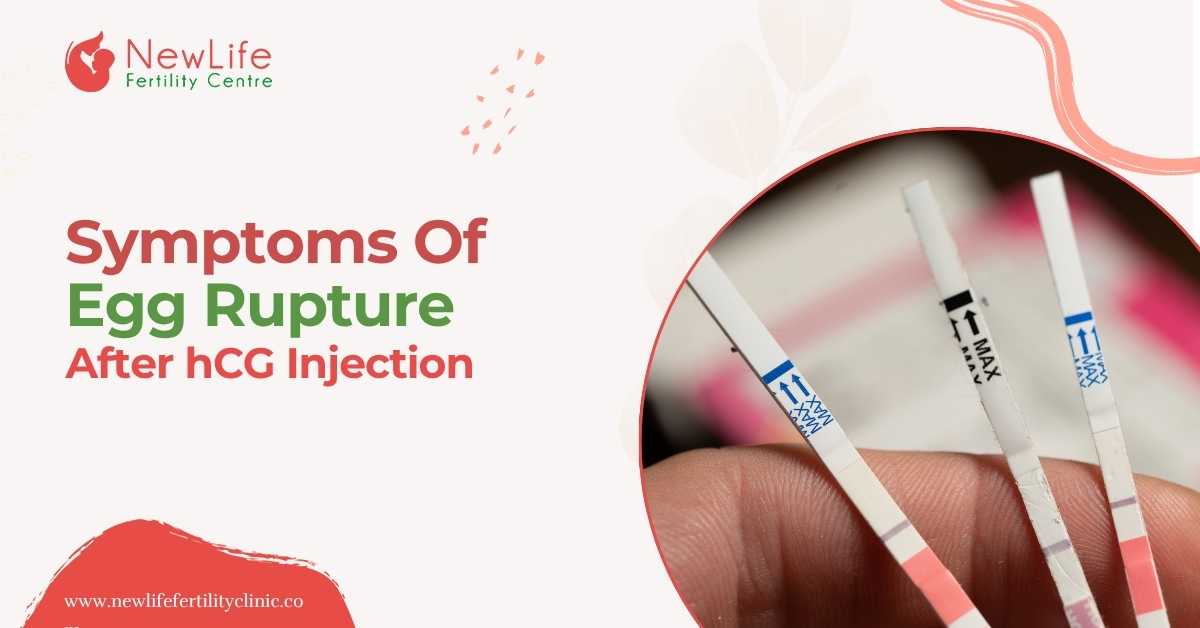


Your doctor might advise an injection of human chorionic gonadotropin (hCG) to induce ovulation if you are receiving fertility medication. But how to know if my egg has ruptured is one of the most often asked questions and concerns many women have following this injection.
You can feel less anxious and have a better understanding of what your body is going through if you know about the symptoms of egg rupture after an hCG injection. It's crucial to keep in mind that though several physical signs may point to ovulation, a fertility specialist's ultrasound monitoring is the only accurate way to verify egg rupture.
hCG Injection Overview
Trigger shots are a common term for hCG injections, which contain a hormone called human chorionic gonadotropin. This replicates the natural surge of luteinizing hormone (LH) that causes the ovary to release a mature egg.
An hCG trigger shot is mostly advised by infertility doctors during reproductive treatments like:
- Induction of ovulation
- IUI, or intrauterine insemination
- IVF, or in vitro fertilization
- Timed cycles of sexual activity
- Therapy for specific ovulation problems
After the injection is given, it helps in the rupture of the mature ovarian follicle, which releases the egg for potential fertilization.
When Does an hCG Injection Cause an Egg to Rupture?
After receiving an hCG injection, most women ovulate between 36 and 40 hours later, and the precise timing relies on variables like:
- Each person's hormonal reaction
- Size of follicles before injection
- Reproductive health overall
- The use of fertility medications
Fertility doctors mostly schedule intercourse, IUI, or egg retrieval based on the reasonably predictable timing of ovulation.
What Takes Place When an Egg Ruptures?
The egg develops inside a fluid-filled sac called a follicle inside the ovary, and following the hCG injection:
- The follicle reaches full maturity
- The follicular wall is weakened by hormonal fluctuations
- The follicle bursts
- The fully developed egg is set free
- The fallopian tube, where fertilization may take place, receives the egg
Signs of Egg Rupture Following hCG Injection
After ovulation, many women experience certain physical changes, and the following are some of the most common symptoms of egg rupture. However, not all women have them.
Moderate Pelvic Pain
A slight soreness or discomfort on one side of the lower abdomen is an obvious symptom.
Features include:
- Dull or sharp ache
- Usually only affects one side
- Lasts anywhere from a few minutes to several hours
- Sometimes it lasts for a day
The follicle bursts, releasing the egg and a tiny amount of fluid, which causes discomfort.
Lower Abdominal Cramping
After ovulation, many women have minor pains that resemble menstrual cramps. Commonly, the cramping is:
- Moderate
- Brief
- Situated in the lower abdomen
- Not bad enough to get in the way of everyday activities
Severe or ongoing pain should always be assessed by a medical professional only.

Increased Cervical Mucus
Vaginal discharge changes are another classic indication; here, cervical mucus often turns into the following after the hCG injection and during ovulation:
- Stretchy
- Slippery
- Clear
- Similar to raw egg whites
Sperm can move more readily in the direction of the egg thanks to this fertile mucus.
Slight Spotting
After the follicle bursts, some women experience mild spotting, and in general, ovulation spotting is:
- Pink
- Pale brown
- Very little in amount
- Lasts one or two days
Severe bleeding is not normal at all and has to be treated by a doctor without delay.
Breast Tenderness
After ovulation, hormonal changes could result in:
- Breast pain
- Nipple tenderness
- Moderate edema
- Enhanced sensitivity
Usually, these symptoms heal in a few days, but if they don’t, see your doctor.
Bloating
After the egg is released, some women experience mild bloating, and this could happen because of:
- Changes in hormones
- Mild fluid retention
- Ovarian hypertrophy with the use of stimulants
Usually, the bloating is moderate and transient during this phase.
High Basal Body Temperature
Progesterone levels increase following ovulation.
- The body's basal temperature rises a little
- Until the subsequent menstrual cycle, the fever stays high
This sign is often used by women who monitor their fertility to verify that ovulation has already taken place.
Increased Sexual Desire
Around ovulation, many women naturally experience a high in desire, and hormonal changes linked to peak fertility are thought to be the cause of this.
Mild Back Pain
Some women go through:
- Soreness in the lower back
- Pressure felt in the pelvis
- Hip pain that is not severe
Usually, these symptoms pass quickly.
Feeling Completely Normal
It's interesting to note that many ladies have no symptoms at all, and that’s normal. The lack of symptoms does not imply that the egg did not rupture, and ovulation can happen without any overt physical symptoms.
Can You Feel the Egg Rupture?
Usually, women are unable to feel the discharge of the egg; instead, they might observe:
- Moderate cramping
- Pelvic pain on one side
- Lower abdominal pressure
- Short-term discomfort
You have to understand that the egg is tiny; the sensation is caused by the follicle bursting rather than the egg itself moving.
How Can Medical Professionals Verify Egg Rupture?
We must know that ovulation cannot be accurately confirmed by symptoms alone, and your doctors advise:
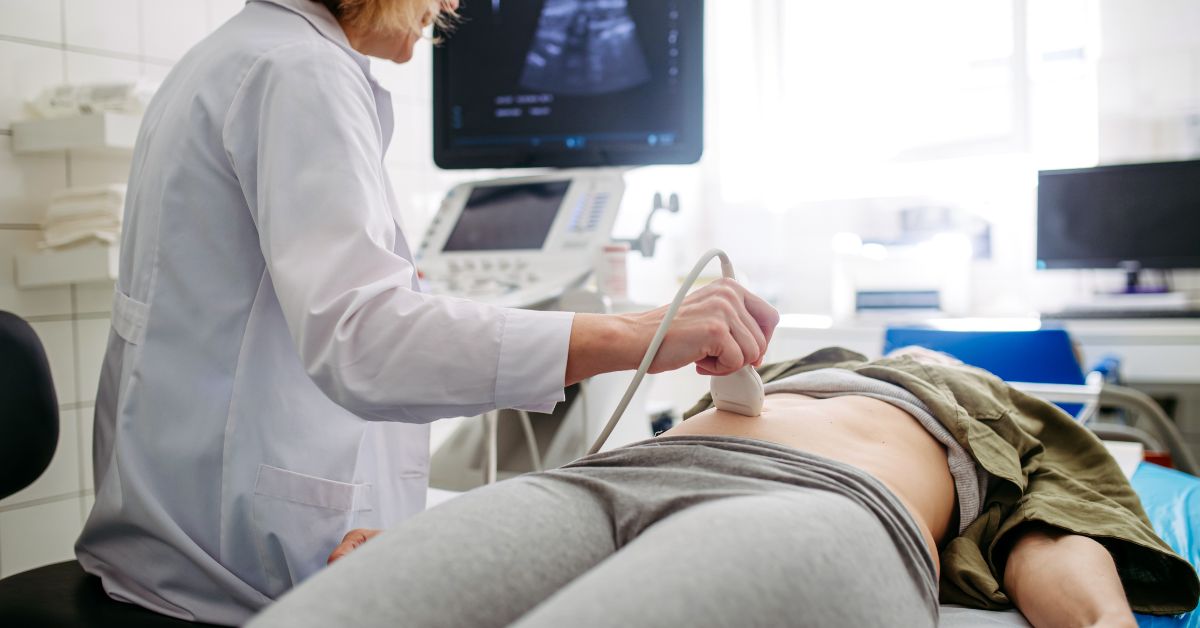
Follicular Ultrasound. This approach is thought to be the most precise, and the ultrasonography may reveal:
- The follicle vanishing
- Fluid behind the uterus
- The corpus luteum's formation
These results show that ovulation was successful.
Blood Tests. Checking progesterone levels a few days after ovulation can help verify that ovulation has taken place.
What If the Egg Does Not Rupture?
On rare occasions, the follicle could develop further without releasing the egg; yes, it is possible. Luteinized Unruptured Follicle Syndrome (LUFS) is the name given to this disorder, and among the common causes are:
- An imbalance of hormones
- Endometriosis
- Some drugs
- Ovarian conditions
Your fertility doctor may modify your treatment regimen in certain cases.
When Should You Contact Your Fertility Doctor?
Though slight discomfort is normal, consult a doctor right away if you feel/ notice:
- Severe abdominal discomfort
- Prolonged vaginal bleeding
- A fever
- Continuous vomiting
- Breathing difficulties
- Abdominal edema that happens quickly
- Extreme nausea
These symptoms could be signs of complications like ovarian torsion. Also, these may suggest ovarian hyperstimulation syndrome (OHSS) or another illness that needs to be evaluated right away.
Advice After an Injection of hCG
You can enhance your comfort and assist your fertility therapy by according to your fertility doctor's advice.
Some helpful suggestions are as follows:
- Drink plenty of water
- Consume a well-rounded diet
- If advised, stay away from intense exercise
- Take prescription drugs exactly as directed
- Attend every appointment for a follow-up ultrasound
- As directed by your physician, engage in sexual activity or IUI
- Avoid needless stress and obtain enough sleep
Is It Possible for Pregnancy Symptoms to Begin Right After Egg Rupture?
Ovulation symptoms and early pregnancy signs are sometimes confused by women. Pregnancy has not yet taken place immediately following egg rupture, and this timetable is typically followed by the process:
- Release of eggs
- Fertilization (if sperm is present, within 12 to 24 hours)
- Development of the embryo
- 6–12 days after implantation
- Pregnancy hormone production begins after implantation
As a result, symptoms that appear 1 or 2 days following the hCG trigger shot are mostly associated with ovulation or the injection itself rather than pregnancy.
Do All Women Have the Same Symptoms?
The way a woman's body reacts to hormonal changes varies, and some women go through:
- Noticeable cramping
- Breast tenderness
- Spotting Bloating
Some people might just have one symptom or none at all, and this variance is quite natural and does not necessarily pinpoint whether ovulation was successful or not.
Final Words
Because it causes the release of a mature egg, an hCG injection is of high importance. Following an hCG injection, you might experience mild pelvic pain, cramping in the abdomen, clear cervical mucus, breast tenderness, bloating, modest spotting, and a mild increase in basal body temperature.
These are common signs of egg rupture, and nevertheless, some women who successfully ovulate do not show any signs.
These symptoms may indicate that ovulation has taken place. But they cannot definitively prove egg rupture, and here, the most dependable way to confirm successful ovulation is still ultrasound monitoring.
Wise to contact your IVF or fertility doctor right away if you have severe pain, heavy bleeding, or symptoms that might indicate problems. Do not worry, since your healthcare provider will ensure proper guidance on what to do and when to seek their help.
You can reach out to your doctor at Newlife Fertility Centre or an expert in your location.
FAQs
1. How many hours does the egg usually burst following an injection of hCG?
Though the time varies slightly from person to person, most women ovulate between 36 and 40 hours after getting an hCG trigger shot.
2. Is it common to experience mild pelvic pain following an hCG injection?
Ovulation and follicular rupture are often accompanied by mild, one-sided pelvic pain or cramping; however, a doctor should be consulted if your discomfort is severe or chronic/ frequent.
3. Can symptoms alone be used to indicate egg rupture?
No, although symptoms could point to ovulation, those symptoms cannot prove it. The most precise method for confirming that the egg has been released is a follicular ultrasound guided by a medical expert only.
4. Can an hCG injection prevent an egg from rupturing?
Sometimes, despite changes in hormones, the follicle does not release the egg (yes, it can be possible). Your fertility expert may suggest further testing or therapy for this disorder. It is known as Luteinized Unruptured Follicle Syndrome (LUFS).
5. Is spotting common following an egg rupture?
During ovulation, light pink or brown spots may appear for a day or two, but you should talk to your healthcare professional/ fertility doctor about any heavy or prolonged bleeding.