



For any woman, not being able to conceive or become pregnant can be emotionally challenging. Infertility in women is one of the major causes behind the inability to conceive. In the majority of the scenarios, IVF is recommended to increase the chances of conception. However, if IVF does not prove to be successful, then surrogacy becomes the best potential option to become parents because it involves another woman carrying a pregnancy for a woman having complications in pregnancy.
The best way to decide whether surrogacy is the best option for you is to consult a top IVF clinic in Siliguri or any location of your convenience. In this blog, you will learn about how surrogacy works step-by-step. Let us start with knowing about different types of surrogacy.
What are the Different Types of Surrogacy?
Surrogacy has primarily two genetic types:
-
Gestational surrogacy: This surrogacy uses an assisted reproductive arrangement where a woman carries a pregnancy for another woman or a couple. The main characteristic of gestational surrogacy is that the surrogate woman does not have any genetic link to the baby. In this process, the eggs from the intended mother are retrieved and fertilised with the sperm of the intended father in an IVF laboratory. After the embryo is created, a surrogate mother is chosen based on clinical analysis, who will undergo embryo transfer to carry the pregnancy.
-
Traditional surrogacy: This surrogacy also uses an assisted reproductive arrangement, but it differs from gestational surrogacy in the aspect of the process of achieving pregnancy. In this process, the eggs of a surrogate woman are used for fertilisation with the intended father’s sperm. The sperm is artificially inseminated, and the surrogate woman has a genetic link with the child.
The Step-by-Step Working of Surrogacy
Here are the steps that are followed for surrogacy:
.jpg)
1. Consultation and screening: This is the first step, where intended parents visit a trusted IVF centre and consult with an IVF specialist. During the consultation, the intended parents undergo detailed medical and background checks, which are intended to check compatibility and readiness for surrogacy. The significance of this step is based on the fact that it allows the intended parents to gain insights into the surrogacy process, along with enabling the doctor to analyse the financial and medical conditions of the intended parents. It is important to remember that surrogacy is an expensive process, and thus, a background check is crucial.

2. Matching intended parents: This is the next step after consultation and verification. In this step, the requirements and requests of the intended parents are matched with a list of pre-screened surrogates, which are available in the internal database of top IVF clinics. Once the requirement of the intended parents matches with a pre-screened surrogate, a meeting is arranged between both parties by the IVF clinic. The meeting is important because it allows both parties (intended parents and a pre-screened surrogate) to clearly state their expectations and vision, which makes room for transparency in the surrogacy process before actual initiation.
.jpg)
3. Legal agreements and contracts: Once both parties mutually agree on the surrogacy to go forward, a legal contract is formed by an attorney. In the legal contract, the rights, responsibilities, expectations, and compensation are all mentioned clearly. The significance of a legal contract is that the baby will be born from someone else’s womb. The surrogate mother might try to contact the baby even after years of birth, which can create problems in the baby’s emotional state. Thus, a legal contract helps in creating boundaries based on ensuring legal actions for breaking the clauses of the contract.

4. Creating an embryo through IVF: This is the step where the process of surrogacy starts physically. In this stage, the intended mother is provided with hormonal injections for 1 or 2 weeks to stimulate the ovaries to produce multiple mature eggs. After that, the growth of egg follicles is continually monitored by doctors with vaginal ultrasound and blood tests. Once the eggs are mature, they are retrieved with a minimally invasive transvaginal procedure from the egg donor. A healthy single sperm is injected into the egg collected to produce an embryo.
.png)
5. Uterine Preparation: Following this, the surrogate requires preparation for embryo transfer. Some surrogates take birth control pills and medications like Lupron to prevent natural ovulation. The surrogate is provided with estrogen and progesterone, which help in building a thick, receptive lining for the embryo. Estrogen is administered via pills or injections to thicken the endometrium or uterine lining and increase blood flow. Later, progesterone is injected to mature the lining, making the uterus ready for implantation. The preparedness of the uterine lining to receive the embryo is monitored with regular scans and blood tests.
.png)
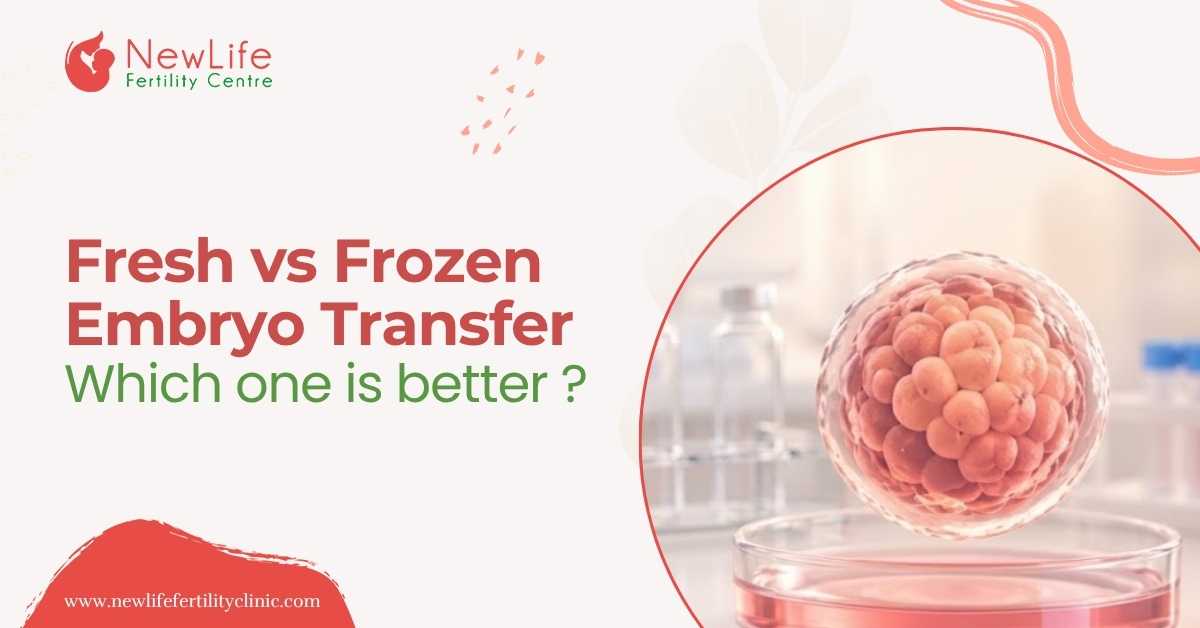
6. Preparing for embryo transfer: At this stage, the collected eggs are fertilised under a controlled lab environment with partners' sperm to produce an embryo. After that, this embryo is monitored in the lab for three or five days until it reaches the blastocyte stage. Often, intended parents opt for PGT (preimplantation genetic testing ) to check if there is any genetic or chromosomal disorder before implantation. This procedure involves the embryo being kept frozen until the test result comes. Then the embryo is prepared to be transferred to the uterus of the surrogate. With a minor procedure, the healthy embryo is implanted into the uterus of the surrogate.
.png)
7. Pregnancy Confirmation: After all the tests and checking of the embryo are completed and the embryo is transferred to the surrogate, it is time for pregnancy confirmation. Nearly 2 weeks after the embryo implantation, the surrogate is required to go through continuous monitoring by doctors. Certain blood tests and an ultrasound are performed to confirm pregnancy. Once the test is positive or pregnancy is confirmed, the surrogate attends fertility clinics for regular check-ups. Then the surrogate transitions to her regular OB-GYN for prenatal care and crucial lifestyle habits for a healthy pregnancy. The intended parents are informed of every update on the pregnancy.
8. Birth and Legal Parenthood: Surrogacy in Siliguri brings a lot of legal considerations.Once the child is born, the intended parents and the surrogate work with experienced reproductive attorneys specialising in assisted reproduction. They are the professionals to deal with the legal considerations that are associated with a surrogate pregnancy, such as contracts, different state laws and parental rights. With legal procedures, parental rights of the intended parents are finalised through the immediate handover, birth certificate and court orders allowing them to take the baby home. After all the legal handovers and paperwork are done, the surrogacy procedure comes to an end. Often these legal paperworks are done before childbirth.
Final Words
Embarking on the journey of parenthood is one of the most precious feelings for parents who are unable to conceive. Surrogacy has been a ray of hope for such couples. However, surrogacy involves major emotional and mental challenges for both parties. At every step, both the intended parents and the surrogate undergo some crucial procedures to ensure a healthy pregnancy. From getting screened for the eligibility of the surrogate to the legal procedures surrogacy involves complex and vital phases. With a well-planned approach, it helps intended parents stay informed, prepared and confident and ensures the well-being of everyone involved. Take an expert's consultation in a fertility clinic in Siliguri to begin the journey.
