

Surrogacy is an assisted reproductive technology procedure where a gestational carrier carries a pregnancy via In Vitro Fertilization (IVF) for intended parents when medical indications preclude pregnancy carry. In gestational surrogacy, there is typically no genetic link between the surrogate mother and the infant. Surrogacy procedures are conducted under established clinical, ethical, and statutory regulatory guidelines.
New Life Fertility Centre provides structured surrogacy services in Siliguri adhering to professional clinical standards and legal regulations. Our team of experienced fertility specialists utilizes advanced reproductive technologies to support patients throughout the surrogacy process, maintaining a strong focus on clinical monitoring and patient safety for both the gestational carrier and the infant.

Surrogacy is regulated in India under the statutory framework of the Surrogacy (Regulation) Act. The legislation outlines explicit guidelines to ensure ethical and lawful practices:
New Life Fertility Centre adheres strictly to all statutory guidelines, ensuring a legal, transparent, and ethically supervised surrogacy process for intended parents.

Eligibility for surrogacy in India is determined following comprehensive medical evaluations and legal reviews. Candidates must present valid medical indications demonstrating the necessity of gestational surrogacy. Registered clinics conduct thorough assessments to ensure compliance with statutory guidelines and safeguard the health and well-being of the infant, the gestational carrier, and the intended parents.
New Life Fertility Centre ensures that structured clinical, legal, and psychological protocols are observed throughout the surrogacy evaluation process.
Indications for gestational surrogacy may include:
Final clearance for surrogacy is granted following comprehensive medical examinations and statutory compliance verifications.
Reproductive specialists and fertility physicians recommend gestational surrogacy when carrying a pregnancy poses a significant medical risk or is biologically impossible for the intended mother. Comprehensive diagnostic evaluations and alternative treatment modalities are thoroughly assessed prior to surrogacy planning to ensure all clinical options have been reviewed.
Common medical indications that may lead to a gestational surrogacy recommendation include:
Surgical removal of the uterus, which permanently precludes pregnancy carry.
Overall, gestational surrogacy is indicated strictly in clinical situations where pregnancy is medically unsafe or anatomically impossible for the intended mother, adhering strictly to established clinical, ethical, and statutory guidelines.
At New Life Fertility Centre in Siliguri, available surrogacy pathways are determined by the clinical indications of the intended parents, statutory eligibility requirements under the Surrogacy (Regulation) Act, and gamete availability. Clinical and legal compliance is maintained throughout the treatment process.
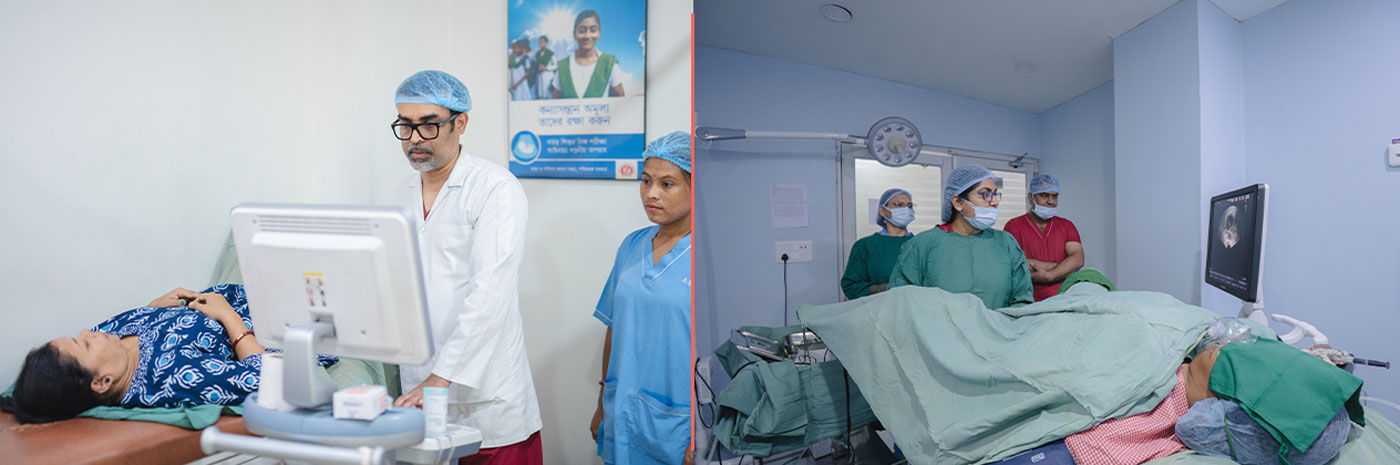
Each surrogacy pathway is evaluated strictly based on clinical necessity, medical suitability, and statutory compliance.
In accordance with ICMR guidelines and the Surrogacy (Regulation) Act, a gestational carrier must meet the following criteria:
All prospective gestational carriers undergo comprehensive medical, legal, and psychological evaluations prior to clearance.

IVF Outcome Calculator Reference
Access a structured reference tool based on age, clinical variables, and treatment parameters.

Pharmacological protocols are administered to synchronize the endometrial preparation cycle of the gestational carrier with the oocyte retrieval schedule of the egg provider.

Controlled ovarian hyperstimulation protocols are administered using specialized hormonal medications to support multi-follicular development in the egg provider.

Mature oocytes are retrieved via a minor surgical procedure performed under conscious sedation or anesthesia.

Retrieved oocytes are fertilized with spermatozoa in the embryology laboratory using conventional IVF or ICSI, followed by embryo culture for 3 to 5 days.
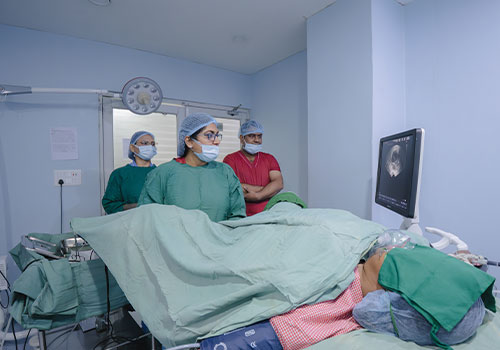
The endometrial lining of the gestational carrier is prepared for implantation through targeted hormonal supplementation.

Selected embryos meeting established quality criteria are transferred into the prepared uterine cavity of the gestational carrier.

Biochemical blood testing is performed approximately 10 to 14 days following embryo transfer to confirm pregnancy status.

Clinical monitoring is provided for the gestational carrier throughout early gestation to ensure ongoing obstetric health under medical oversight.

Obstetric delivery and postpartum management are conducted in accordance with established clinical standards and statutory legal frameworks.
New Life Fertility Centre provides structured surrogacy services adhering strictly to clinical, ethical, and statutory regulatory guidelines.
The selection of a surrogacy clinic is determined by clinical expertise, infrastructure standards, and rigorous adherence to statutory regulations. New Life Fertility Centre provides structured surrogacy services adhering to professional standards in the following areas:

Our clinic features a dedicated team of experienced reproductive specialists who conduct comprehensive evaluations for each case, supporting individualized and evidence-based surrogacy care.

Our embryology laboratory is equipped with modern technology and maintained under strict quality control standards to support optimal embryo development and precise embryo transfer procedures.

All surrogacy procedures comply strictly with the provisions of the Surrogacy (Regulation) Act. Our practice adheres to ethical standards by ensuring comprehensive medical, legal, and psychological screenings for both gestational carriers and intended parents.

We provide structured and individualized surrogacy care based on thorough clinical assessments tailored to specific medical and legal requirements.
Copyright © Newlife Fertility Centre, 2026