Female infertility refers to a condition where a woman is unable to conceive after 12 months of regular and unprotected intercourse. For females aged 35 years and above, the time frame is 6 months. According to a research study published in the Tandfonline database, the global prevalence of female infertility was estimated to be more than 100 million in 2021. This is an alarming number due to the growing burden of female infertility despite advancements in human lives and knowledge. Thus, it has become important to learn about the symptoms and causes of female infertility, so that accurate diagnosis and timely intervention can be made.
Here are some of the common symptoms of female infertility:
This ovulation disorder occurs when a woman’s ovaries do not release eggs regularly, causing irregular or missed periods. Menstrual cycles may be too short or too long. Irregular periods are a common sign of female infertility, as timely cycles are essential for creating a favourable environment for fertilisation.
If a woman experiences heavy and painful periods, with heavy bleeding and dark blood coming out, then it might be an indicator of fibroids or endometriosis. Both these conditions are known to cause female infertility. Therefore, it is important to consult a trusted IVF specialist during such painful periods.
If persistent pain or discomfort occurs during regular intercourse, then it might indicate the presence of endometriosis. Thus, there is a potential for female infertility if a woman is experiencing pain regularly during intercourse. The key in this regard is to seek consultation at a reliable fertility clinic.
If there are frequent fluctuations in a woman’s weight or sudden thinning of hair, then it might be an indicator of hormonal issues, such as thyroid imbalance. Sometimes, the appearance of severe acne can also indicate hormonal issues. It is a well-known fact that hormonal issues can cause female infertility.
This is one of the most clear and prominent symptoms when a woman is unable to conceive after 12 months (below 35 years) or 6 months (above 35 years) of regular and unprotected intercourse. During such a situation, the chances of female infertility are high.
If a woman has had miscarriages in the past, underlying health issues such as genetic or chromosomal abnormalities may be the cause. Recurrent miscarriages should never be ignored and must be evaluated by a skilled IVF specialist for proper diagnosis and care.
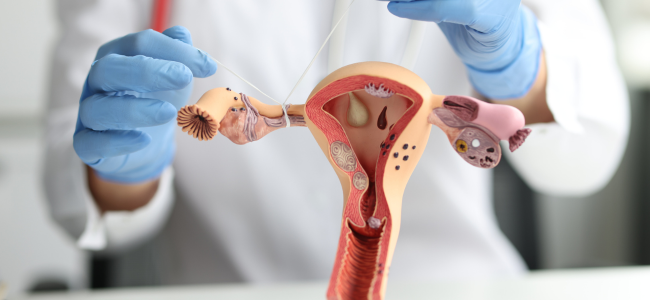
If the fallopian tubes in a woman are blocked or damaged, then it prevents the sperm from reaching the egg. However, in partial blockage, the sperm might reach the egg, but the fertilised egg cannot travel to the uterus for implantation. Blockages in the fallopian tubes occur due to inflammation in the pelvic area caused by STIs or previous pelvic surgeries.
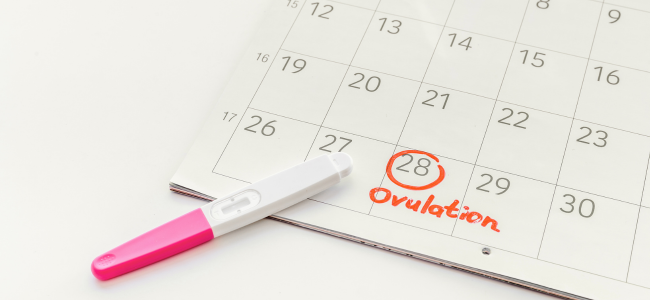
This is one of the most prominent causes of female infertility, which is based on the issues with eggs getting released from the ovaries. Underlying health conditions, such as PCOS, premature ovarian failure, or thyroid problems, can cause ovulation disorders. Thus, the normal menstrual cycle of a woman gets hampered, which can be a cause of female infertility.

In women, the quantity and quality of eggs decline after the age of 35. In addition, the chances of chromosomal abnormalities are high in older women, which can create difficulties in conceiving or result in potential miscarriages. Therefore, women can opt for egg freezing at a young age to avoid old age pregnancy complications.

This is a condition where tissue that is similar to the uterus lining grows outside the uterus. This tissue growth can cause a scar or inflammation in the reproductive organs. Generally, this tissue grows on the pelvic lining or fallopian tubes, which makes it difficult for the egg and sperm to meet or for the embryo to implant.

Smoking can cause premature ageing of the ovaries, which can lead to female infertility. In addition, excessive alcohol consumption, stress, and being overweight affect female fertility because they cause hormonal dysfunction. On the other hand, exposure to pesticides or radiation can also cause female infertility.
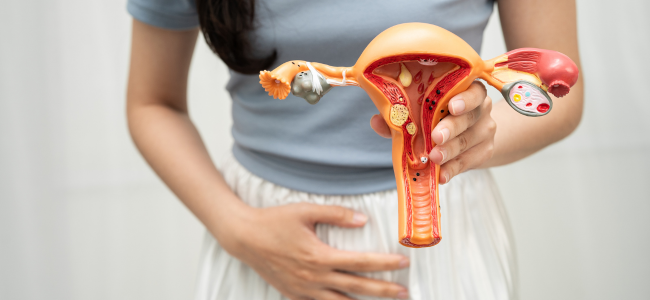
If there are structural issues with the uterus, then it might hamper the process of implantation. In addition, uterine anomalies increase the chances of miscarriages. Overall, the growth of non-cancerous tumours in the uterus, such as fibroids, affects female fertility.

These are the most common ways by which female fertility can be improved:

Engaging in moderate physical activity can help improve blood flow to the reproductive organs, which is crucial for enhancing fertility. In addition, moderate activities when combined with good sleep of 7-8 hours can help regulate reproductive hormones. However, high-intensity exercise needs to be avoided as it negatively impacts ovulation.

Body Mass Index (BMI) is crucial for female fertility as well, which makes it important to consult the best fertility clinic in Siliguri or a location of convenience. Generally, a BMI index of 20-24 is considered ideal for conceiving. The role of moderate exercise is significant in this regard because it helps in reducing excessive body weight.

It is important to add coloured fruits, vegetables, nuts, lean proteins (chicken and fish), and healthy fats in the diet. A balanced quantity of such foods can provide all the necessary nutrients that can boost fertility in females. Therefore, the key is to avoid processed foods and trans fats, which can cause inflammation.

Smoking is known to create issues with eggs and ovaries, which are crucial parts of reproductive health. On the other hand, excessive alcohol consumption can disrupt menstrual cycles. Therefore, by avoiding smoking and excessive drinking, a woman can improve her fertility to a certain extent.
Newlife has earned a massive reputation for being one of the best IVF clinics in Siliguri by consistently delivering excellent outcomes in infertility treatment since 2015. We prioritise accurate diagnosis of infertility causes in both males and females by using advanced technologies. Our infertility treatment is highly patient-centred, which ensures the use of a customised approach as per unique fertility conditions.
Here are the top reasons to choose us for female infertility treatment and care: