Repeated implantation failures in IVF can be emotionally devastating, which makes it mandatory to utilize advanced technology that can assist in better implantation. At Newlife Fertility Centre, we use laser-assisted hatching in Siliguri, which is a highly advanced laboratory procedure to attach the embryo to your uterus. According to a research study by Shah et al. (2025), LAH significantly improves IVF outcomes, especially among patients with advanced maternal age, previous IVF failures, or embryos with a thick zona pellucida.
As the first and only NABH-certified IVF centre in Siliguri, we strive to use the most advanced clinical standards and cutting-edge laboratory technologies to turn your dream of parenthood into reality. At our clinic, we understand the emotional and physical toll that a failed IVF cycle can take, which is why we continuously invest in state-of-the-art solutions like LAH to improve your chances for successful conception and live birth.
The Zona pellucida is a transparent glycoprotein shell that surrounds the egg shell and early-stage embryo. It acts as a vital protective layer for the egg, playing a crucial role from the start of fertilization until the embryo is ready to be implanted in the uterus. If there is any abnormality in the structure of the shell or if it fails to open at the correct time, IVF-assisted conception or natural conception cannot be successful. Here are the top factors that make Zona pellucida important:
It holds the dividing cells together during the early stages of development, which is crucial because the embryo travels down the fallopian tube.
The moment a single sperm penetrates, the shell hardens instantly to block all other sperm. This is crucial for preventing fatal genetic abnormalities.
It contains specific receptor proteins that allow compatible sperm to bind the egg.
It needs to thin out and hatch so that the embryo can escape and attach to the uterine lining.
The shell effectively protects the developing embryo from being attacked by the mother’s immune system.
The zona pellucida enables healthy sperm to bind with the egg, supporting successful fertilisation.
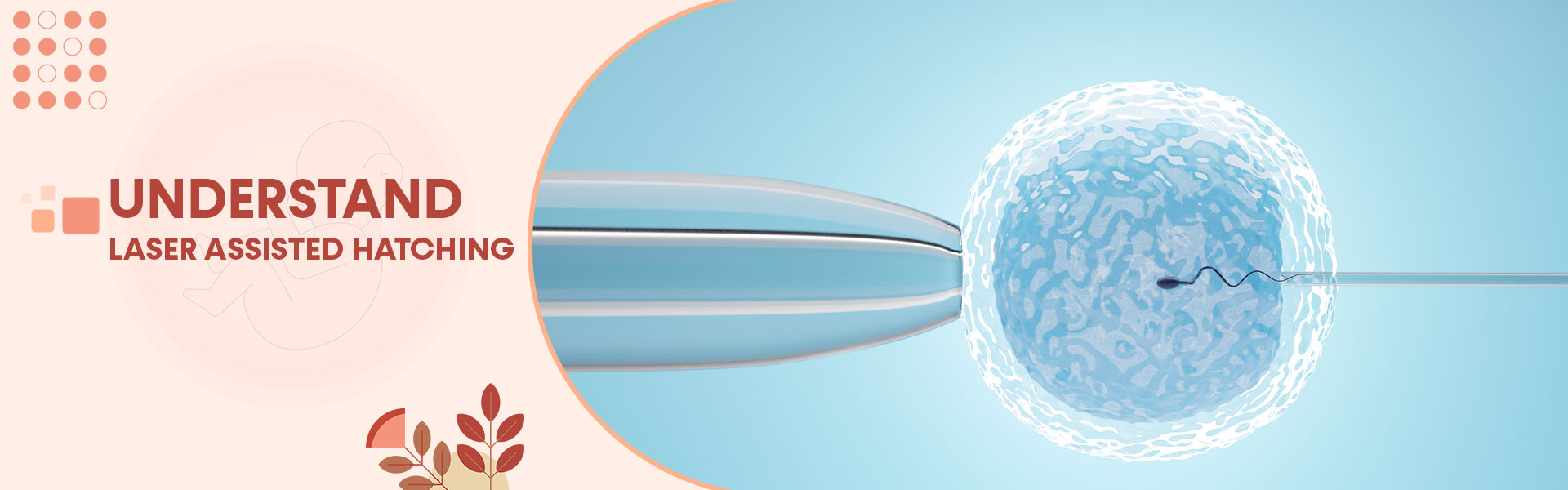
Laser-assisted hatching (LAH) is an advanced laboratory technique used during the IVF cycle to implant the embryo into the uterus. It is necessary for a developing embryo to naturally break out of its protective outer shell before attaching to the uterine wall. When the protective outer shell (Zona pellucida) is too thick, hard, or rigid, the embryo cannot naturally escape on its own. This results in an unsuccessful IVF cycle. LAH helps in solving this problem by using a highly specialized laser system that creates a microscopic opening in the protective outer layer a few hours before the embryo transfer.
Here are the key characteristics of laser hatching in IVF:
It is performed at a high speed, which lasts only a fraction of a millisecond, so that the targeted area can be dissolved.
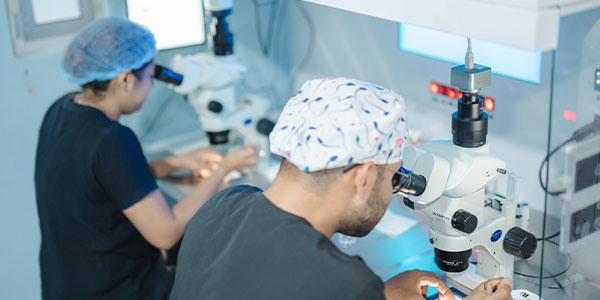
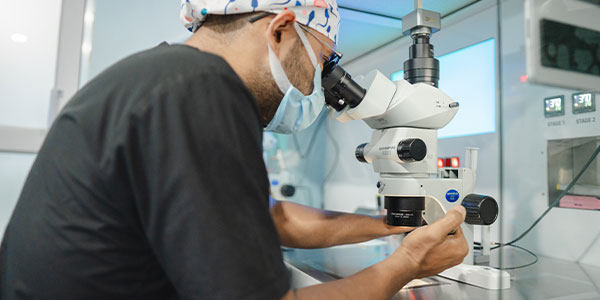
It uses a high-power microscope combined with an automated laser to target the outer shell with high-level accuracy.
It relies purely on light energy, which eliminates the risk associated with chemical-based techniques.
LAH can be safely performed on both cleavage-stage and blastocyst-stage embryos before the transfer.
It does not generate any heat during the process, which in turn ensures that the delicate inner cells of the embryo remain entirely safe and undamaged.
The laser creates a precise opening in the outer shell, ensuring the procedure is performed with maximum control while minimizing the risk of damage to the embryo.
At Newlife Fertility Centre, we want our patients to be fully aware of why we prioritize laser-assisted hatching in Siliguri. This is because proactive knowledge helps patients overcome anxiety related to unknown techniques. Before the development of laser technology, embryologists relied on manual techniques like mechanical cutting or chemical acid solutions to help embryos hatch. Here is a comparison table for all three hatching techniques, which will help clarify why LAH wins:
| Features | LAH | Chemical Hatching | Mechanical Hatching |
|---|---|---|---|
| Technology Used | Computer-guided laser light | Acidic Tyrode’s Solution | Micro-needle or glass blades |
| Procedure Time | Few milliseconds (Ultra-fast) | Slow because it requires careful washing and acidic residue removal | Slow because it requires highly intensive manual alignment |
| Precision Level | Micrometric accuracy | Moderate because the acid can spread or drift | Low because accuracy depends on hand stability |
| Risks to Embryo Cells | Low because no physical contact or thermal damage takes place | High because acidic exposure can be toxic for the cells | High because accidental puncture or crushing can occur |
| Consistency & Control | Fully automated | Variable because it is difficult to control the exact drop size | Variable because it depends on the individual's skill |
| Lab Safety Standards | Ideal for strict NABH-certified quality controls | Outdated due to chemical safety concerns | Used rarely due to unpredictable mechanical stress |
The above table clearly highlights the fact that LAH stands out as the best procedure because it minimizes structural risks by using a computer-guided light beam. Therefore, embryologists create a flawless, microscopic opening in milliseconds without touching the inner cells or altering the delicate chemical balance.
Knowing the eligibility or appropriateness of assisted laser hatching in Siliguri can help you increase the chances of IVF success and prevent repeated treatment failures. Although LAH is a groundbreaking technology in reproductive medicine, it is not a mandatory procedure for every couple undergoing IVF. It has been observed that embryos produced by younger women tend to naturally break through their outer shell and implant successfully without assistance. Here are the factors that make an individual suitable for LAH:
Couples who have experienced two or more IVF failures despite high-quality embryo transfer.
Women aged 35 or more, because the natural aging process causes the outer shell of the embryo to become thicker and more rigid with time.
Women with high baseline Follicle-Stimulating Hormone (FSH) levels or low anti-Müllerian hormone (AMH) markers, which reduces egg quality.
Cryopreserved embryo transfer because it requires rapid freezing and subsequent thawing, which can harden or alter the shell.
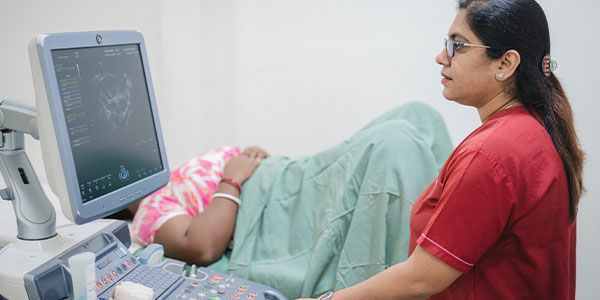
Couples with unexplained infertility issues that standard diagnostic tests cannot identify the reason for implantation failure.
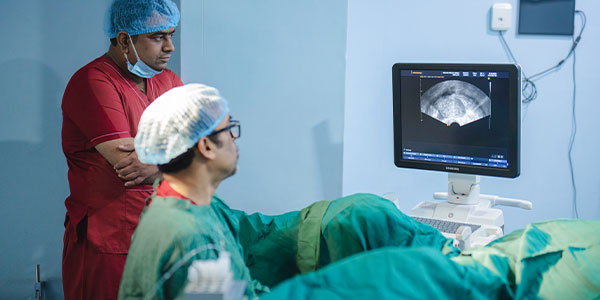
Embryos with a thicker-than-normal outer shell may benefit from laser-assisted hatching to improve the chances of successful implantation.
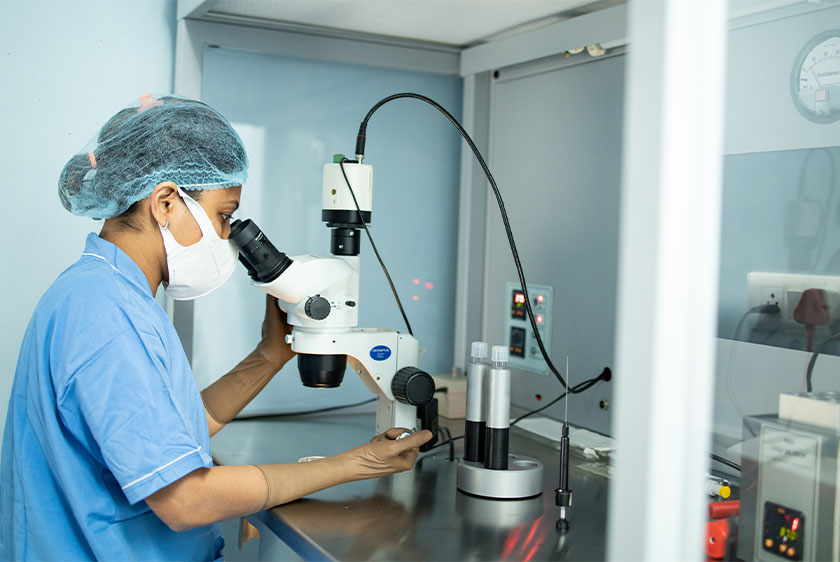
As an NABH-certified IVF Centre, Newlife Fertility Centre strictly adheres to international safety protocols for executing laser-assisted hatching in Siliguri. This procedure is integrated into the IVF and FET cycles, which take place inside a state-of-the-art embryology laboratory just hours before the scheduled transfer. Our expert embryologists utilize a non-contact infrared laser system combined with high-resolution digital imaging to ensure zero cellular stress and safety.
Here are the steps involved in the LAH procedure at our clinic:
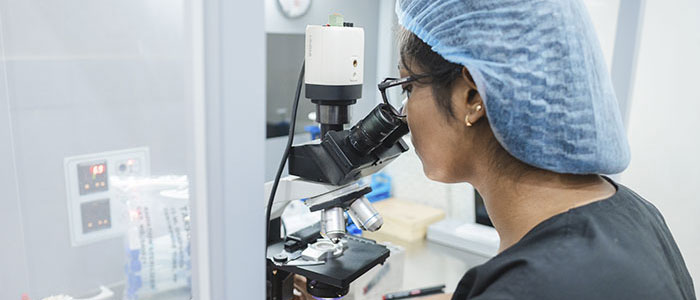
Our senior embryologist carefully evaluates the developing embryos by using a high-powered inverted microscope, which in turn helps in choosing the best one for transfer.
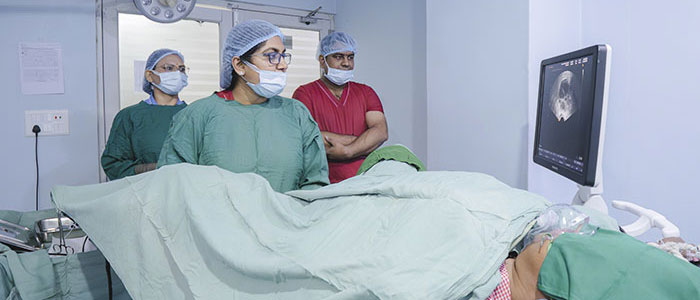
The chosen embryo is placed safely in a temperature-controlled Petri dish containing an optimized culture medium under the laser microscope system.
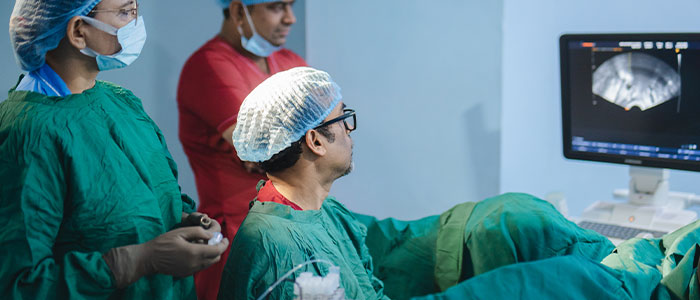
By using advanced computer software, our embryologists map out the embryo structure and accurately target a precise, safe section of the outer zona pellucida shell.
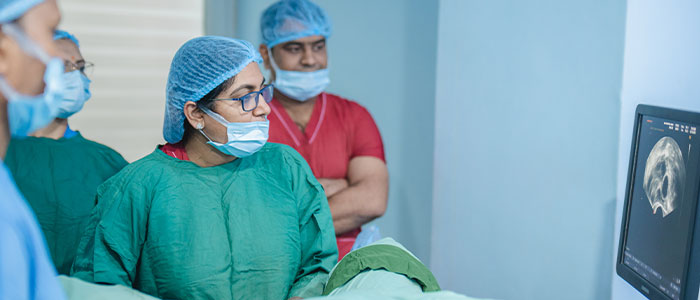
The computer-guided infrared laser fires an ultra-precise pulse that lasts only a fraction of a millisecond to dissolve a microscopic opening in the outer shell layer.

Our embryologist visually checks the microscopic opening to ensure the shell structure is sufficiently thinned or opened without any thermal transfer.
The hatched embryo is immediately returned to a specialized incubator to stabilize it under ideal physiological conditions for a brief period.
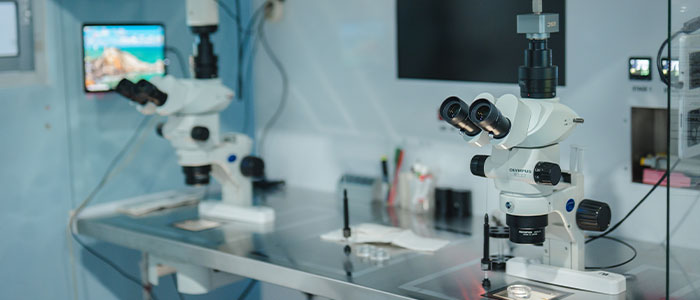
This is the final step where the embryo is gently loaded into a transfer catheter and placed into the uterus. Due to the use of LAH, the embryo can easily emerge from the weakened shell.
Several studies have shown that Laser Assisted Hatching significantly improves pregnancy outcomes for couples facing specific fertility challenges. The main purpose of using LAH is to remove the physical barrier hampering the ability to conceive. While standard IVF relies on the embryo's natural ability to rupture its outer shell, the inclusion of LAH boosts clinical pregnancy and live birth rates significantly.
Here is a clinical comparison of the top factors that determine success rates with and without LAH for frozen embryo transfers (FET) and cleavage-stage cycles:
| Metrics | Success Percentage With LAH | Success Percentage Without LAH |
|---|---|---|
| Clinical Pregnancy Rate | 37 - 40% | 27 - 30% |
| Embryo Implantation Rate | 30 - 45% | 18 - 27% |
| Live Birth Delivery Rate | 25 - 40% | 20 - 22% |
| Complete Hatching Rate | 80 - 85% | 2 - 5% |
| Safety of Neonatal Health | No negative difference | Baseline standard |
Note: The success rates are estimates and can vary as per individual health conditions.
Like other types of medical interventions, Laser Assisted Hatching (LAH) has benefits as well as risks. Couples facing reproductive barriers can benefit tremendously through LAH because it serves as a crucial tool to bypass the physical barriers of implantation. However, the use of micromanipulation of living tissue involves a risk associated with its precision. Before undergoing laser-assisted hatching in Siliguri, here are the benefits and risks of the process that you should be aware of to make informed decisions:
Laser-Assisted Hatching (LAH) offers several advantages that can improve embryo implantation and IVF outcomes.
Although Laser-Assisted Hatching is considered safe, it has certain limitations and risks that should be carefully evaluated.
In contemporary IVF practices, combining Laser Assisted Hatching (LAH) with a Frozen Embryo Transfer (FET) cycle has become a highly effective strategy to overcome unexplained implantation failure. Cryopreservation allows couples to save high-quality embryos for future attempts. However, the freezing and thawing process can cause structural alterations in the protective outer shell of the embryo. At Newlife Fertility Centre, we carefully introduce LAH and FET procedures to avoid the risk of structural alteration.
Here are the factors that make LAH and FET work well together:
Thawed embryos need to implant within a strict biological window. LAH ensures that the embryo hatches right on time to meet the receptive uterine lining.
Since the laser creates an opening only by touching the exterior shell, the inner cellular mass of the thawed embryo avoids any type of physiological stress.
The intense cooling and thawing process causes the zona pellucida to undergo a structural hardening effect, which LAH effectively removes.
For couples utilizing pre-implantation genetic testing (PGT) on frozen embryos, LAH serves as a seamless, safe follow-up step to ensure successful uterine alignment.
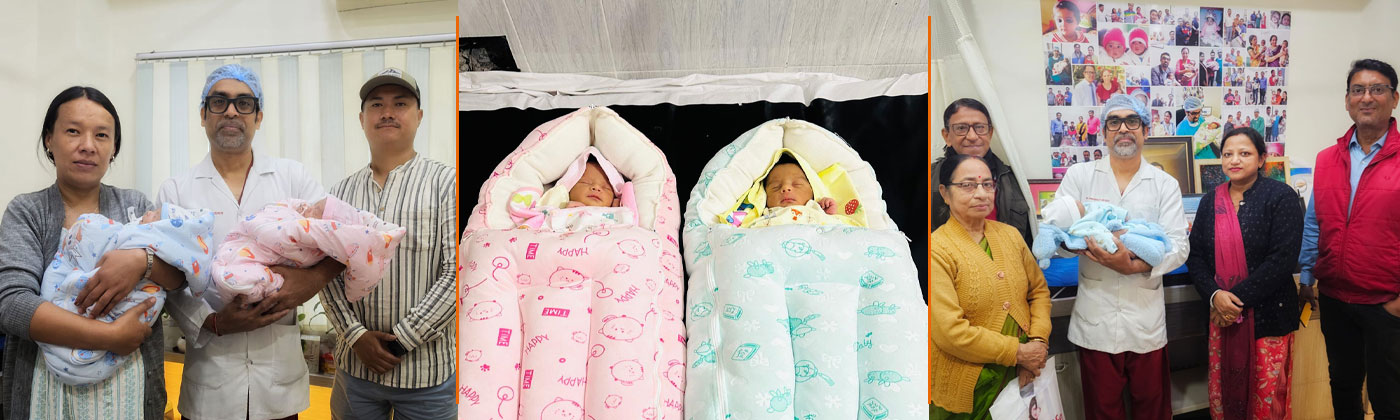
When it comes to advanced reproductive technologies like Laser Assisted Hatching (LAH), the quality of the laboratory and the expertise of the medical team directly impact your chances of success. Newlife Fertility Centre stands out as the best choice for LAH in Siliguri due to its transparent costs, use of world-class technology, and prioritization of precise safety. Here are some of the top reasons to choose us for laser-assisted hatching:
We house an advanced, ultra-modern cleanroom laboratory equipped with cutting-edge, non-contact infrared laser systems designed for flawless micromanipulation.
Our accreditation from the National Accreditation Board for Hospitals & Healthcare Providers guarantees that your treatment meets the highest national standards of safety and quality control.
Newlife holds a distinguished track record of achieving successful pregnancies for patients dealing with advanced maternal age, repeated implantation failures, and complex Frozen Embryo Transfers (FET).
Our procedures are performed exclusively by full-time, internationally trained embryologists who possess specialized expertise in computer-guided laser technology.
From initial diagnostic screening and advanced laboratory procedures to post-transfer monitoring and early pregnancy care, your entire journey is managed seamlessly within our facility.
Every treatment plan is customized based on the patient's fertility history, embryo quality, and clinical evaluation to maximize the chances of a successful pregnancy.