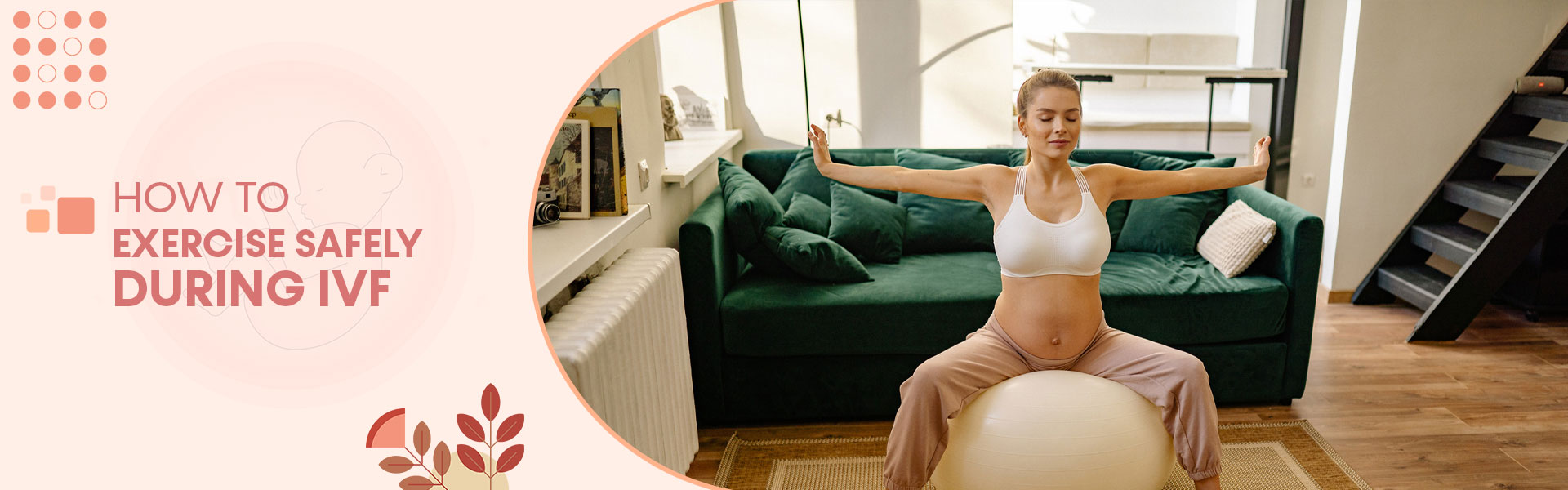
Physical Activity Guidelines During IVF: Clinical Recommendations for Patients
Navigating fertility treatment involves balancing physical health with the specific clinical requirements of assisted reproductive cycles. Understanding appropriate physical activity levels during In Vitro Fertilization (IVF) supports overall wellness while ensuring safety during treatment.
It is a common misconception that patients must completely cease physical activity during IVF. At New Life Fertility Centre in Siliguri, clinical guidance supports safe, moderate physical activity tailored to specific treatment phases. This overview outlines appropriate physical activity guidelines during an IVF cycle.

Rationale for Physical Activity During IVF
Moderate physical activity can offer physiological and psychological benefits when aligned with clinical protocols:
- Supporting healthy pelvic circulation
- Assisting with metabolic and endocrine regulation
- Promoting stress reduction and emotional well-being
- Supporting an optimal Body Mass Index (BMI) prior to treatment
- Enhancing overall quality of life during the treatment cycle
Physical activity parameters must be adjusted during specific clinical phases, such as controlled ovarian stimulation, oocyte retrieval, and the post-transfer implantation window.
Individualized Activity Planning
Physical activity during IVF should remain moderate and non-strenuous.
Patients should consult their attending physician regarding appropriate activity levels throughout their treatment cycle.
- Limit routines to low- to moderate-intensity workouts.
- Avoid high-exertion or high-impact training regimens.
Recommended Low-Impact Activities During IVF
Gentle physical activities that avoid excessive intra-abdominal pressure or pelvic strain are generally recommended by reproductive specialists:

Walking
Walking is a low-impact cardiovascular activity that supports circulation without placing excessive stress on joints or pelvic structures. Daily walks of 20 to 30 minutes are generally well-tolerated.
Prenatal Yoga
Modified prenatal yoga focusing on gentle stretching, mobility, and breathwork can promote relaxation and flexibility without deep abdominal twisting or excessive strain.
Modified Pilates
Mat-based exercises adapted for preconception care can support core stability, provided high-intensity abdominal crunches and heavy straining are avoided.
Stationary Cycling or Elliptical Training
Low-resistance stationary cycling or elliptical use can maintain cardiovascular fitness at a moderate, controlled pace.
Swimming or Water Aerobics
Buoyancy in water reduces joint and skeletal stress while providing low-impact cardiovascular conditioning.
Tai Chi
Controlled, graceful movements combined with focused breathing can support stress management and relaxation.
Activities to Avoid During IVF
Certain strenuous activities can interfere with treatment safety, particularly as the ovaries enlarge during controlled ovarian stimulation.
Activities restricted during treatment include:
High-Impact Exercises
- Long-distance running or high-mileage running programs
- High-Intensity Interval Training (HIIT)
- Jumping jacks, burpees, or plyometric movements
- High-impact dance cardio
High-impact movements involving twisting, running, or jarring can increase the risk of ovarian torsion - a medical condition where an enlarged ovary twists on its vascular pedicle.
Heavy Resistance Training
- Heavy barbell squats
- Deadlifts
- Intense abdominal crunches
Activities that generate significant intra-abdominal pressure are generally restricted during active stimulation cycles.
Contact or Collision Sports
- Team contact sports
- Martial arts
Activities carrying a risk of abdominal trauma or physical collision must be avoided during fertility treatment.
Clinical Indications to Pause Physical Activity
There are specific clinical milestones during an IVF cycle when physical activity should be temporarily suspended:
During the Oocyte Retrieval Peri-Procedural Phase
Following controlled ovarian stimulation, the ovaries are temporarily enlarged and sensitive. Strenuous activity during this phase increases the risk of complications such as ovarian torsion; relative rest is advised.
During the Two-Week Post-Transfer Implantation Window
Following embryo transfer, patients are typically advised to avoid strenuous physical exertion during the early implantation phase. Light, non-strenuous daily activities are generally permitted as advised by the attending physician.
Activity Duration and Frequency Guidelines
General parameters recommended during treatment:
- Limit low-impact sessions to moderate durations (e.g., 20 to 30 minutes).
- Avoid exercising to the point of exhaustion or breathlessness.
Fatigue, pelvic pressure, or discomfort are indicators to rest. Patients should always listen to their bodies.
Understanding Ovarian Torsion
Ovarian torsion is a known medical consideration during ovarian stimulation when follicular development significantly increases ovarian volume. Rapid rotational movements can compromise vascular perfusion to the ovary, representing a surgical emergency.
Adhering to activity restrictions helps minimize this procedural risk.
Undergoing assisted reproductive technology requires careful coordination between medical protocols and lifestyle management. Maintaining physical health does not require high-intensity training; rather, selecting safe, moderate activities in consultation with your reproductive specialist supports a balanced treatment experience. Patients may consult with specialists across our regional centers in North Bengal - such as in Cooch Behar and Alipurduar - to establish personalized activity guidelines.