In Vitro Fertilisation (IVF) is a form of assisted reproductive technology (ART) that involves fertilizing an oocyte with sperm outside the body within a specialized clinical laboratory environment. The objective is to cultivate an embryo for subsequent transfer into the uterine cavity. According to World Health Organization (WHO) reports, infertility affects a significant proportion of individuals globally, underscoring the clinical relevance of assisted reproductive options.
IVF treatment requires advanced medical infrastructure, skilled embryology expertise, and rigorous clinical oversight. Therefore, consulting an established fertility clinic is essential for receiving a comprehensive diagnostic evaluation and determining the appropriate medical management tailored to individual health profiles.
Here are the clinical conditions that are commonly evaluated when considering IVF treatment:
Tubal factor conditions occur when the fallopian tubes are blocked, damaged, or surgically removed, preventing natural sperm-egg union or embryo transport. IVF serves as an established medical approach in such cases by facilitating fertilization and embryo culture in a specialized laboratory setting, bypassing the fallopian tubes entirely.
Endometriosis involves the presence of endometrial-like tissue outside the uterine cavity, which can lead to pelvic inflammation, adhesions, and anatomical distortion impacting fertility. When initial medical or surgical treatments do not resolve conception difficulties, a fertility specialist may recommend IVF following a thorough clinical evaluation.
Women aged 35 years and older experience a gradual decline in ovarian reserve and oocyte quality, which can impact natural conception rates and early pregnancy stability. IVF protocols are frequently utilized in patients of advanced maternal age to retrieve available oocytes and support controlled embryo development.
When semen parameters such as sperm count (oligospermia), motility (asthenospermia), or morphology (teratospermia) are significantly altered, natural conception can be challenging. In such cases, fertility specialists may recommend IVF integrated with Intracytoplasmic Sperm Injection (ICSI) to facilitate fertilization.
Couples carrying known genetic mutations or chromosomal abnormalities may be advised to undergo IVF combined with Pre-implantation Genetic Testing (PGT). This technology allows clinical evaluation of embryos prior to uterine transfer, enabling the selection of unaffected embryos for implantation.
In cases where standard diagnostic evaluations do not identify a specific cause for infertility after comprehensive testing, IVF may be considered as part of an individualized management plan to assist couples in achieving pregnancy through controlled clinical protocols.
Here are the step-by-step clinical stages involved in IVF treatment:

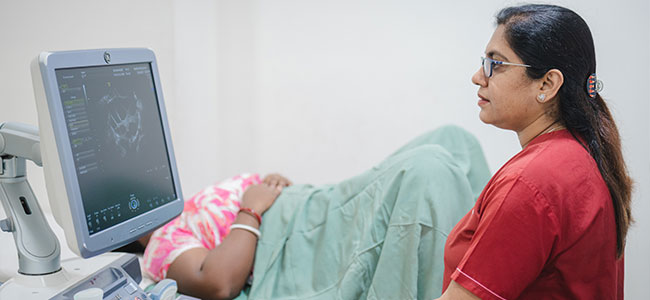
This initial stage involves a comprehensive consultation at a specialized fertility clinic like New Life Fertility Centre. Fertility specialists conduct a detailed medical evaluation utilizing diagnostic assessments, including blood hormone panels and pelvic ultrasounds, to identify underlying reproductive factors in one or both partners.
Following clinical evaluation and protocol selection for an IVF cycle, controlled ovarian stimulation is initiated using gonadotropin medications (such as FSH and LH analogues) to stimulate multifollicular development. A final maturation trigger injection (such as hCG or GnRH agonist) is administered at a precisely timed interval prior to oocyte retrieval to support final oocyte maturation.

Oocyte retrieval is performed under sedation or anesthesia. Using transvaginal ultrasound guidance, a specialized aspiration needle is introduced to collect follicular fluid containing oocytes from the ovaries. The retrieved oocytes are identified and managed by embryologists in the IVF laboratory. A semen sample is also collected on the same day for processing.

Retrieved oocytes are combined with prepared sperm via standard insemination or Intracytoplasmic Sperm Injection (ICSI) under controlled laboratory culture conditions to achieve fertilization outside the body.

Fertilized oocytes are maintained in specialized laboratory incubators over a 5 to 7 day culture period until they reach the blastocyst stage. Embryologists monitor development and evaluate morphological grading parameters to select suitable embryos for clinical use.

During embryo transfer, an IVF specialist places a selected embryo into the uterine cavity using a fine, flexible catheter under ultrasound visualization. Following the procedure, a standardized post-transfer monitoring and luteal support waiting period is observed prior to follow-up testing.

A quantitative serum beta-hCG blood test is performed following the standard waiting period after embryo transfer to evaluate treatment outcome and confirm clinical pregnancy status.
Copyright © Newlife Fertility Centre, 2026