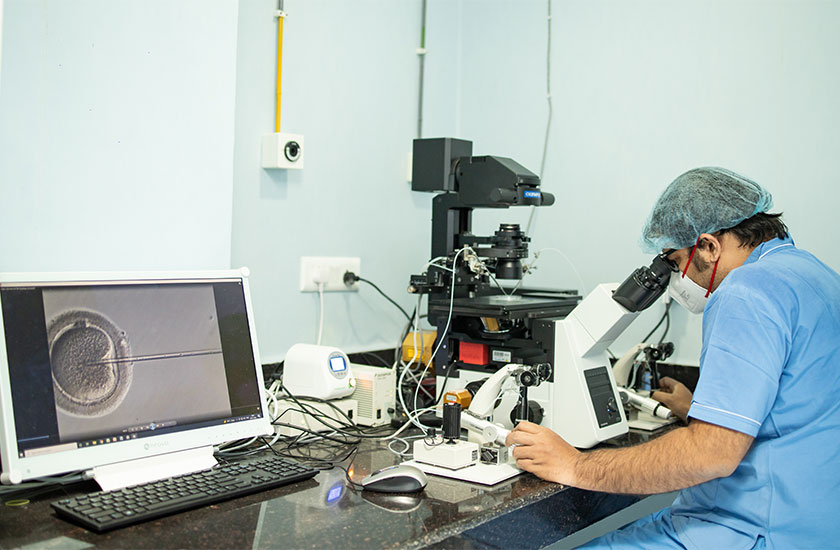
According to the Emory University School of Medicine, embryo transfer is a process in which fertilized eggs are transferred into a woman’s womb. It takes place 2- 5 days after egg retrieval and fertilization, that is, when the eggs are extracted from the follicles after they mature and are fertilized with sperm. If the woman has frozen embryos, the frozen embryo transfer may take place at varying times during her cycle. Embryo transfer is the last step in IVF treatment.
The steps involved in embryo transfer include preparing the uterus, selecting the embryo, preparing for implantation, inserting the catheter, and finally placing the embryo in the uterus. Embryo transfer is one of the final stages in IVF treatment. It is quick and generally does not require anesthesia.
The fertility specialist checks whether the endometrium (uterine lining) is properly prepared. It may be prepared through a natural cycle or with hormonal medication depending on the treatment plan. The doctor may use ultrasound to assess the thickness and appearance of the endometrium.
A suitable embryo is selected by the embryologists. For this, the embryo's development and quality are tested. In the case of a frozen embryo, the embryo is thawed in the laboratory before the process.
A thin, flexible catheter is passed into the uterus through the cervix. To position the catheter properly, the doctor may use ultrasound. Once it reaches the favourable position, the embryo is released into the uterus, and the catheter is removed.
Once the embryo is transferred, the patient may return home after a short duration of observation. The doctor may prescribe progesterone or some other medication to support the uterine lining. The fertility specialist recommends a particular waiting period before the pregnancy test can be taken.
The buzz around frozen embryo transfer has grown in the past few years as it has given new hope for couples who want to postpone pregnancy. For this, the uterine lining is prepared, and the frozen embryo is thawed and subsequently transferred into the uterus.Want to understand embryo transfer in more detail? Watch the video below, where a fertility specialist explains the procedure and what to expect.
The embryo is transferred around 2 to 3 days after fertilization.
The embryo is transferred around day 5 to 6 after fertilization.
In most fertility clinics, the embryo is implanted at the blastocyst stage. This is because it gives the fertility specialists more time to monitor the development of the embryo.
| Feature | Fresh Embryo Transfer | Frozen Embryo Transfer |
|---|---|---|
| Timing | Same IVF cycle | Later cycle |
| Embryo | Freshly developed embryo | Frozen and thawed embryo |
| Egg retrieval | In the same cycle | Completed before the transfer cycle |
| Uterine preparation | Occurs alongside ovarian stimulation | Natural or hormone-prepared cycle may be used |
| Flexibility | Less | More flexibility in scheduling |
| Hormonal environment | May be affected by ovarian stimulation | Can allow transfer in a separately prepared cycle |
| Additional freezing | Not required for transferred embryo | Embryo must undergo freezing and thawing |
Success rates vary considerably between individuals and fertility clinics. Factors like age, uterine health, embryo quality, infertility causes, embryo genetic status, and the clinic’s laboratory performance influence the success rates to a large extent. Thus, the patient should not choose only on the basis of success factors. Discuss with the fertility doctor, weigh the pros and cons of each, and make an informed decision.
In a randomized trial conducted by The New England Journal of Medicine, women who were undergoing their first IVF cycle were assigned to receive either a fresh embryo or a frozen embryo. The result showed that there was no significant difference in live births between the two methods. For the fresh embryo transfer, the success rate was 50.2%, and for frozen embryo transfer, it was 48.2%.
Another randomized trial was conducted by the same institute involving women without PCOS. In this trial, there was also no significant difference. For fresh embryo transfer, the success rate of live birth was 31.5%, while for frozen ones it was 33.8%.
However, the result was significantly different when the women had PCOS(polycystic ovary syndrome), a condition in which the body creates an imbalance of reproductive hormones, resulting in the production of large quantities of the male hormone called androgens; frozen embryo transfer resulted in a higher live birth rate of 49.3% than fresh embryo 42.0%.
Estimate Your Chances of Pregnancy Through IVF
Get a personalized estimate based on age, medical factors, and treatment history.
The preparation for embryo transfer generally involves taking prescribed medicine, adhering to instructions for bladder preparation, informing the medical team about your medications and supplements, following food and drink instructions, and complying with the doctor’s instructions after the embryo transfer. The preparation may vary depending on whether you have chosen fresh or frozen embryo transfer; thus, sticking to the doctor’s prescription is paramount.
The doctor may prescribe medications like progesterone or some other hormone medicine to prepare and support the uterine lining. The patient is not supposed to stop, change, or skip medication without consulting the doctor.
Fertility clinics usually recommend arriving at the clinic with a full bladder because it facilitates clear visibility of the uterus and also assists the doctor in placing the catheter at the right spot.
Inform about all prescription medicines, vitamins, over-the-counter medicines, and supplements to the fertility team beforehand. The doctor can then evaluate if anything needs to be continued, adjusted, or avoided.
Adhere to the instructions provided by the fertility team with respect to eating, drinking, and medication on the day of the transfer rather than assuming any particular thing yourself.
Before returning home, make sure that you understand the medication schedule, which activities to perform, what to avoid, and the pregnancy test date. Continue the prescribed medicines unless the doctor says otherwise.
Embryo transfer success can be affected by embryo quality, age, uterine and endometrial health, and embryo development. These factors are explained below in detail.

It provides details about how well the embryo has developed and its potential to implant in the uterus. Embryologists assess the embryos based on their appearance and development. Embryos with favourable development characteristics have better implantation potential.

This is an important factor because egg quality changes with age. With age, chromosomal abnormalities in the egg increase. Also, it reduces the potential to create embryos with development potential.
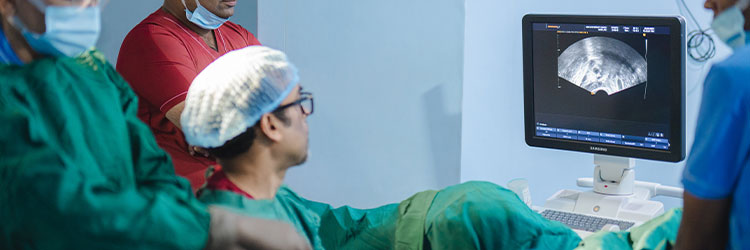
The doctor looks for the thickness of the endometrium (uterine lining). A thicker endometrium has better chances of implantation. Additionally, if the uterus has issues like fibroids, polyps, adenomyosis, scar tissue, etc., it may hamper the chances of pregnancy.
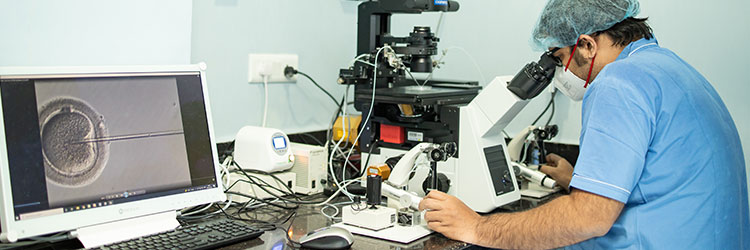
It shows how an embryo is progressing after fertilization and whether it's developing appropriately for transfer or freezing, and helps embryologists select a suitable embryo for transfer.

Health conditions like thyroid issues, diabetes, or high blood pressure may require treatment before proceeding with IVF. Adequate nutrition, sufficient sleep, and avoiding tobacco and excessive drinking may provide a good environment for the embryo to develop.
The risks involved with embryo transfer are cramping or discomfort, light spotting, infection, failed embryo implantation, or sometimes multiple pregnancies. However, being a simple and minimally invasive procedure, major complications are rare.

Patients might experience mild abdominal or pelvic cramping shortly after embryo transfer. Discomfort or a feeling of pressure may also occur during the passing of the catheter through the cervix.

When the catheter passes through the cervix, some amount of vaginal spotting may occur. This does not mean that the embryo transfer has been unsuccessful. However, heavy bleeding should be reported to the fertility team.
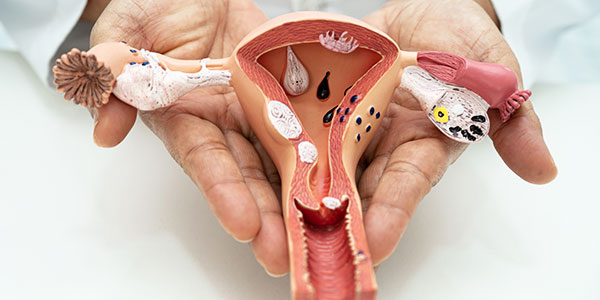
Quite uncommon; however, it involves passing the catheter through the cervix and thus sometimes infection might occur. To prevent this, the clinic uses sterile equipment to safely complete the procedure.

Embryo transfer does not guarantee implantation or pregnancy. At times, implantation may not occur even with a good quality embryo. This could be due to age, uterine health, chromosomal factors, or some other factor.

If more than one embryo is transferred, multiple pregnancies may occur, putting both the mother and the babies at risk. This is why doctors prefer single embryo transfer.
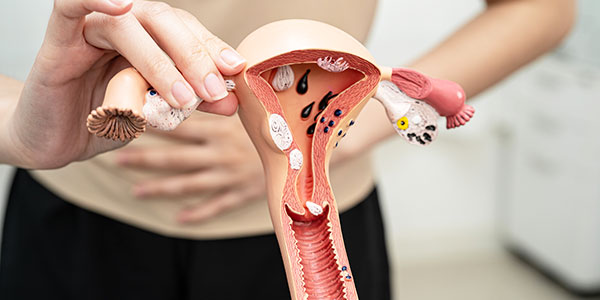
Rarely, the embryo may get implanted outside the uterus, such as in the fallopian tube. This requires medical assistance.