

Anti-Müllerian hormone is a hormone that is produced by small follicles developing in the ovaries. It is higher in male fetuses because it prevents them from developing female reproductive organs. Female fetuses have this hormone only in small amounts. For a female who is undergoing fertility treatment, an AMH test is performed to assess the ovarian reserve of the female, which refers to the approximate number of eggs remaining in the ovaries.
While a low AMH generally means a lower ovarian reserve, it is only one of the factors in a comprehensive fertility assessment. It does not measure egg quality and cannot, by itself, predict if someone will conceive naturally.
A low AMH level usually means that the ovarian reserve has reduced; that is, the egg supply from the ovaries has diminished. However, it is not a measure of egg quality and therefore does not mean that a woman with low AMH cannot get pregnant naturally. If you want to know more about what low AMH levels mean for your fertility journey, you can check out this video:
According to the Cleveland Clinic, the AMH test measures the amount of Anti-Müllerian hormone in the blood. AMH is produced in all genders; however, doctors usually examine females for this hormone. It is done for the following reasons-
This test is performed to assess ovarian reserve. Ovarian reserve is the egg supply remaining in the ovaries.
At times, it forms part of a broader fertility examination, particularly when the doctor wants to know the ovarian function along with other factors.
Doctors may assess ovarian reserve before planning IVF or other ARTs (Assisted Reproductive Technology). AMH tests can help in making decisions regarding the stimulation approach and predict how the ovaries might respond to fertility medicines.
AMH enables the doctor to envisage ovarian response during controlled ovarian stimulation. Generally, lower AMH levels indicate lower response, and higher AMH levels indicate higher response.
An AMH test may be prescribed amid concerns that the ovarian reserve could be lower than expected. This could be relevant in fertility evaluations or when there are clinical factors that could affect ovarian reserve.
AMH is sometimes higher in people with PCOS (polycystic ovary syndrome); thus, the doctor may recommend an AMH test, although it alone cannot diagnose PCOS.
An AMH test can be performed at different points during the menstrual cycle. Unlike some reproductive hormones, AMH levels show little variation throughout the cycle and therefore do not need a particular day and time to be measured. Depending on the reason for which it has been recommended, it may be measured accordingly.

It can be measured at any time during the cycle. This makes it convenient relative to other tests like FSH, which can be measured only during a particular phase of the cycle.

In such a case, the fertility specialist may recommend the test before the beginning of the treatment. Through this test, the doctor may evaluate the ovarian reserve and plan the treatment accordingly.

Individuals considering egg freezing may recommend an AMH test. It can provide information about ovarian reserve and help fertility specialists plan suitable treatment.
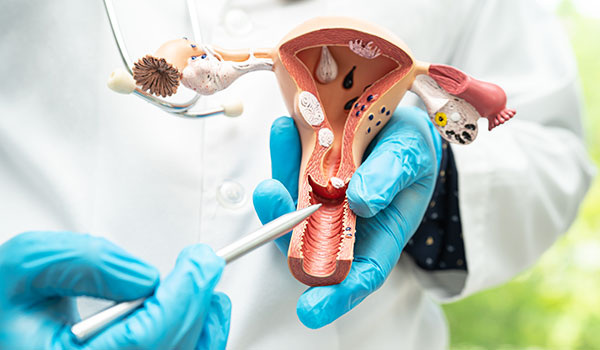
The doctor may prescribe an AMH test amid concerns about diminished ovarian reserve or any other factors that may inhibit ovarian function. The doctor may interpret the test results according to the age, menstrual history, antral follicle count, or some other fertility tests.
AMH levels, in females, begin to rise during adolescence and reach a peak at the age of 25 years. After this, it starts declining with age because ovarian reserve decreases over time. However, there is no single AMH value that can be considered normal for every age.
| Age | AMH levels |
|---|---|
| 25 | 3.0 ng/mL |
| 30 | 2.5 ng/mL |
| 35 | 1.5 ng/mL |
| 40 | 1.0 ng/mL |
| 45 | 0.5 ng/mL |
The results of the AMH test may take a few days to come back from the lab. The test results report the level of Anti-Müllerian Hormone in the blood. It is used to assess the level of ovarian reserve but does not give any information about egg quality and the chances of successful pregnancy.
| AMH levels | What It Indicates |
|---|---|
| Low (under 1.0 ng/mL) | Diminished ovarian reserve and requires fertility evaluation |
| Average (1.0 ng/mL to 3.0 ng/mL) | Expected ovarian reserve as per the person's age |
| High (4.0 ng/mL to 5.0 ng/mL) | May show greater response to fertility medicine |
| Very high (above 10 ng/mL) | Can sometimes be seen with conditions like PCOS and may point to an extremely high response to ovarian stimulation. |
Some important points about the test -