During the first IVF consultation, you can expect a thorough discussion with the doctor, a review of your previous test reports, fertility assessment tests, a discussion about the suitable IVF treatment, and an idea of the IVF success rates and the factors that matter. You may also enquire about the total expenditure to be borne by you.
The first IVF consultation is important to understand what is to be expected in the weeks ahead. It also helps in making informed decisions about the most suitable treatment for your fertility concerns. The consultation is focussed around your medical history, your concerns regarding your infertility, previous treatments, and planning a personalized treatment plan for you.
The first IVF consultation is important because it helps the fertility specialist understand your reproductive health and determine which IVF treatment would be appropriate for you. It also identifies the probable causes of infertility, reviews previous fertility tests, evaluates both partners, helps create a personalized IVF treatment, counsels the patient about realistic expectations from the IVF treatment, explains the estimated cost, and provides the patient the opportunity to ask about their concerns.
An IVF consultation is the first meeting with a fertility specialist to discuss pregnancy challenges, examine reproductive health, and plan individualized treatment options. It generally involves registration with the fertility clinic, providing necessary medical documents, discussing your medical history, diagnostic tests recommended by the fertility specialists, discussion of the available treatment options, and a cost breakdown with financing options. These steps are described in detail below -
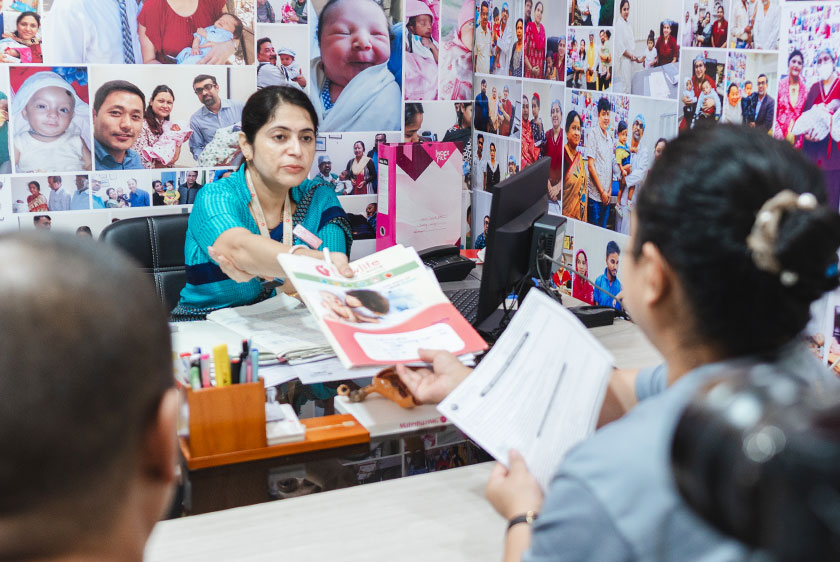
Registration is done at the hospital reception, and essential medical documents are provided. The patient may also provide the details of previous tests undertaken, as this helps the doctor get a comprehensive understanding of the patient's medical history.
Provide information regarding any previous pregnancies, live births, miscarriages, or ectopic pregnancies. This provides important indications about reproductive health, complications that may have occurred, and whether further investigations are needed before planning the treatment.
The menstrual cycle reveals crucial information about ovulation and reproductive hormone function. The doctor may enquire about the length and periodicity of the cycle, duration of the bleeding, and any uncommon occurrences such as pain or heavy bleeding.
If the patient has undergone any previous fertility treatments such as IUI, IVF, ICSI, or ovulation induction, the doctor may ask them to furnish all the details. This informs the doctor about how the ovaries responded to medications, how many eggs or embryos were produced, and any kind of complications.
When coming for the first IVF consultation, coming prepared saves another visit, provides extensive information, and facilitates the patient in making an informed decision regarding which hospital and doctor to choose. Thus, the patient can try to carry the following information and documents with them -
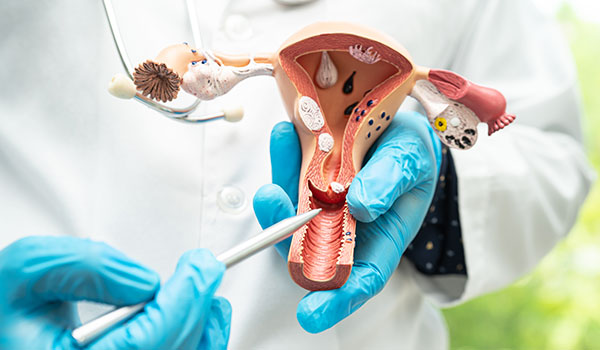
The fertility specialist can better assess the condition of the ovaries, uterus, and reproductive organs. It provides crucial facts about ovarian follicles, fibroids, ovarian cysts, polyps, or other structural findings.
Such tests may provide pertinent data about ovulation and reproductive hormone function. It also assists the fertility specialist in getting an idea about the ovarian reserve and how the patient may respond to ovarian stimulation during IVF.
This report allows the doctor to evaluate male infertility factors, if any, along with female factors. The doctor may then recommend male fertility evaluation or techniques like ICSI.
An HSG (hysterosalpingography) is an imaging test that examines the uterus and whether the fallopian tubes are open or not. Such a report may facilitate the doctor in understanding the reproductive anatomy and whether any further tubal evaluation test is needed.
List all your medications, vitamins, and supplements and share them with the fertility specialist. Some medications might be beneficial for planning pregnancy or fertility treatment. The doctor can then prescribe which ones to continue or adjust accordingly.
The IVF treatment options in Siliguri that may be discussed include ovarian stimulation, trigger medication, egg retrieval, sperm collection, fertilization technique (IVF, ICSI, IUI), and some more. This treatment depends on several factors, such as age, fertility history, ovarian reserve, sperm health, fertility treatment history, etc. It is imperative to get an idea of each stage before starting your IVF cycle.
Fertility medications are administered to encourage the ovaries to develop multiple mature eggs simultaneously. This provides a good opportunity to develop multiple high-quality embryos for transfer or freezing. However, the medicine and dose are individualized depending on the age, ovarian reserve, and response history.
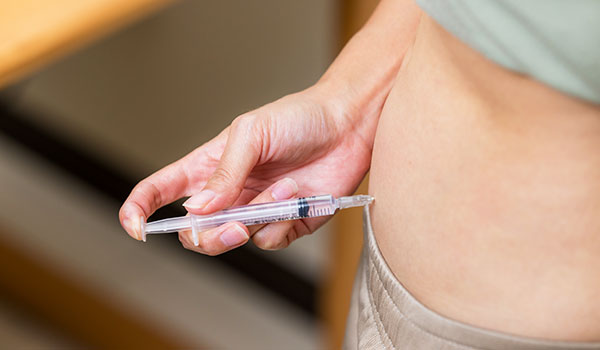
The trigger injection is given to complete the final egg maturation after ovarian stimulation and prepare the eggs for egg retrieval. The important thing here is the timing of the medication. The instructions of the fertility clinic about when the trigger is to be given and when to visit the clinic for egg retrieval must be adhered to.
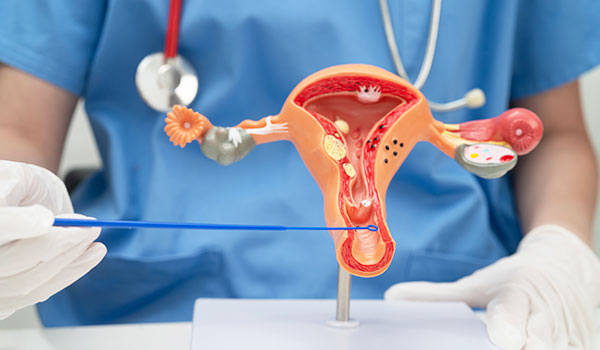
This procedure is performed to collect mature eggs from the ovaries. With the help of ultrasound, a specialised needle collects the ovarian fluid containing the eggs. To make it less painful, appropriate sedation or anesthesia is provided.
A semen sample is collected. After analyzing semen samples in the laboratory, if the sperm is found to be unsuitable for fertilization, the doctor can discuss a further course of action, such as ICSI or treatment for the underlying problem.
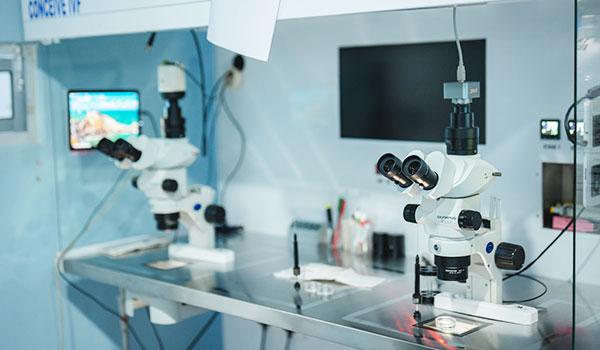
Once all the above steps have been completed, fertilization takes place in the laboratory. However, the most suitable method of fertilization depends on the reproductive health of both the partners and the underlying conditions. Accordingly, Intrauterine Insemination, In-Vitro Fertilization, or Intracytoplasmic Sperm Injection may be opted for.