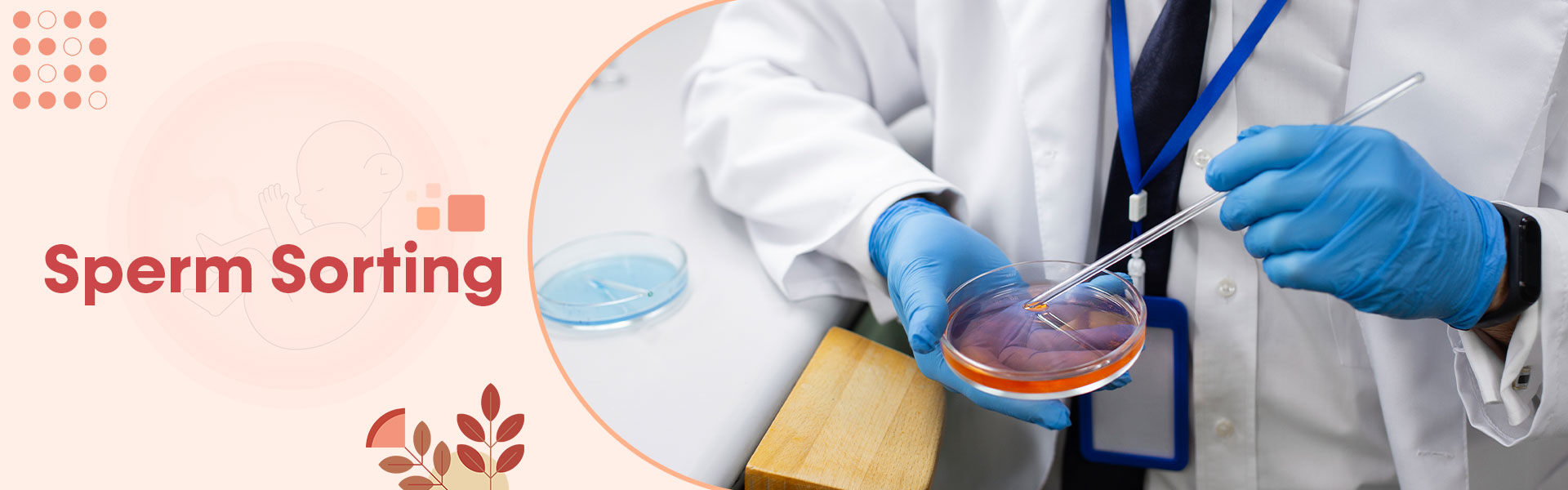
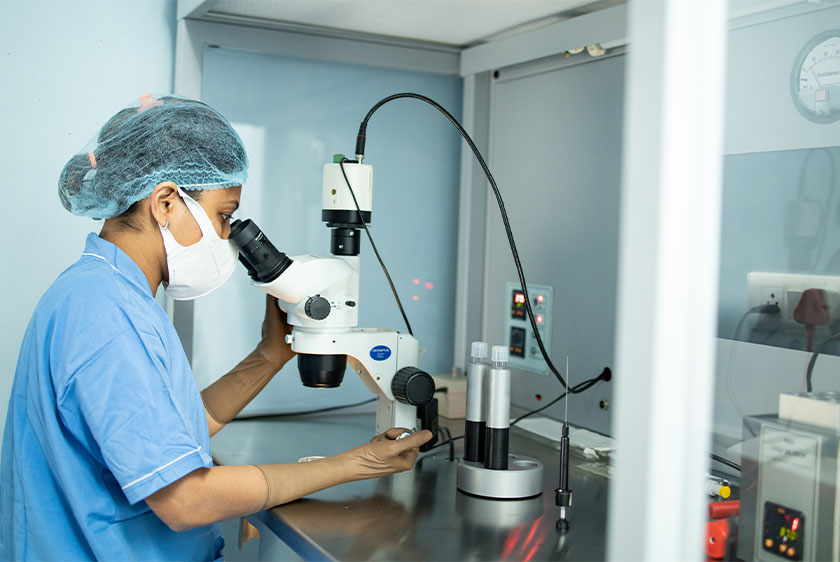
Sperm sorting is a technique to help embryologists identify and select sperm with desirable characteristics for treatments like IVF and ICSI. Selected patients may be considered based on semen parameters, previous treatment history, and the fertility specialist's assessment. Depending on the fertility centre, different types of methods can be used to select sperm based on factors like movement, maturity, and other characteristics. However, sperm sorting does not guarantee fertilisation, embryo development, or pregnancy.
It is usually collected through ejaculating into a sterile and laboratory-provided container. It is done in a private room at a fertility clinic or laboratory. A few clinics may also allow the collection at home.
In this step, specialists evaluate sperm count, mobility, morphology of the sperm, the semen volume and appearance, and other semen parameters like pH, viscosity, etc.
laboratory professionals process the sperm to separate it from other components of the semen. This step usually involves separating the sperm from the semen, concentrating it, separating the motile sperm, and preparing the sample for sorting.
This is the key stage in sperm sorting. Laboratory professionals identify and separate sperm according to characteristics like motility (sperm with progressive movement), morphology (its shape and structure), cellular characteristics, and DNA-related characteristics.
Laboratory professionals can select sperm with specific characteristics like motility, morphology, or particular biological markers.
For patients with semen abnormalities, a fertility specialist may consider a sperm sorting technique after considering the overall fertility assessment.
It can be incorporated into a fertility treatment plan according to the individual's semen parameters, reproductive history, and the type of assisted reproductive technology being considered.
Sperm sorting may be considered for some patients undergoing fertility treatment. However, it might not be necessary for every patient undergoing fertility treatment. The decision depends on factors like semen analysis results, previous fertility treatment history, and the type of assisted reproductive treatment planned.
Sperm sorting can help laboratory professionals prepare a selected sperm population based on specific semen characteristics before it is used in an assisted reproductive procedure.
Sperm sorting has certain limitations, such as not guaranteeing pregnancy, not being appropriate for every patient, not being able to correct underlying sperm problems, requiring specialised laboratory techniques, and others. These limitations are explained below in detail -

Estimate Your Chances of Pregnancy Through IVF
Get a personalized estimate based on age, medical factors, and treatment history.
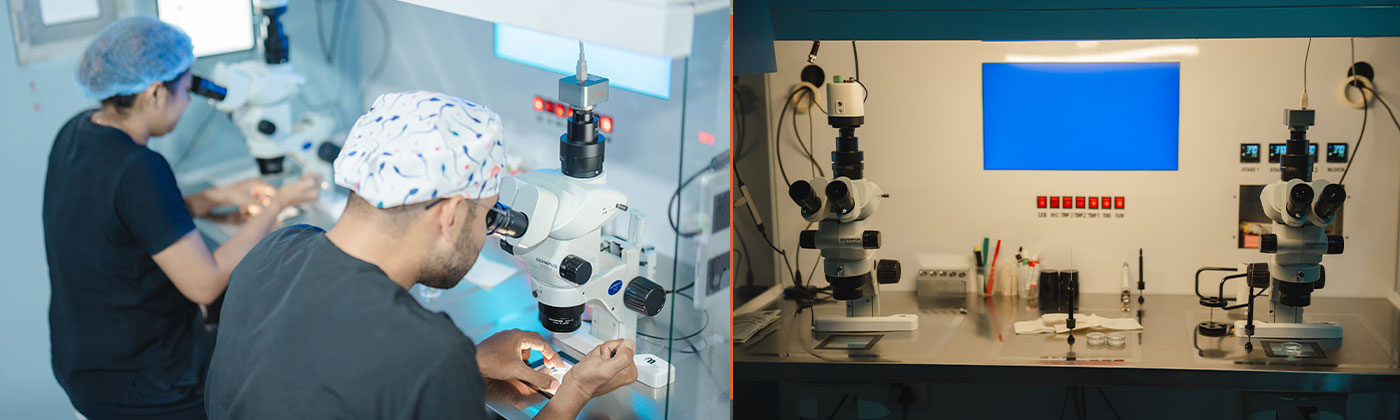
Several laboratory techniques can be used to select and prepare sperm for assisted reproductive treatment. The choice varies depending on the semen analysis, treatment plan, laboratory facilities, and the fertility specialist’s assessment. Some of the techniques are explained below -
It is a common technique rather than a specialized sperm sorting method. The semen is placed over layers of different densities and centrifuged. Sperm with better movement and density collect in a particular layer while others are separated.
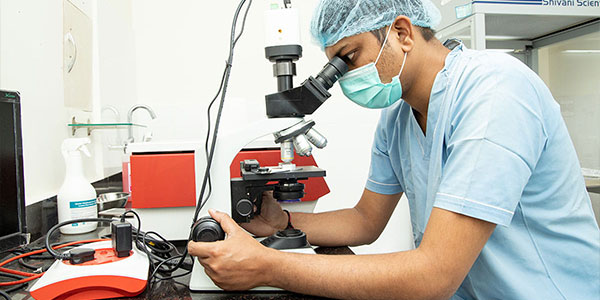
Motile sperm are made to move in a sperm-friendly culture medium. For further preparation, the laboratory specialists can collect the actively moving sperm.
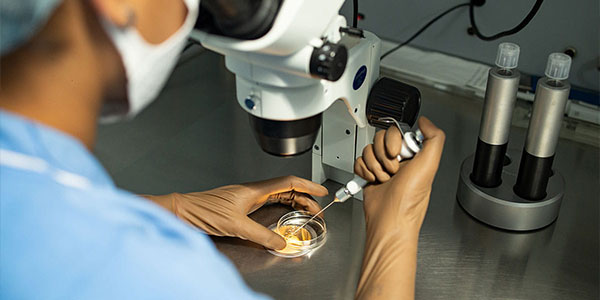
It helps in separating specific cell types from a mixed population using tiny magnetic particles. It may reduce the proportions of sperm showing markers of apoptosis or programmed cell death. The remaining sperm is then collected for further processing.
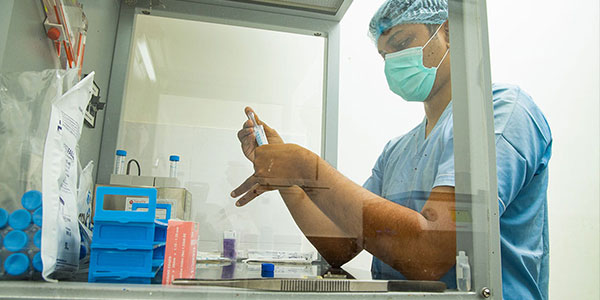
This method uses very small channels to separate sperm based on certain characteristics like movement and physical properties. The motile sperm move through the device while other components are left behind.
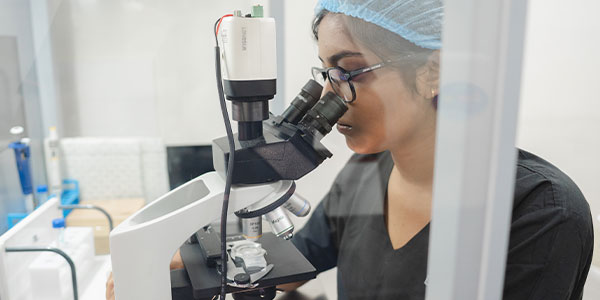
Sperm that bind to HA may display characteristics associated with greater maturity. This method is particularly useful during ICSI.
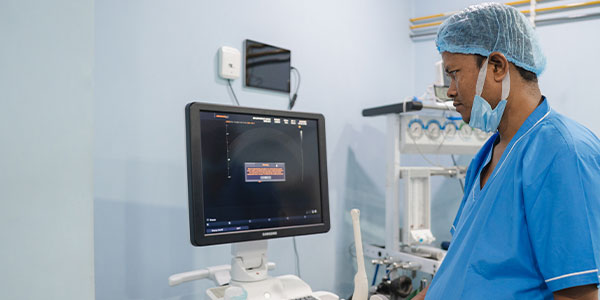
It can analyse individual sperm according to cellular or molecular characteristics. Its use heavily depends on clinical purpose, equipment, and applicable regulations.
The cost of sperm sorting in Siliguri varies according to the technique used, the fertility clinic, the personalized treatment plan, and the laboratory facilities. However, individuals can get an overview of the costs through the table below -
| Component | Cost |
|---|---|
| Initial fertility consultation | 500-2000 |
| Basic semen analysis | 1000-5000 |
| Semen preparation | 5,000-10,000 |
| Advanced Sperm Retrieval(TESA, MESA, Micro-TESE) | 15,000 - 1,00,000 |
| Overall IVF/ICSI Cycle (with advanced sperm processing included) | 80.000-2,50,000 |