IVF success depends on many factors, such as age, egg and sperm quality, embryo quality, reproductive health, lifestyle, underlying medical conditions, and fertility treatment approach. Biologically, it depends on egg quality and ovarian reserve, sperm quality, embryo quality, and uterine health.
As per the Mayo Clinic, the factors that affect IVF success rates depend on several factors: maternal age and sperm quality, embryo status, reproductive history, the cause of infertility, and lifestyle factors. At times, the quality of the IVF laboratory and the expertise of the embryology team also affect the treatment outcome. Below is an in-depth explanation of some of the above-mentioned factors and a few additional ones -
with age, particularly after mid-30s, both the egg quality and quantity may diminish. This can affect fertilisation, embryo development and the chances of pregnancy.
the number and quality of eggs may affect ovarian stimulation and the number of embryos that can be developed. Ovarian reserves are assessed through tests like AMH and antral follicle count. However, these tests do not measure egg quality.
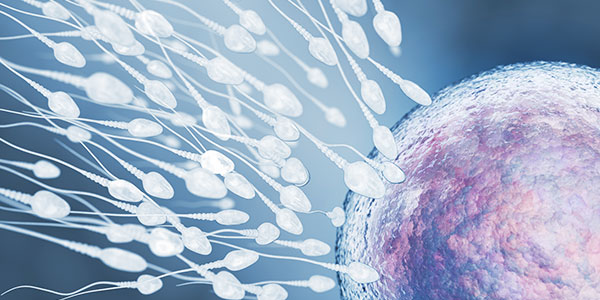
sperm movement, concentration, and shape may influence fertilization and embryo development. Based on the situation, the doctors may prescribe sperm procedures such as ICSI.
embryos are assessed based on their development and appearance to determine the suitability for embryo freezing or transfer.
the condition of the uterus and other reproductive organs has a direct influence on implantation and pregnancy. Fibroids, adenomyosis, endometriosis, polyps, and other abnormalities of the uterus may need to be addressed, etc.
Issues like PCOS, thyroid, diabetes, endometriosis, or other reproductive health problems can have a bearing on fertility and pregnancy outcomes.
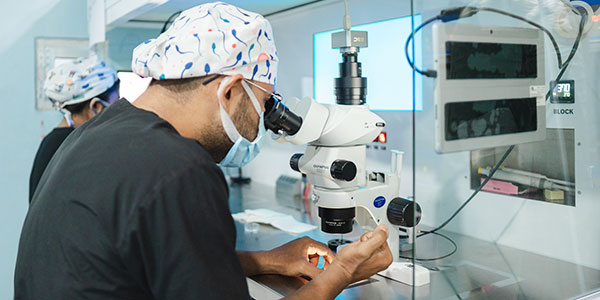
Laboratory conditions, embryo culture technologies, equipment, and embryology practices all play an important role in IVF. Thus, careful handling of eggs, sperm, and embryos is essential.
This might be useful to understand how a person responds to stimulation, fertilization, embryo development, and embryo transfer. Doctors can then use this information to evaluate what went wrong in the previous cycle and make appropriate changes.
Excessive alcohol consumption, smoking, insomnia, nutritional deficiencies, and other lifestyle factors can affect reproductive health.
Before planning IVF treatment, it is vital to understand the factors that affect IVF treatment from a fertility specialist. In this video, Dr. Shefali Bansal Madhav informs people about these factors in detail.
Watch the video to learn more about the factors that can affect IVF success rates.
When IVF success rates are being compared, it is imperative to understand what the reported percentage actually measures. Two success rates cannot be compared directly because clinics may use different outcomes. An in-depth explanation of the parameters is given below -
This is the percentage of IVF cycles or procedures that result in confirmed pregnancy. The confirmation of pregnancy is based on a defined method.
It is more specific than the pregnancy rate. The pregnancy is confirmed clinically through ultrasound evidence of a gestational sac. It provides additional information beyond just a positive pregnancy test.
It is the percentage of IVF cycles, egg retrievals, or embryo transfers that result in the delivery of at least one live-born baby. It is often considered a more meaningful outcome when assessing the overall effectiveness of IVF.
It is the mathematical probability that a single, independent round of IVF treatment will result in pregnancy or live birth.
This parameter measures the outcome after an embryo is transferred into the uterus. It must not be confused with success per IVF cycle.
Yes, previous IVF history can provide doctors with useful information for planning treatment. However, a failed IVF treatment does not mean that another attempt will not be successful. Doctors may look for the following information -
Fertility specialists may look for how the ovaries responded to previous stimulation and how many follicles developed.
The number, maturity, and quality of eggs can help doctors understand how well the ovaries responded and guide future treatment planning.
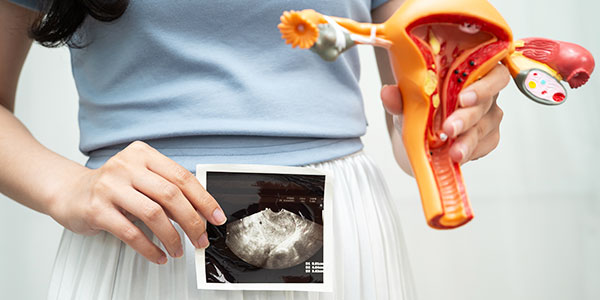
The percentage of eggs that are fertilized may provide information about egg- or sperm related factors.
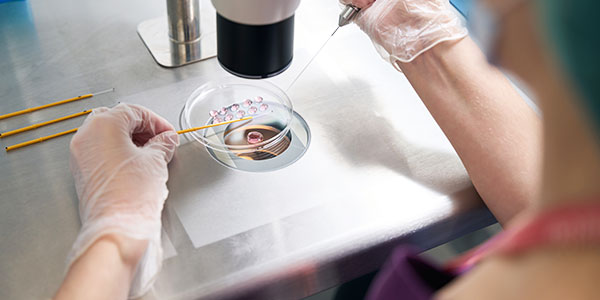
Doctors examine how many embryos developed and if they reached the required developmental stages.
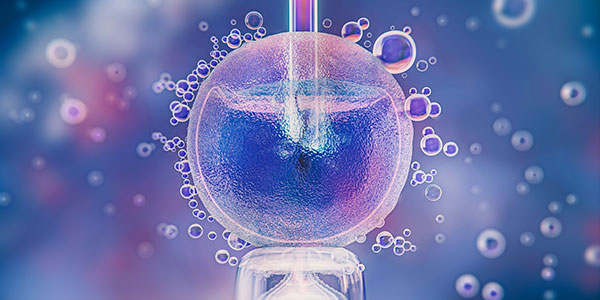
The number, type, and timing of previous transfers may be examined along with conditions surrounding each transfer.
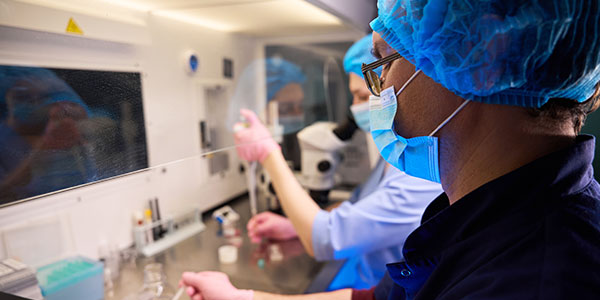
If pregnancy occurred previously, doctors may consider how it progressed and if any complications occurred.
No, IVF success is not guaranteed. It is a fertility treatment, and the success chances vary from one patient to another and one treatment cycle to another. Even if the treatment is meticulously planned and performed by an experienced fertility team, it cannot guarantee pregnancy or live birth.
Most importantly, a failed IVF does not necessarily mean that future treatments will be unsuccessful. Doctors can always evaluate the previous cycle to understand how the ovaries responded, how many eggs were retrieved, fertilization results, embryo development, and other appropriate findings. Based on this information, the treatment may be adjusted accordingly.
IVF success depends on myriad factors, and doctors generally focus on identifying those factors before and during the treatment. Instead of following the same approach for every patient, doctors can evaluate medical history, test results, and previous treatment outcomes to provide a personalized treatment plan. Some other factors that can be taken care of are explained below -
It is assessed using tests like AMH, Antral Follicle Count, and other clinical evaluations. They provide information about the response to ovarian stimulation and help doctors plan an individualized treatment approach.
Certain medical or reproductive conditions may interfere with favourable IVF outcomes, such as PCOS, uterine fibroids, endometriosis, thyroid disorders, or some other hormonal disorders. Thus, treating or managing these conditions may help in providing favourable conditions for treatment.
a semen analysis can assess sperm count, motility, and morphology. This helps the fertility team to decide whether IVF or ICSI may be suitable.
Ovarian stimulation may lead to the development of multiple follicles so that eggs can be retrieved. Doctors may modify medications and the doses as per age, ovarian reserve, individual medical history, and previous response to stimulation.
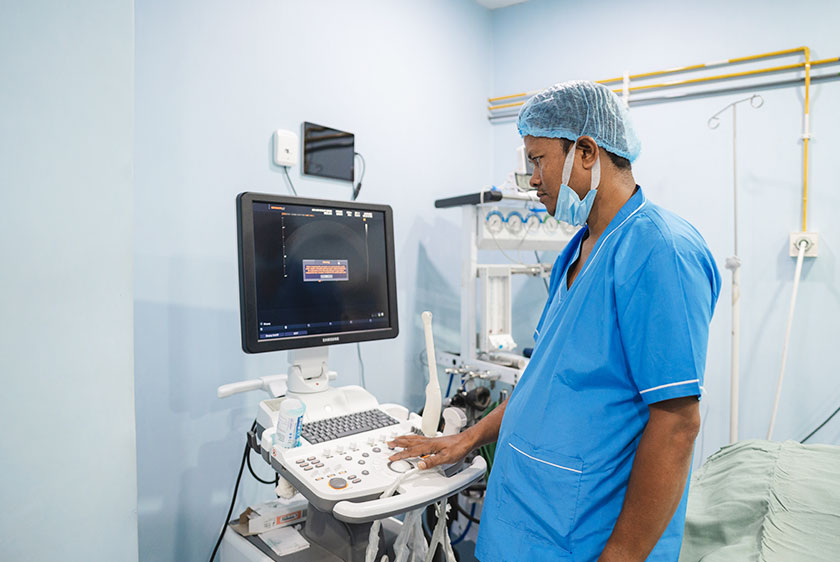
This is done through sonography or hormone testing, whichever is appropriate. This helps the fertility specialists understand how the ovaries are responding and when the eggs would be ready for retrieval.
Conventional IVF allows multiple sperm to be kept with an egg, whereas in ICSI, a single healthy sperm is injected into the egg.
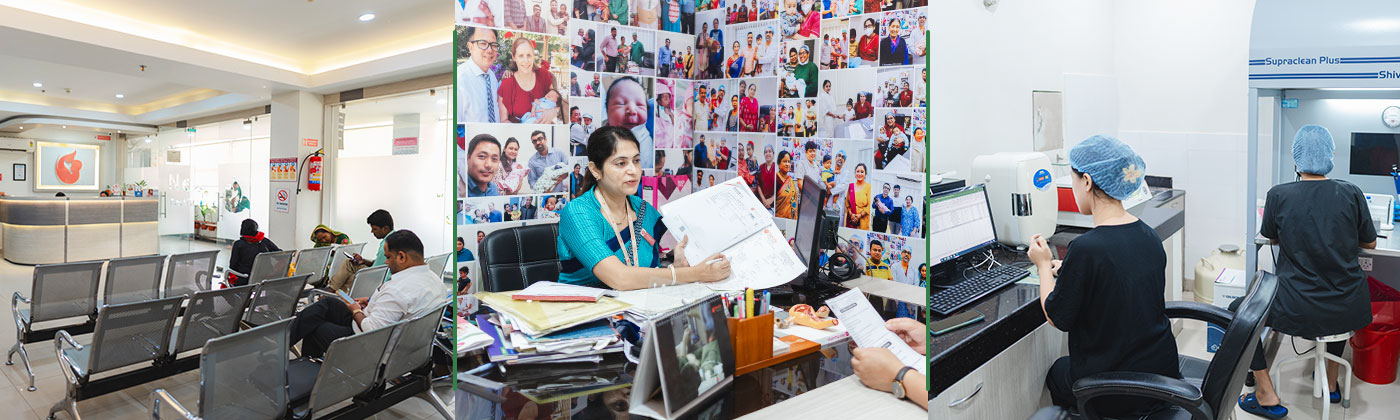
Patients should look for qualified fertility specialists, an experienced embryology team, IVF laboratory facilities, diagnostic support, personalized treatment planning, follow-up and counselling, and transparent communication. These factors are explained below -
Look for qualified fertility specialists who are experienced in managing various causes of fertility. An efficient specialist should evaluate both partners individually before prescribing IVF treatment and explain why that particular treatment is appropriate.
Embryologists handle eggs, sperm, fertilization, embryo culture, assessment, and freezing. Patients may ask about the experience of the embryology team and the laboratory practices followed by them.
A well-equipped IVF laboratory is important for fertility treatment. Patients should ask about embryo culture facilities, cryopreservation systems, laboratory quality control, and the process followed to maintain eggs and embryos in suitable conditions.
A trusted IVF centre in Siliguri should have access to proper fertility investigations. These might include ovarian reserve assessment, semen analysis, hormone testing, ultrasound evaluation, etc., recommended by the fertility specialist.
IVF is not a one-size-fits-all treatment. Thus, the IVF centre should consider the patient's age, sperm characteristics, ovarian reserve, previous IVF attempts, fertility diagnosis, and reproductive health.
IVF involves several appointments and emotionally stressful decisions. Individuals should look for an IVF centre that provides proper follow-ups and guidance when needed.