
According to CDC data (2020), women under the age of 35 have the highest IVF success rates at 55.1%; women between 35 and 37 also have a 40.5% IVF success rate; however, women between 38 and 40 have lower success rates at 26.4%; and those over 40 have the lowest success rate at 8.2%
According to the Mayo Clinic, IVF (in vitro fertilization) is an infertility treatment, which is a condition in which a couple is unable to have a baby after at least one year of trying. IVF can also be used to prevent genetic diseases from being passed on to the baby.
During IVF, mature eggs are retrieved from the ovaries and fertilized with sperm in a laboratory. These fertilized eggs are called embryos. Through a procedure, these embryos are placed inside the uterus, the part where the baby develops. One complete IVF cycle may take 2-3 weeks; however, at times it may also take longer.
IVF success rates depend on factors like age and egg quality, embryo and sperm quality, the underlying causes of infertility, uterine and endometrial factors, and the laboratory quality.
IVF success rate refers to the possibility that an IVF treatment will result in pregnancy in general and live birth in particular. For patients, the live birth rate matters most. The above factors are explained in detail below -
As age increases, the number and quality of eggs decrease. This is particularly concerning for patients who are planning to use their own eggs. Younger women have a higher probability of producing eggs that fertilize successfully and develop into embryos. Also, the possibility of an egg with chromosomal abnormalities tends to be higher in older women.
The level of development, the appearance, and the pace of progression of the embryo determine its suitability for transfer or implantation. These qualities are affected by egg quality, sperm quality, age, fertilization, etc.
A lab has to maintain precise conditions such as temperature, gas levels, humidity, air quality, etc. Even small changes in these conditions can seriously affect the laboratory conditions in which eggs, sperm, and embryos are handled.
Key parameters for sperm include sperm concentration ( number of sperm present in the semen sample), motility (how well the sperm moves), and morphology ( the size and shape of the sperm). Sperm quality is affected by age, medical conditions, lifestyle factors (smoking, excessive drinking), environmental exposures, and reproductive history. It also influences embryo development after fertilization.
In women: ovulation disorders, blocked or damaged fallopian tubes, decreased ovarian reserve, fibroids, and endometriosis can lead to an unsuccessful IVF. In men, low sperm concentration, reduced sperm motility, abnormal sperm morphology, and blockages affecting sperm production, etc., can affect IVF treatment.
In 2026, a study published in Human Reproduction researched IVF success rates in the US according to age. In patients using their own eggs, the first-cycle live births that were reported are -
| Age of Women | Live-Birth Rate | Cumulative Live-Birth |
|---|---|---|
| Under 35 | 64% | 74% after up to 3 cycles |
| 35-37 | 51% | 62% |
| 38-39 | 37% | 48% |
Also, for patients who were under 35 and had at least one blastocyst transfer, the first cycle live-birth rate was 73%. This study establishes a clear age-related decline while also showing that cumulative outcomes can get better with multiple treatment cycles.
In 2024, a study published in Human Reproduction analysed 60,000 IVF/ICSI cycles. It found that while female age was primarily associated with treatment outcomes, male age may also contribute to the outcome in some cases. The outcomes were as follows -
| Age of Women | Live- Birth |
|---|---|
| Less than 35 | 52.5% |
| 35-39 | 38.8% |
| 40-44 | 8.7% |
In 2025, a study published in BMJ studied 838 women. These women had a low prognosis for IVF. The study was defined by factors such as retrieving nine or fewer oocytes or having poor ovarian reserve. It showed that fresh embryo transfer resulted in a higher live-birth rate than frozen embryos.
| Outcomes | Fresh Embryo | Frozen Embryo |
|---|---|---|
| Live-Birth | 40% | 32% |
| Clinical Pregnancy | 47% | 39% |
| Cumulative Live Birth Rate | 51% | 44% |
However, for women with PCOS (Polycystic Ovarian Syndrome), the results were opposite. PCOS is a condition that affects hormones in women, leading to irregular menstrual periods, excessive hair growth, acne, and infertility. The study was published in the New England Journal of Medicine in 2016. After the first transfer, the live birth rate in frozen embryos was higher than in fresh embryos.
| Outcome | Fresh Embryos | Frozen Embryos |
|---|---|---|
| Live-Birth | 42.0% | 49.3% |
| Pregnancy Loss | 32.7% | 22% |
| Preeclampsia | 1.4% | 4.4% |
Preeclampsia is a condition of high blood pressure in women during pregnancy, usually after the 20th week.
In 2026, a study published by Henan Provincial People's Hospital analyzed 5,725 fresh IVF/ICSI cycles. It involved high-quality cleavage-stage embryos. The study found that transferring two good-quality embryos resulted in a higher live-birth rate than transferring a single embryo. However, in double embryo transfer, the risk of multiple pregnancies was significantly higher.
| Outcomes | Single Embryo | Double Embryo |
|---|---|---|
| Live-Birth | 43.48% | 58.77% |
| Clinical Pregnancy | 52.21% | 69.76% |
| Multiple Pregnancy | 0.8% | 35.63% |
| Preterm Birth | 7.31% | 23.70% |
Note: Preterm birth refers to the birth of a baby before 37 weeks of pregnancy. The findings show that IVF success should be considered along with safe pregnancy.
IVF success rates can be improved by identifying the underlying factors that affect the outcome and then treating them. These factors include ovarian reserve, sperm quality, uterine conditions, embryo quality, etc. These and some additional factors are covered in detail below.
Ovarian reserve refers to the quantity of eggs in the ovaries. It helps the fertility specialist get an idea as to how the ovaries might respond to the stimulation. However, it does not measure egg quality. A patient with a good ovarian reserve might face difficulty getting pregnant, while someone with diminished ovarian reserve may achieve a successful pregnancy.
Both embryo and sperm quality must be evaluated. If sperm abnormalities are present, the fertility team may investigate the underlying causes and decide whether a specialized fertilization technique like ICSI can be opted for. Similarly, a good-quality embryo needs to be selected. This is usually done at the blastocyst stage. In case embryo abnormalities are found, the fertility team, with the consent of the couple, may go for an egg donor.
Before implantation of the embryo, the doctor may investigate the uterus for conditions like uterine fibroids, endometrial polyps, adhesions, adenomyosis, etc. The doctor may decide to treat them or leave them because not every condition needs to be treated.
A previous failed IVF cycle can reveal vital information for planning future treatment. The fertility team can determine which path to follow for the next cycle.
The risks associated with IVF include Ovarian Hyperstimulation Syndrome (OHSS), multiple pregnancies, ectopic pregnancy, ovarian torsion, side effects from medications, etc. Generally, IVF is considered a safe treatment option; however, unlike any other medical treatment, it has the following risks associated with it -

During ovarian stimulation, sometimes the ovaries can respond too strongly. This produces symptoms like abdominal discomfort, nausea, bloating, and fluid retention. Mostly, it is mild; however, severe OHSS may require medical intervention.

Transferring two or more embryos can increase the chances of twins or higher-order multiple pregnancies. Multiple pregnancies are risky as they can lead to preterm births and pregnancy related complications. Thus, doctors generally go for single embryo transfer.
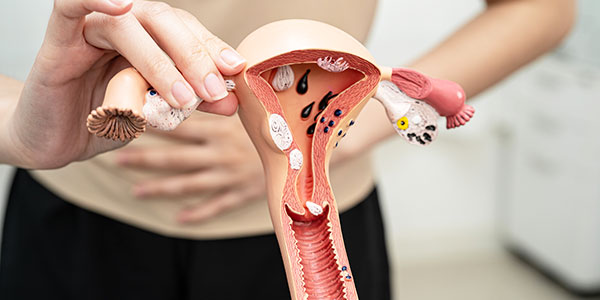
Sometimes, the embryo implants outside the uterus cavity, mostly in the fallopian tube. If the fallopian tube ruptures, it can become life-threatening due to excessive bleeding or infection. Ectopic pregnancies need to be treated as soon as possible.
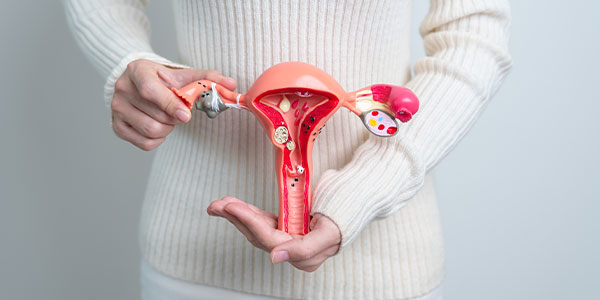
There is temporary enlargement of the ovaries after ovarian stimulation. Rarely, an enlarged ovary can coil around the tissues supporting it. This is called ovarian torsion. It causes severe abdominal or pelvic pain and requires quick medical assessment.

IVF includes hormone medications that cause temporary discomfort like mood changes, breast tenderness, bloating, discomfort at injection sites, etc.