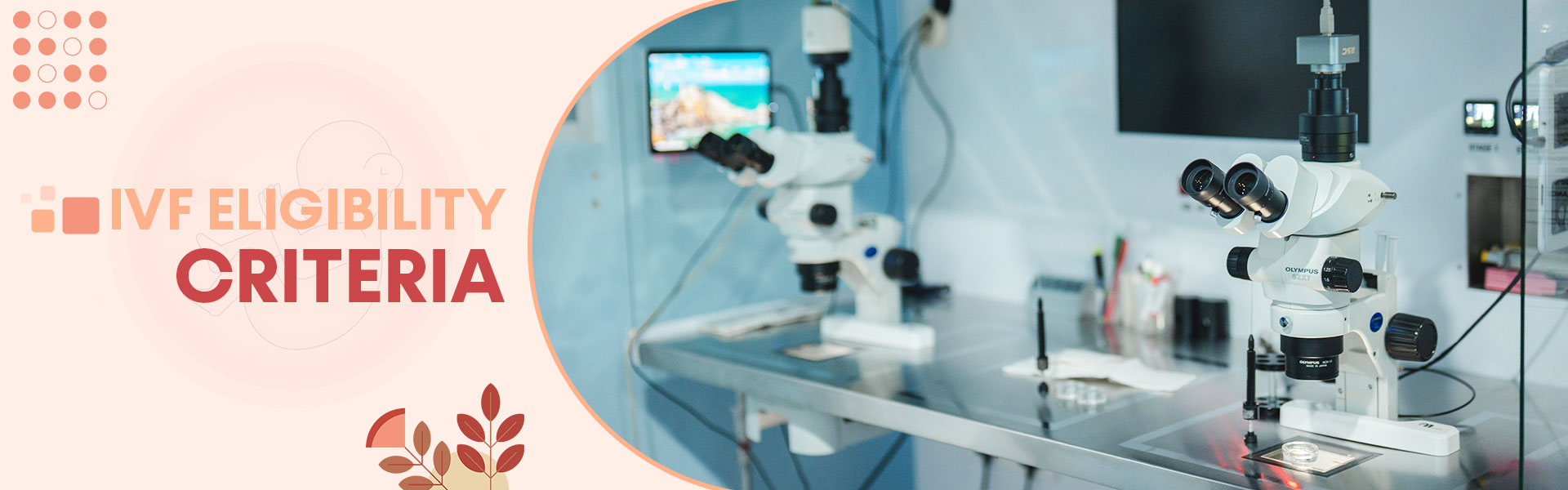
In Vitro Fertilization (IVF) is one of the most commonly sought-after fertility treatments in today's world. However, not every couple experiencing difficulty conceiving is eligible for IVF. Therefore, the key is to know about IVF eligibility so that you can make informed decisions, manage expectations, and save valuable time and resources. IVF is an assisted reproductive technology (ART) that mixes egg and sperm in a specialized laboratory setting to create an embryo, which is then transferred to the uterus to achieve pregnancy.
Both male- and female-factor infertility can make IVF an ideal option to achieve the dream of parenthood. Factors such as blocked fallopian tubes, advanced maternal age, and low sperm count are the most common reasons that make an individual eligible for IVF treatment. For an expert explanation on this, you can watch the following video by Dr. Shefali Madhav (IVF Specialist - Newlife Fertility Centre, Siliguri):
Knowing what makes you ideal for IVF is crucial because it helps you set realistic expectations and increases your chances of taking home a healthy baby. Additionally, it can prevent you from spending money on treatments that may not work for your specific infertility condition. Here are some of the most common conditions that make you ideal for IVF:
You are unable to conceive after 12 months of regular, unprotected intercourse. If the female partner is aged 35 years and above, the timeline is 6 months.
The sperm travels through the fallopian tubes to fertilize the eggs naturally. Blockage or damage to these tubes requires external assistance for fertilization.
Polycystic Metabolic Ovarian Syndrome (PMOS), formerly known as PCOS, can cause irregular periods, lack of ovulation, and uterine lining changes.
Low Anti-Müllerian Hormone (AMH) means that the female partner has low egg cells in the ovarian reserve. Although low AMH does not guarantee pregnancy failure, IVF can be considered to maximize the harvest of the remaining viable eggs.
Some of the common male-factor infertility issues are low sperm count, poor sperm movement, and abnormal sperm shape.
Either partner is carrying hereditary disorders or has experienced recurrent pregnancy loss.
Before you decide to go for an IVF consultation, having the common eligibility boxes ticked can help you save valuable time and approach. Additionally, such a checklist can ensure a smooth initial consultation and accurate treatment planning. Here is an eligibility criteria checklist for you:
| Eligibility Category | Criteria |
|---|---|
| Female Age Limit | 21 to 50 years |
| Male Age Limit | 21 to 55 years |
| Ovarian Reserve | AMH > 1.0 ng/mL & optimal Antral Follicle Count |
| Structural Health | Healthy and Receptive Uterine Cavity |
| Male Fertility | Sperm Count and Motility need evaluation |
| Genetic Factors | Advanced Screening for Hereditary Disorders and Recurrent Miscarriages |
| Overall Fitness | Clear of Active Infections |
Although IVF has a high success rate, certain clinical, legal, and safety factors can make an individual ineligible for this treatment. By knowing the factors that make you ineligible for IVF, you can save time and money by not planning for a procedure that is not fit for you. Instead, you can focus on alternative family-building plans at an earlier stage. Some of the most prominent factors that make you ineligible for IVF are:
Estimate Your Chances of Pregnancy Through IVF
Get a personalized estimate based on age, medical factors, and treatment history.
Once you meet the IVF eligibility criteria, your primary next step is to optimize your physical and reproductive health. Prioritizing your well-being at this stage significantly enhances your chances of a successful IVF cycle. Some of the most effective tips to improve your IVF success chances are:
You need to add lean proteins, whole grains, avocados, olive oil, and fresh vegetables to reduce systemic inflammation.
Maintaining a healthy body weight helps regulate insulin and estrogen levels, along with lowering anesthesia risks during egg retrieval.
Sleeping for atleast 7 to 8 hours per day maximizes natural melatonin production, which helps in follicle development. Additionally, practicing yoga or seeking mental health counseling can help reduce mental stress.
Quit smoking and drinking alcohol because these habits hamper live-birth chances as well as sperm count. It is also highly recommended to limit caffeine intake to under 200 mg.
Despite IVF being considered a highly safe procedure when performed at a trusted IVF centre near you, there are some physical, emotional, and clinical risks involved. Knowing the potential risks can help you and the specialist doctor take proactive safety measures. Some of the potential risks of IVF are:
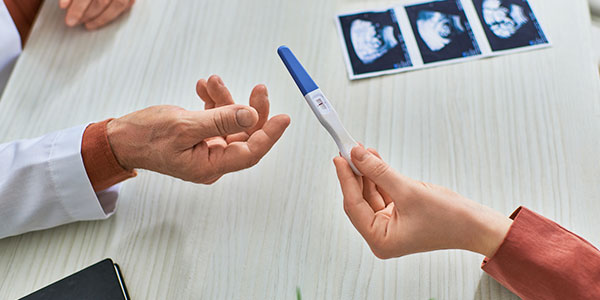
This condition can occur due to hormonal injections administered for egg stimulation. Advanced IVF centres in Siliguri, such as Newlife Fertility Centre use agonist triggers and elective freeze-all cycles to prevent OHSS in high-risk patients.
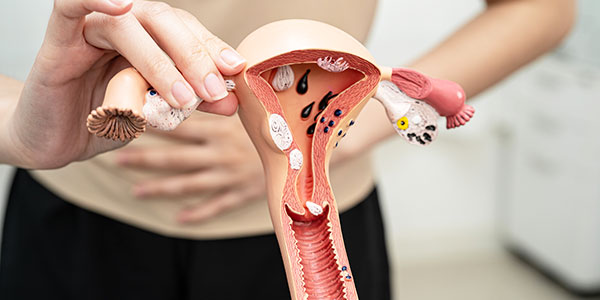
This occurs in rare cases where the transferred embryo can migrate into the fallopian tube. Women with a history of damaged or diseased fallopian tubes are vulnerable to this risk of ectopic pregnancy.
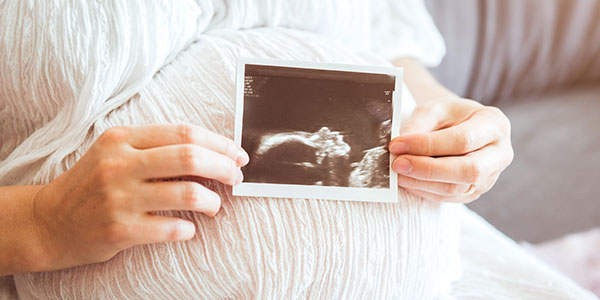
This can occur when more than one embryo is transferred into the uterus. Multiple pregnancies increase the probability of gestational diabetes and high blood pressure (preeclampsia).
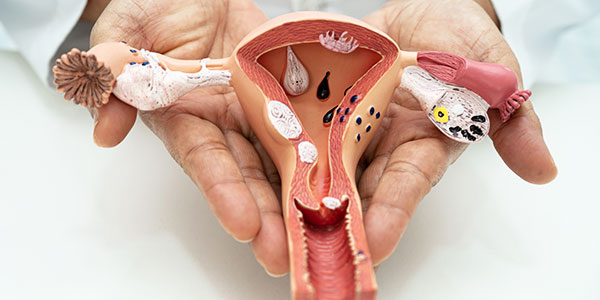
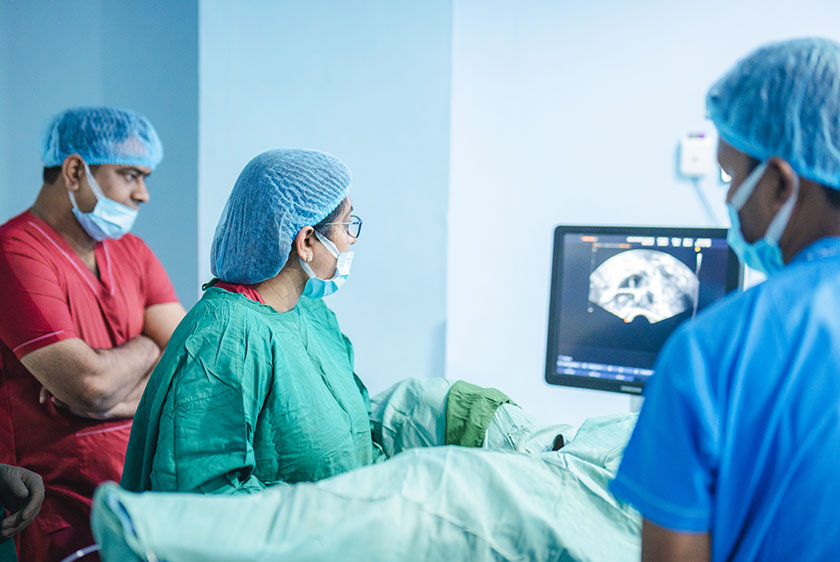
During egg retrieval, the use of an ultrasound-guided needle carries a very small risk of pelvic infection or bleeding. However, top IVF specialists use strict sterile conditions and advanced imaging to avoid surrounding organs.

Daily injections, clinic scans, financial pressures, and anxiety about results can cause severe emotional strain and depression.